
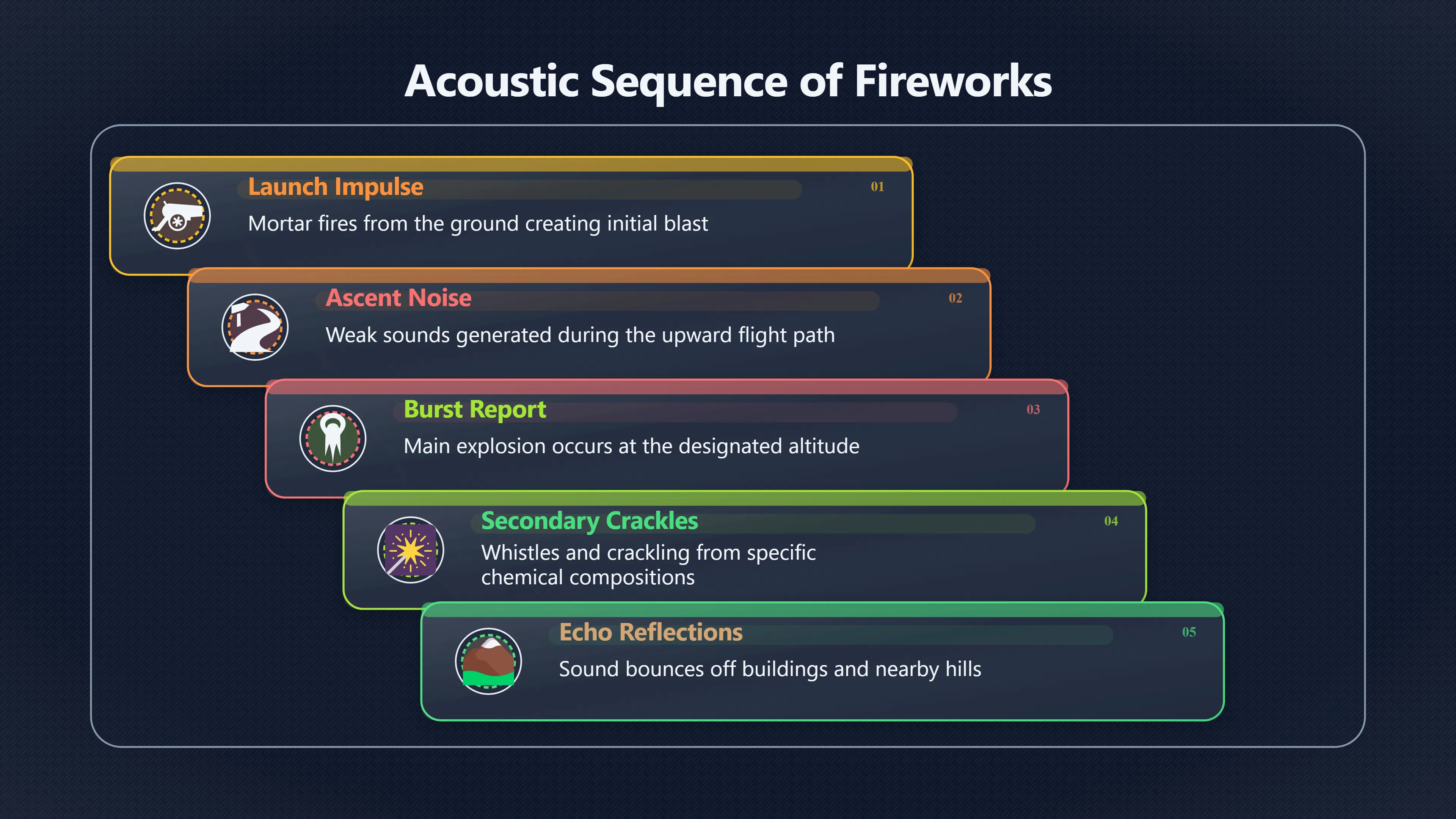
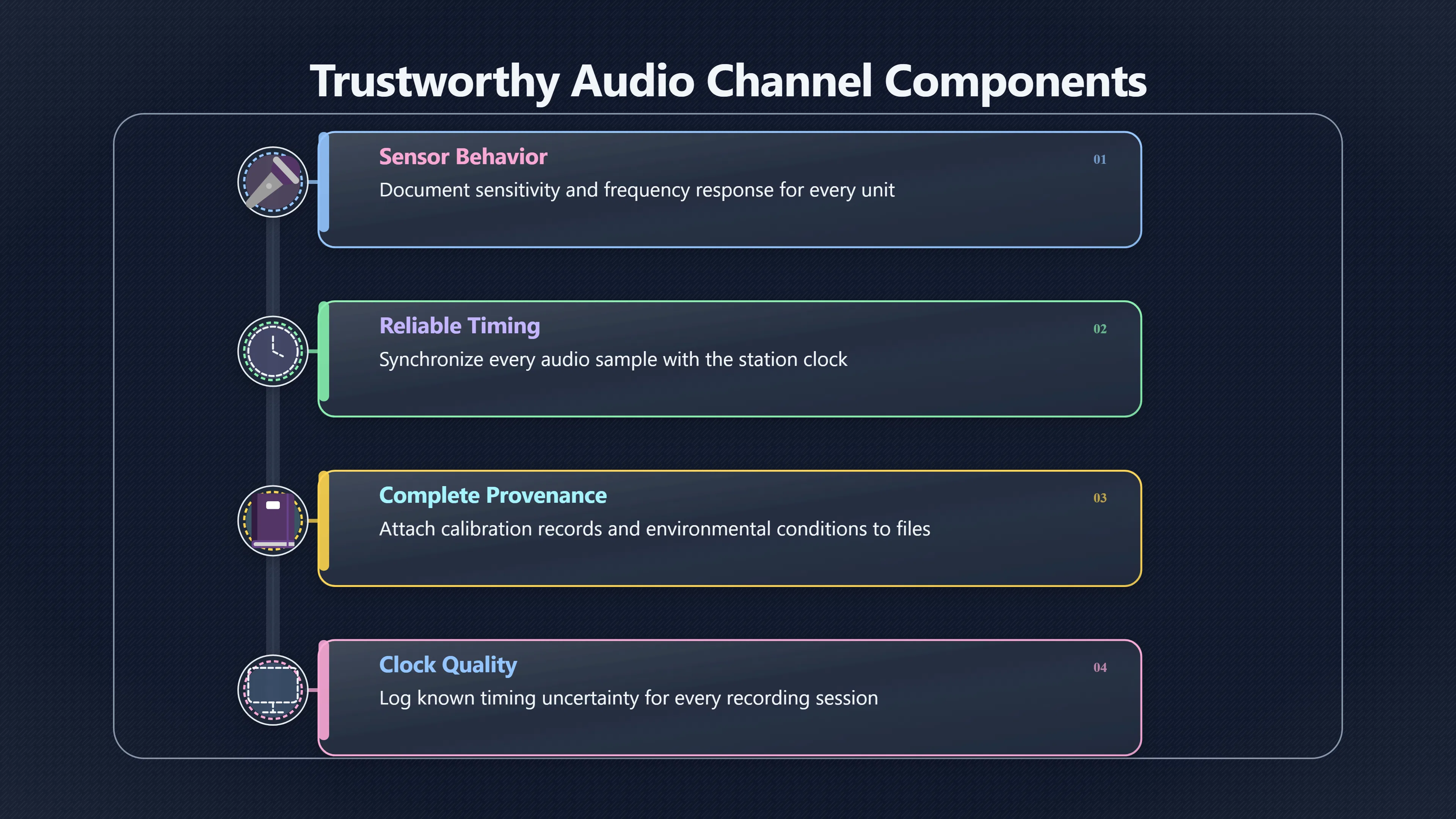
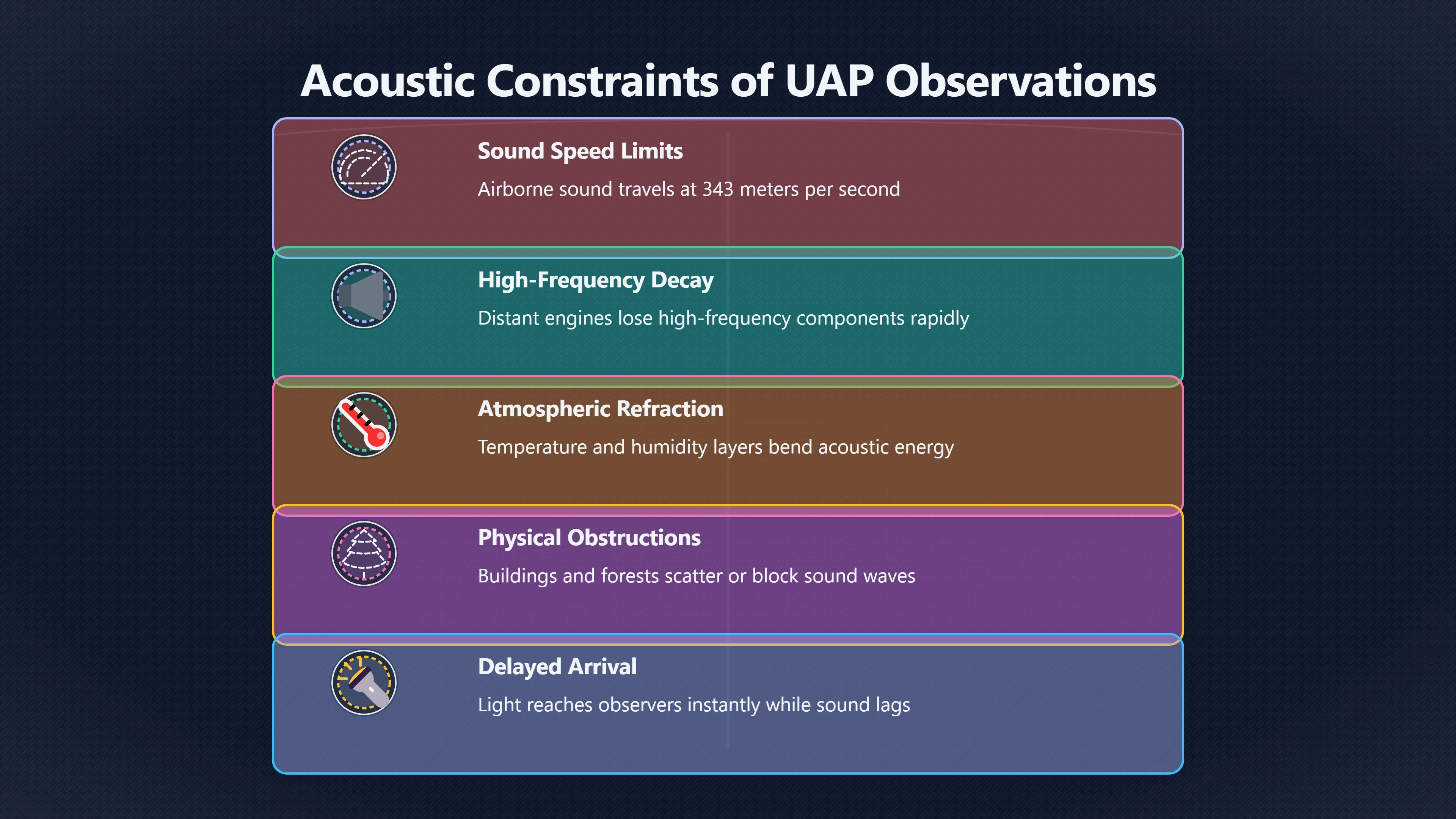
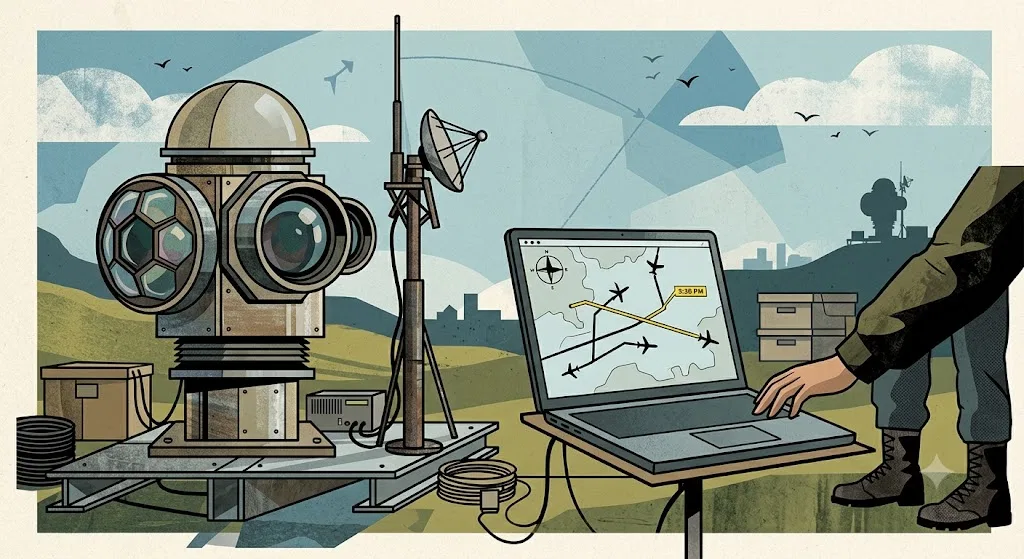
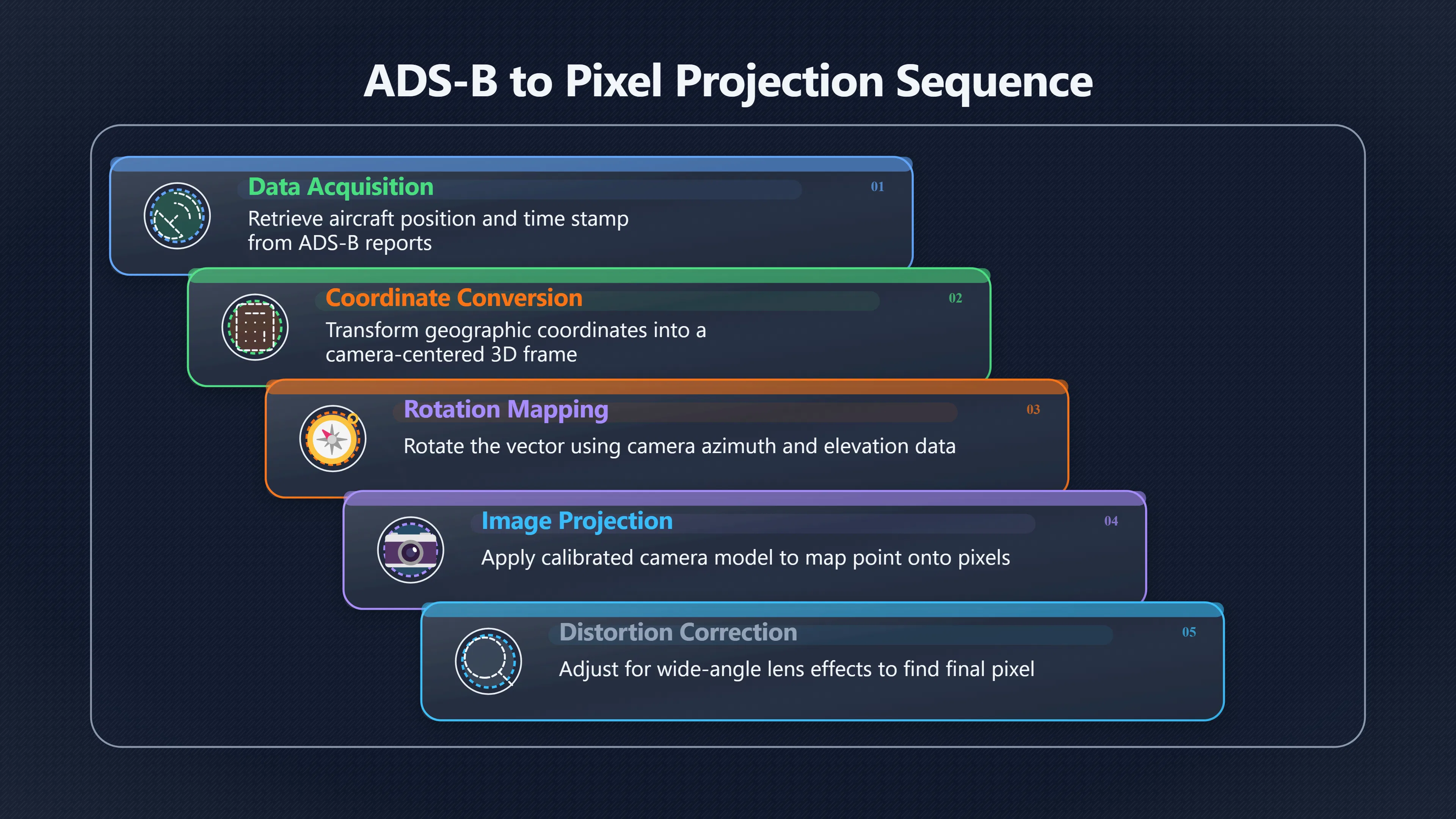
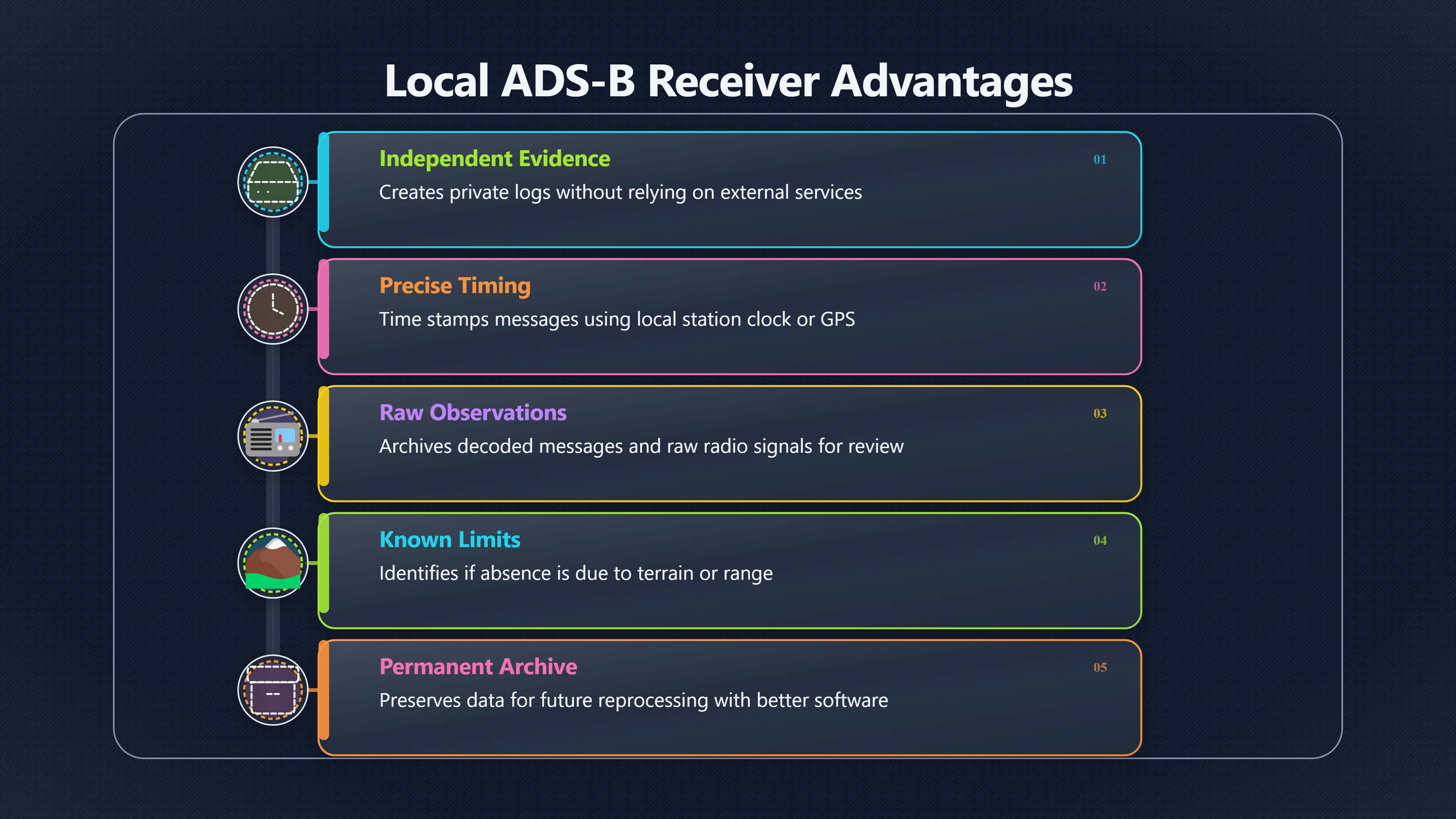
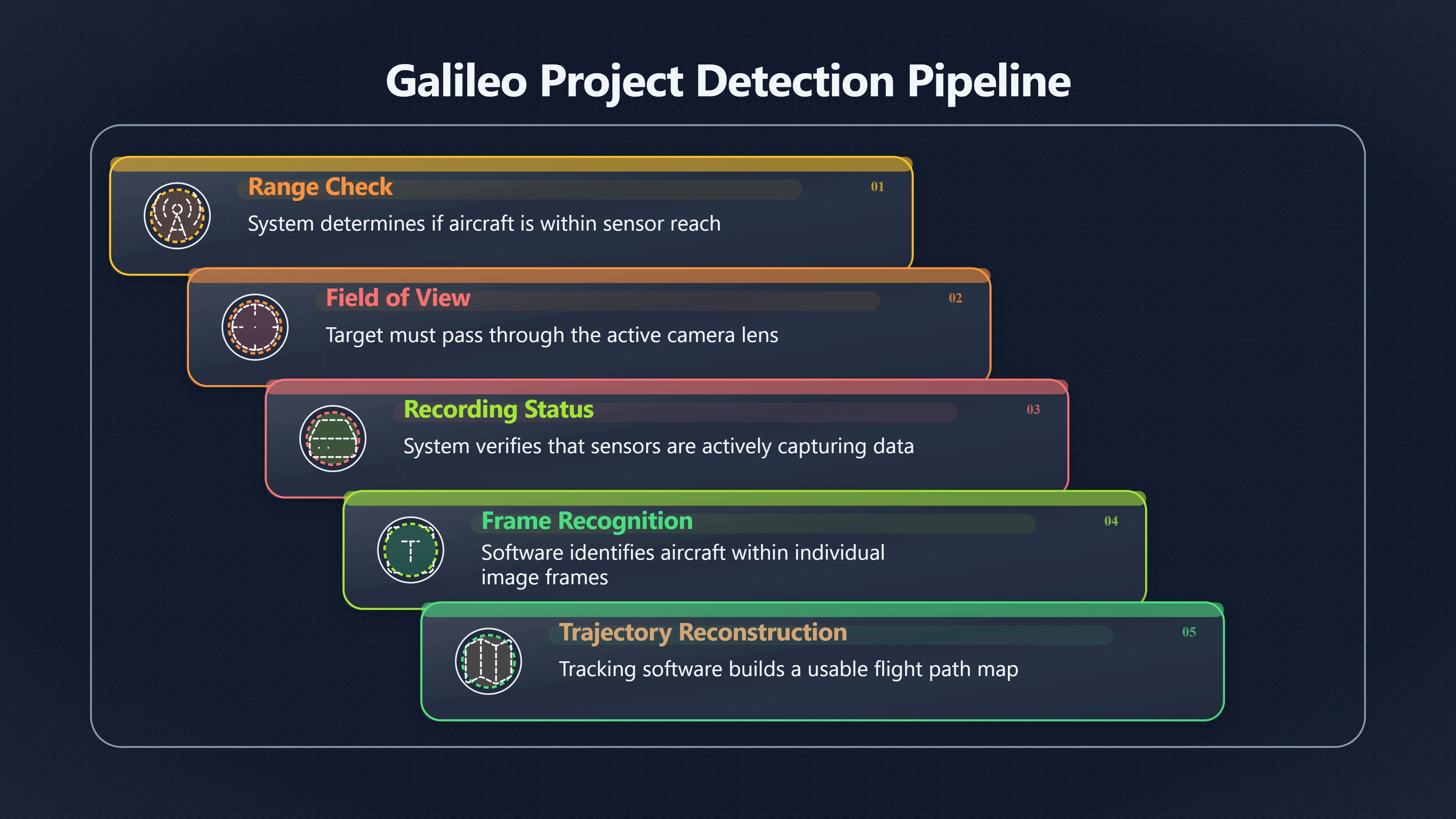
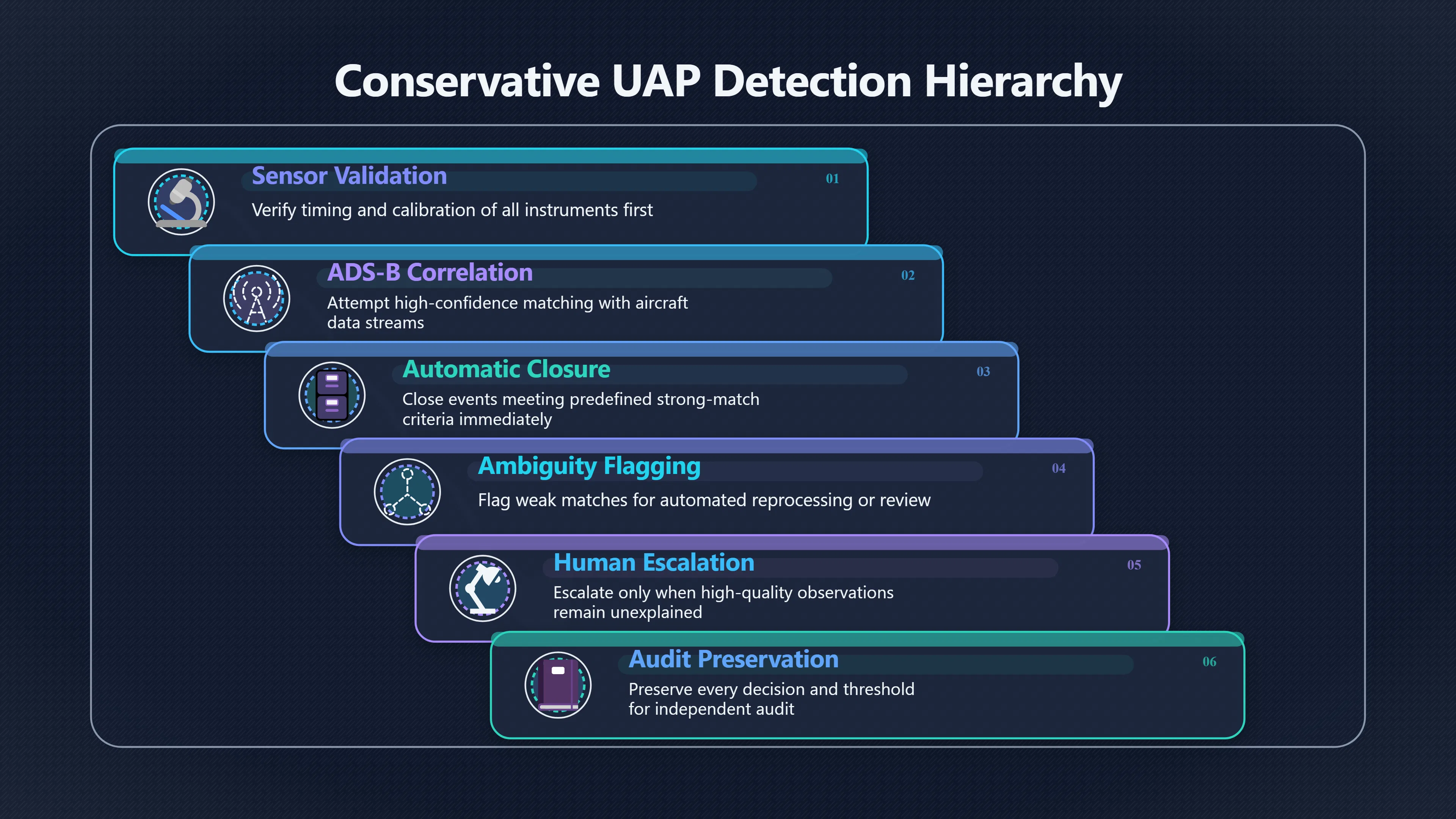
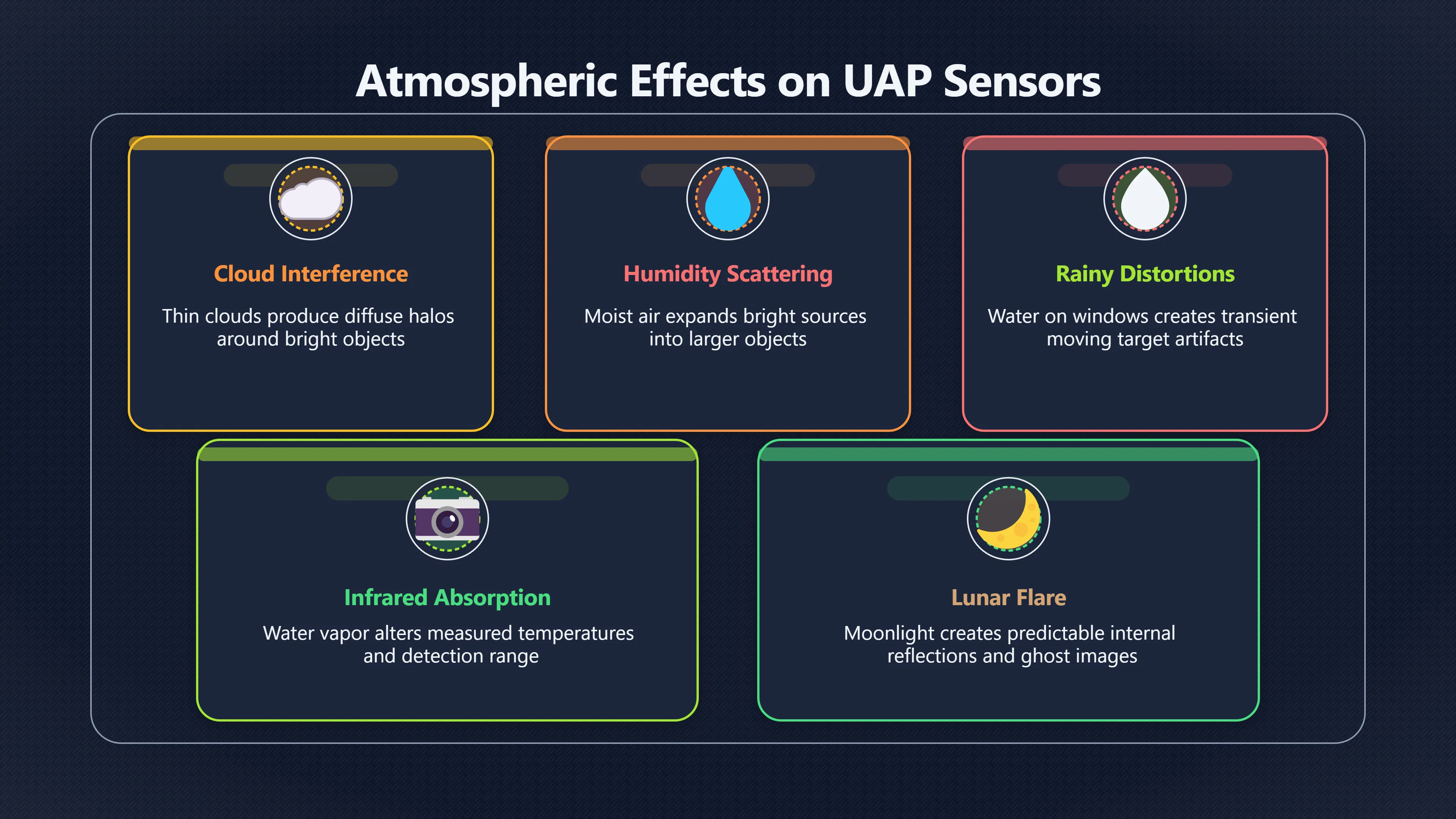
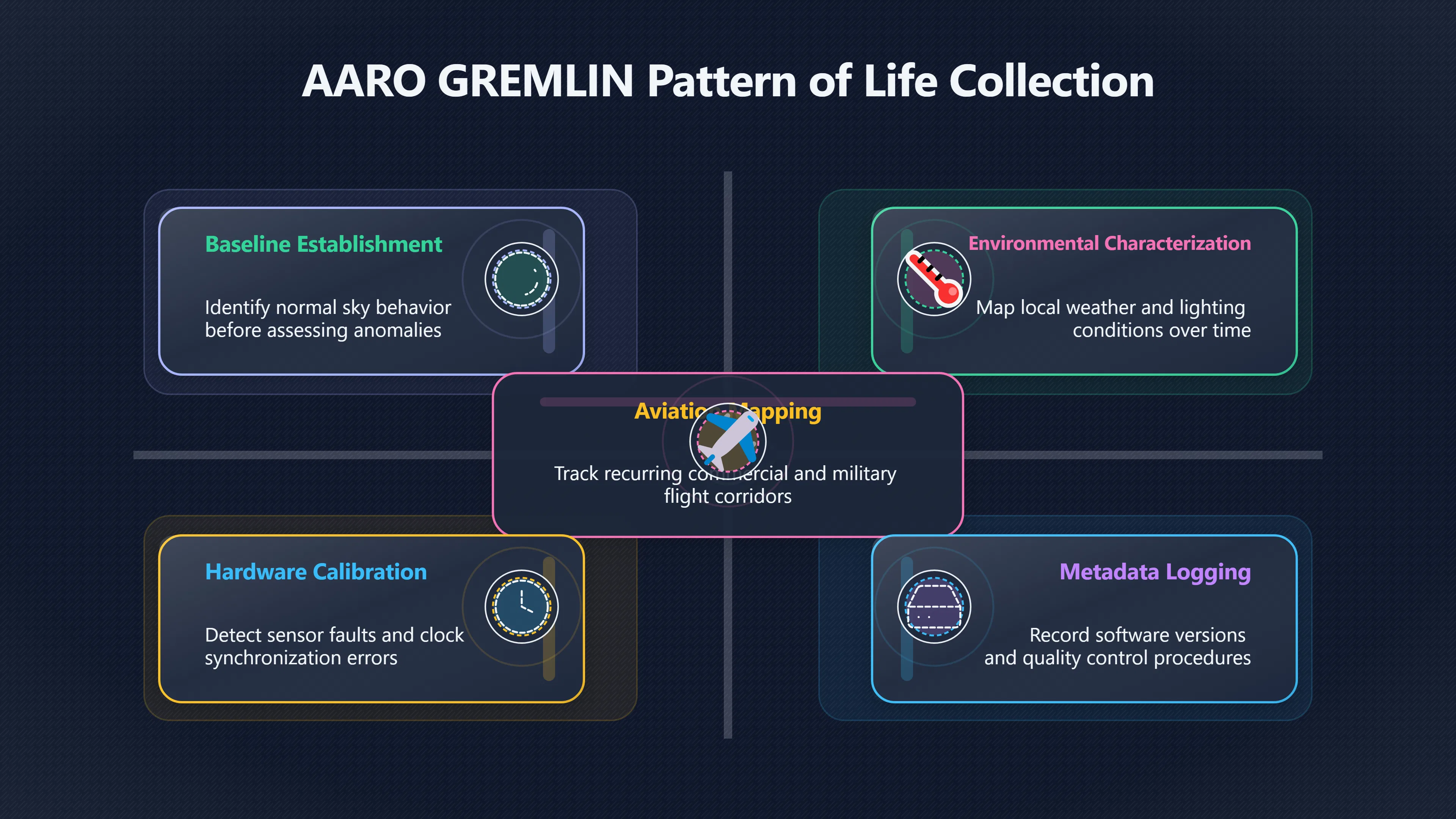
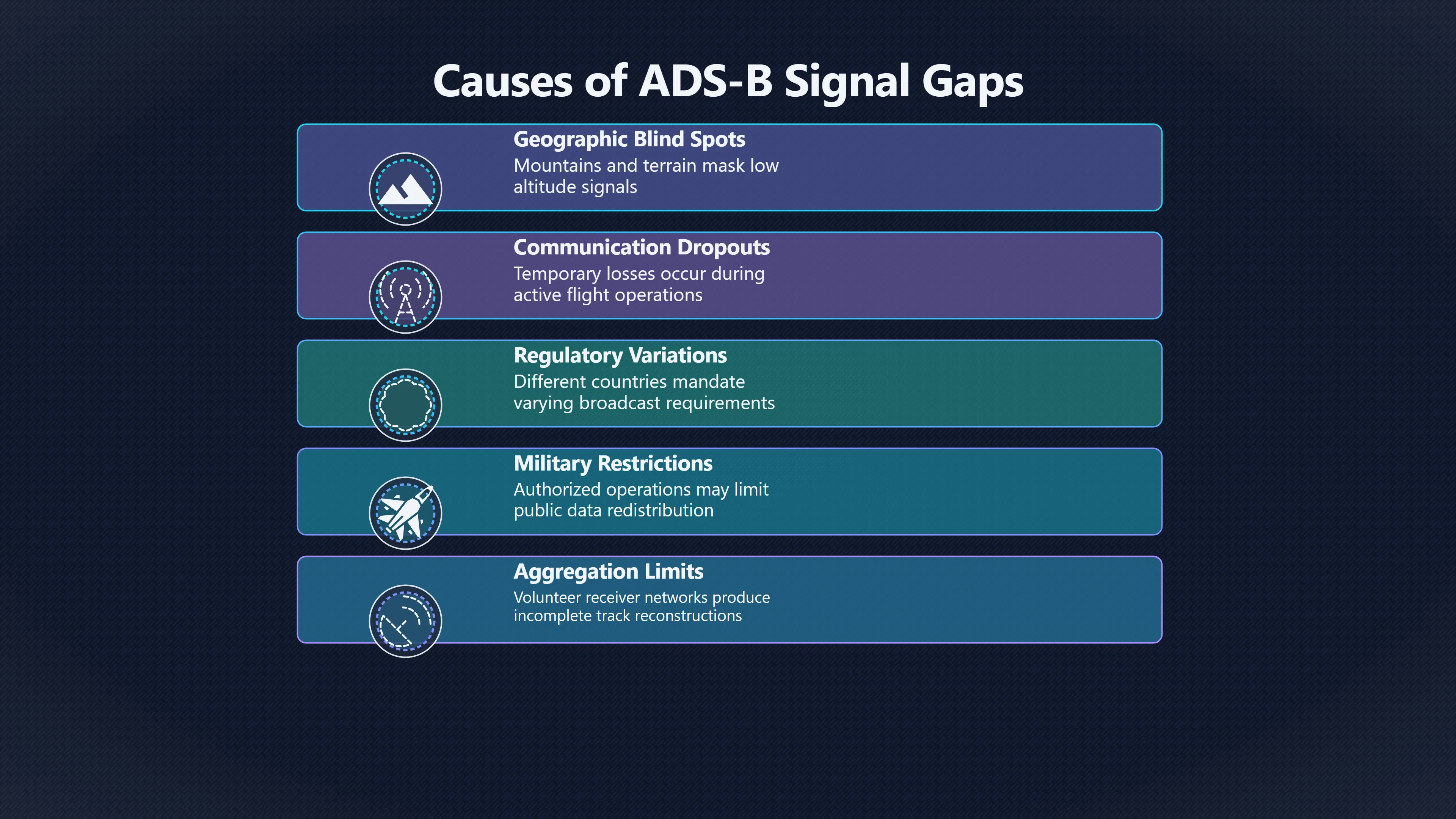
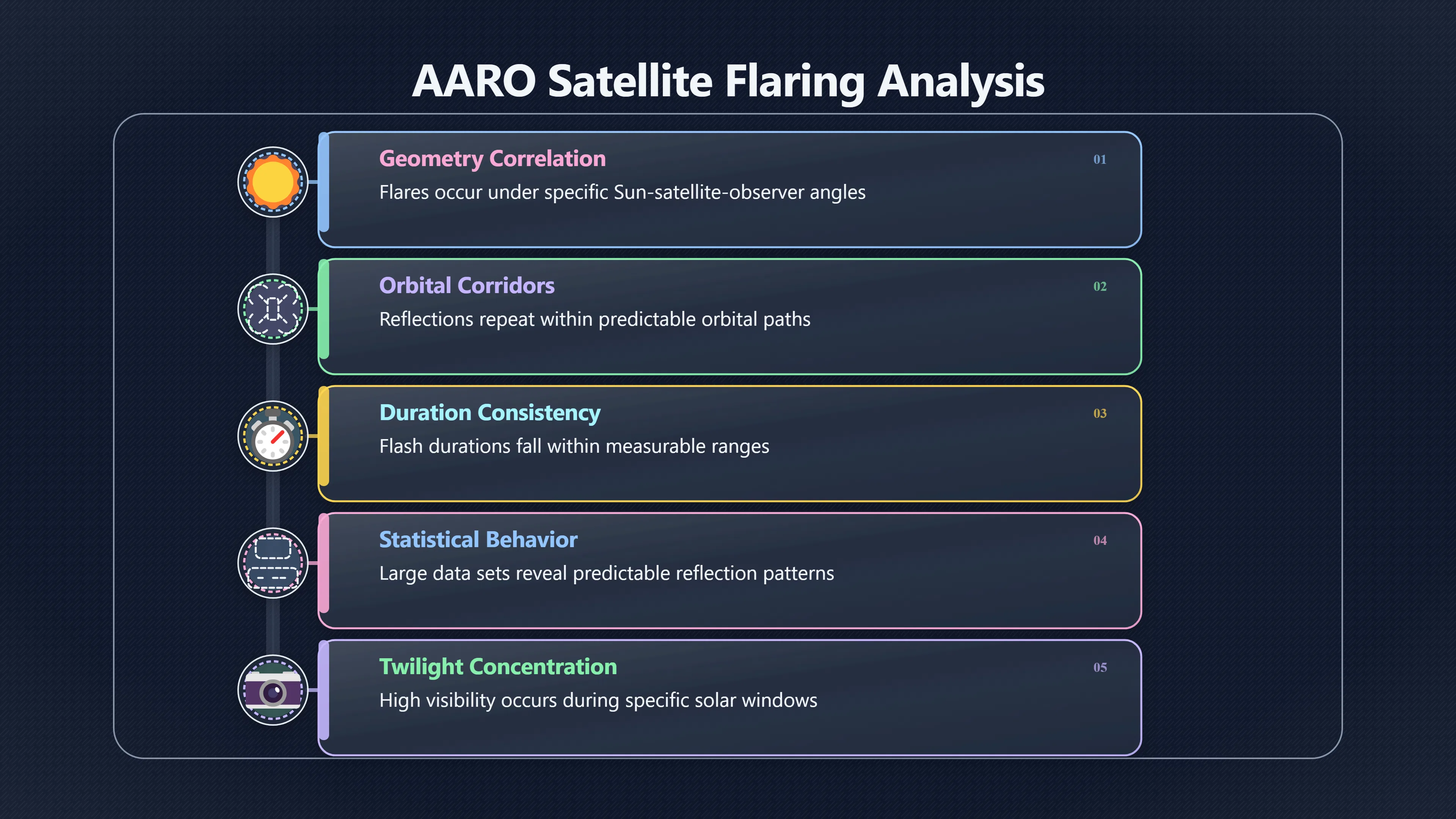


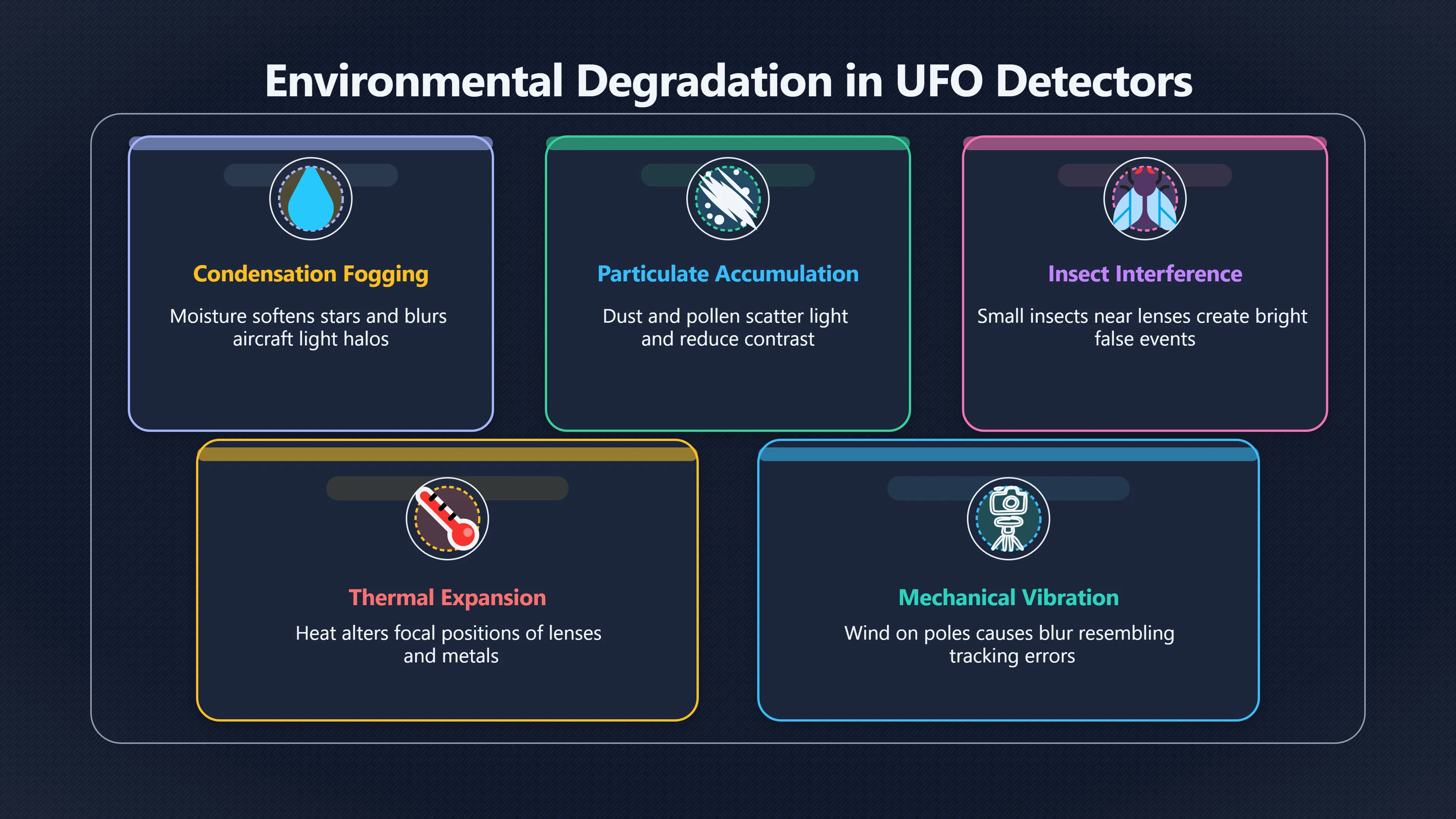
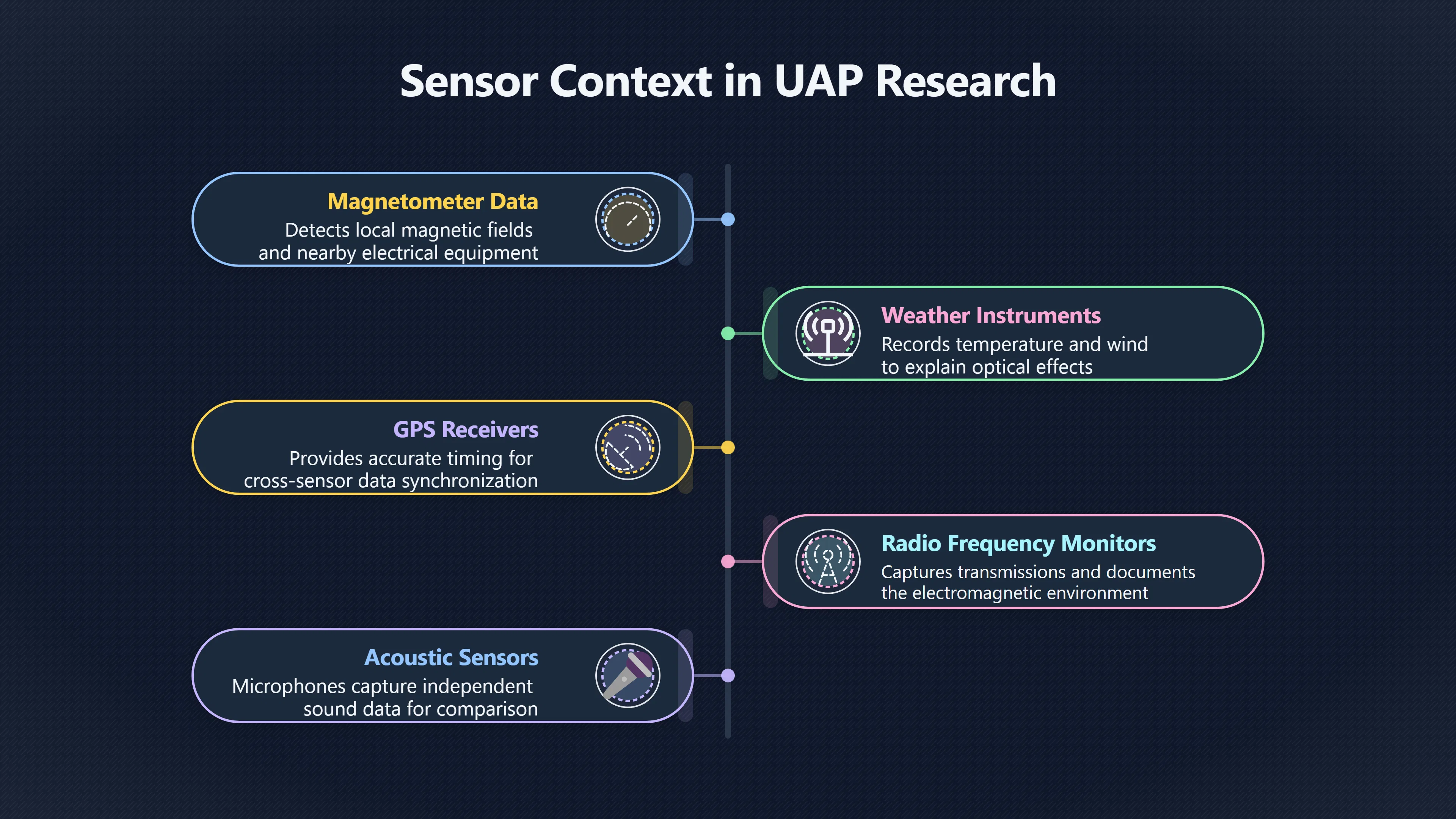
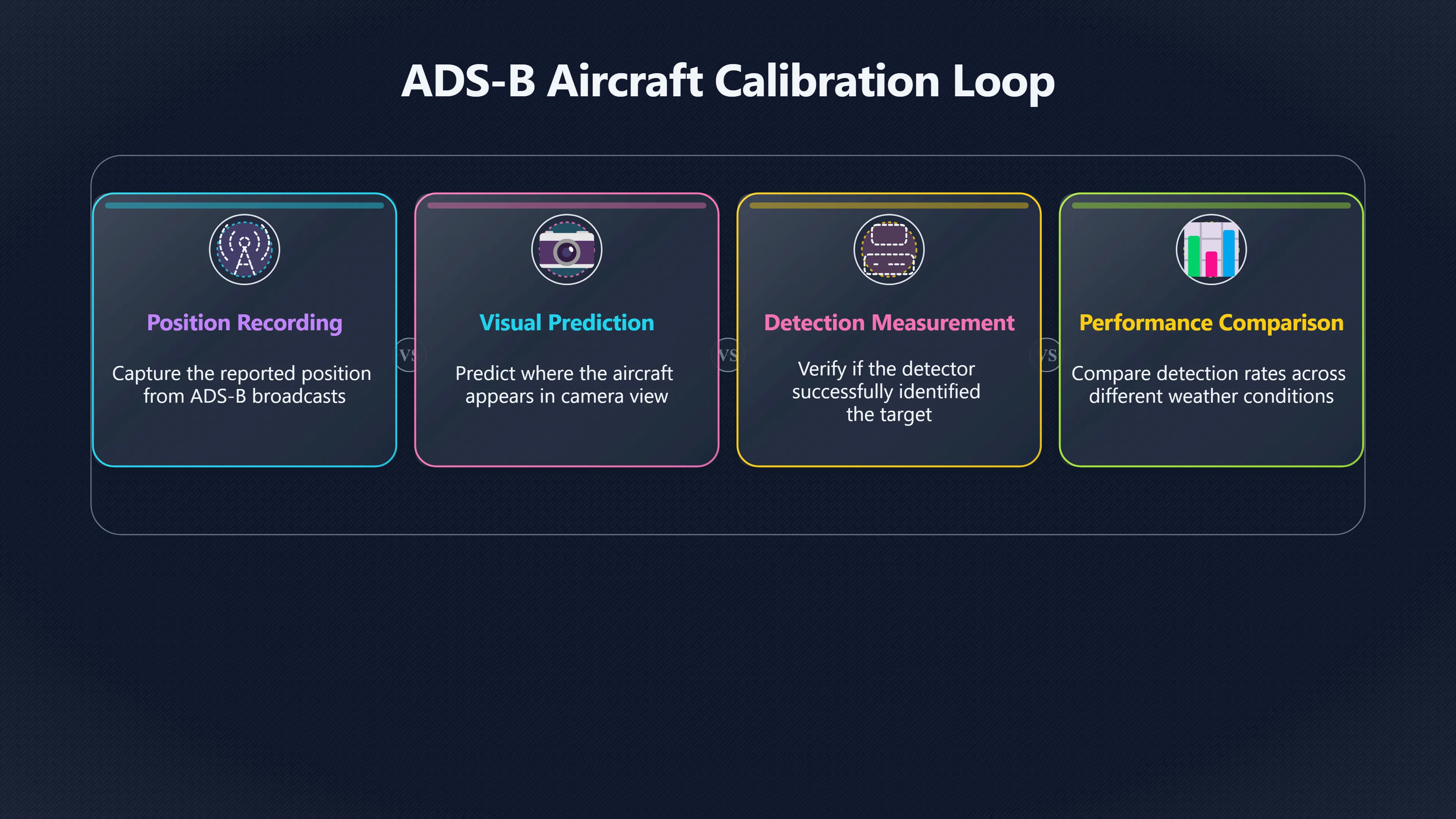
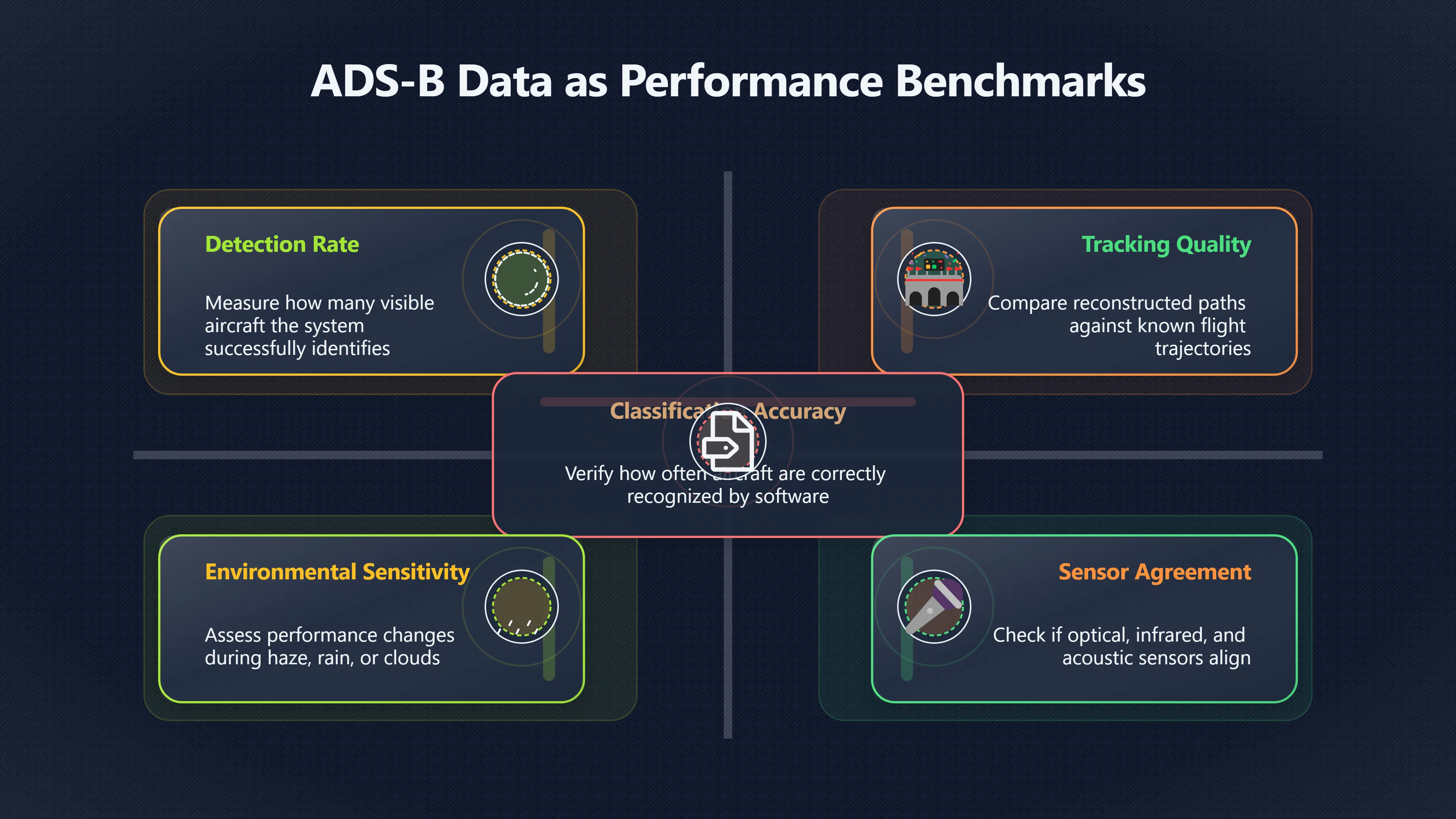
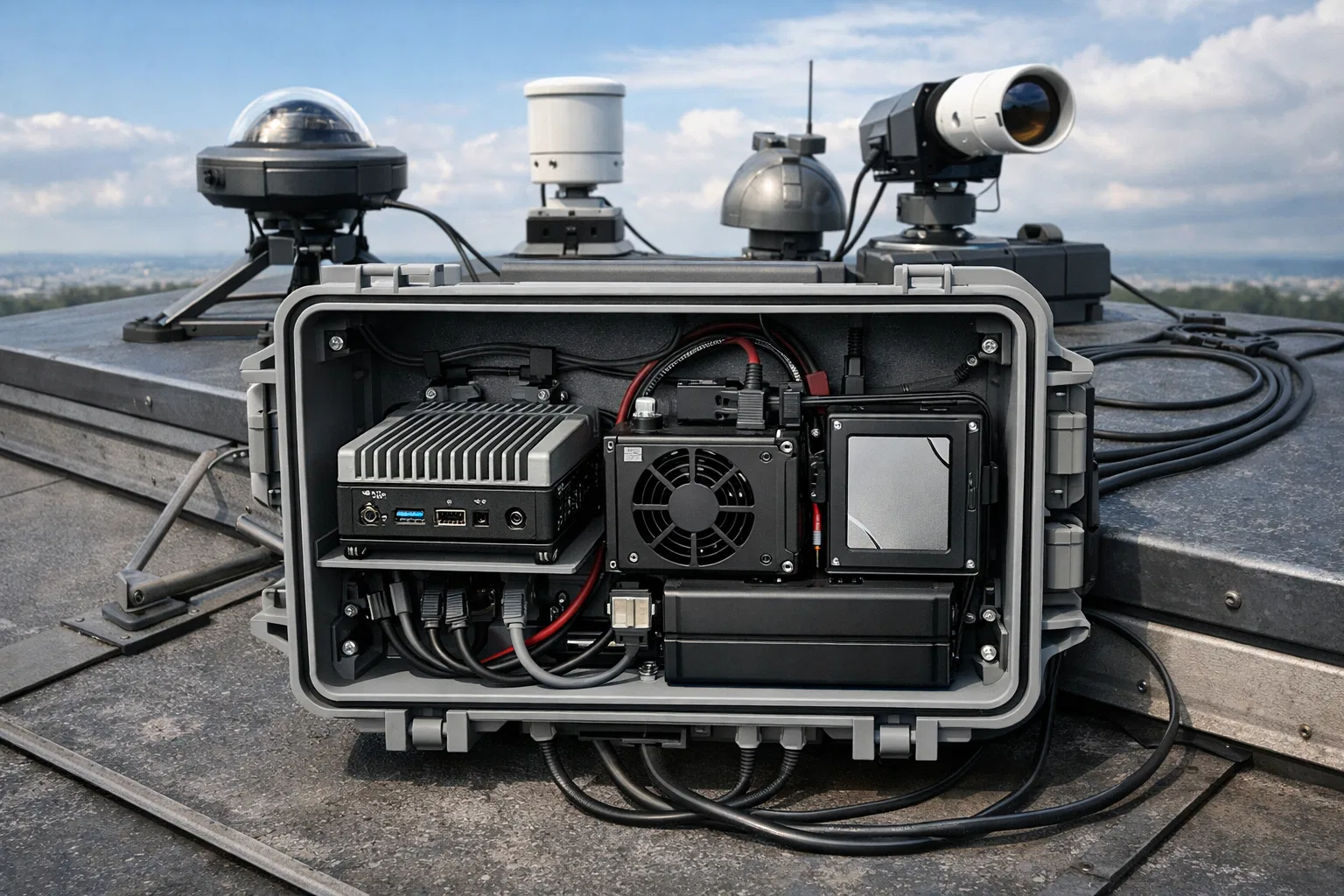
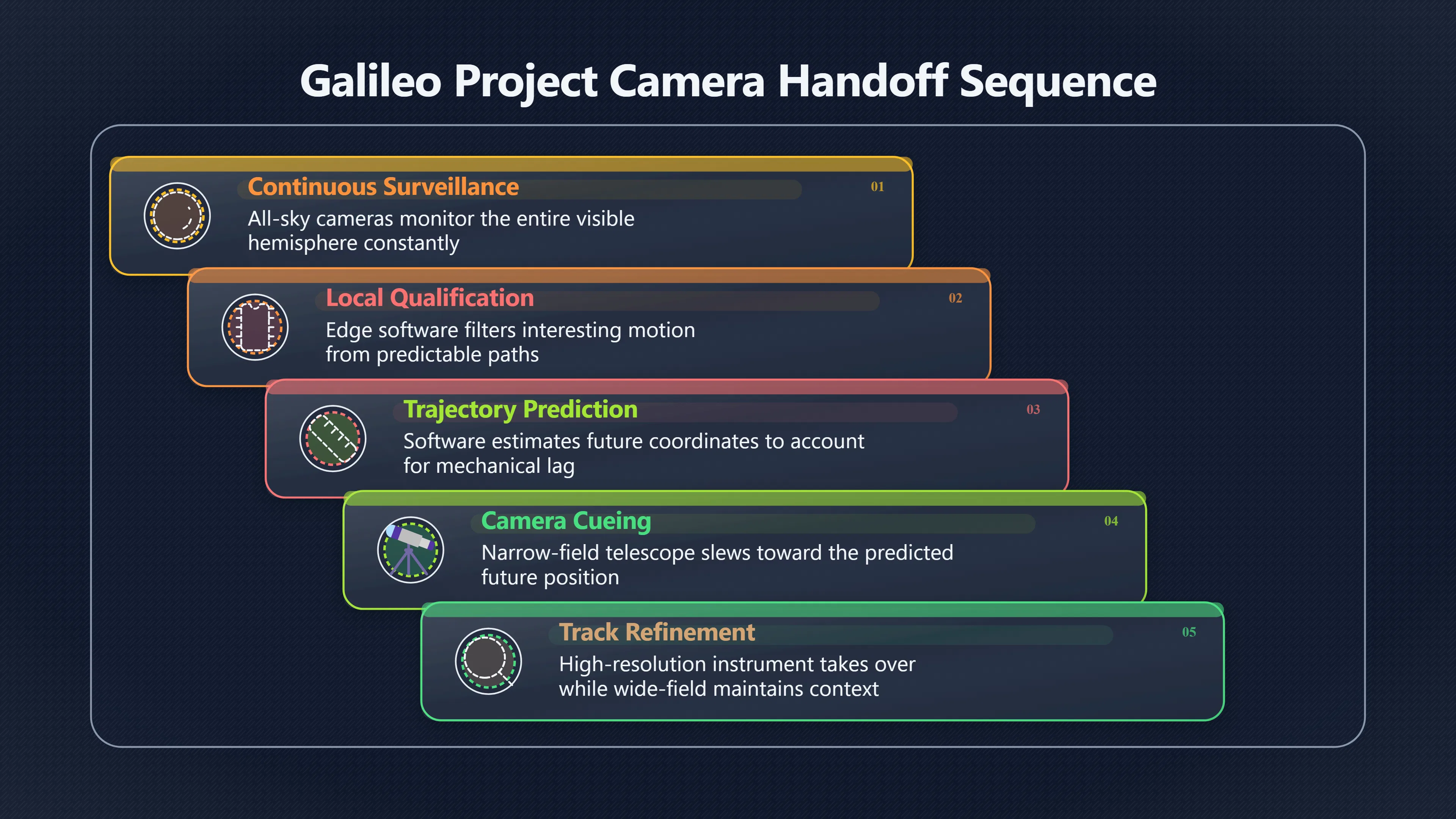
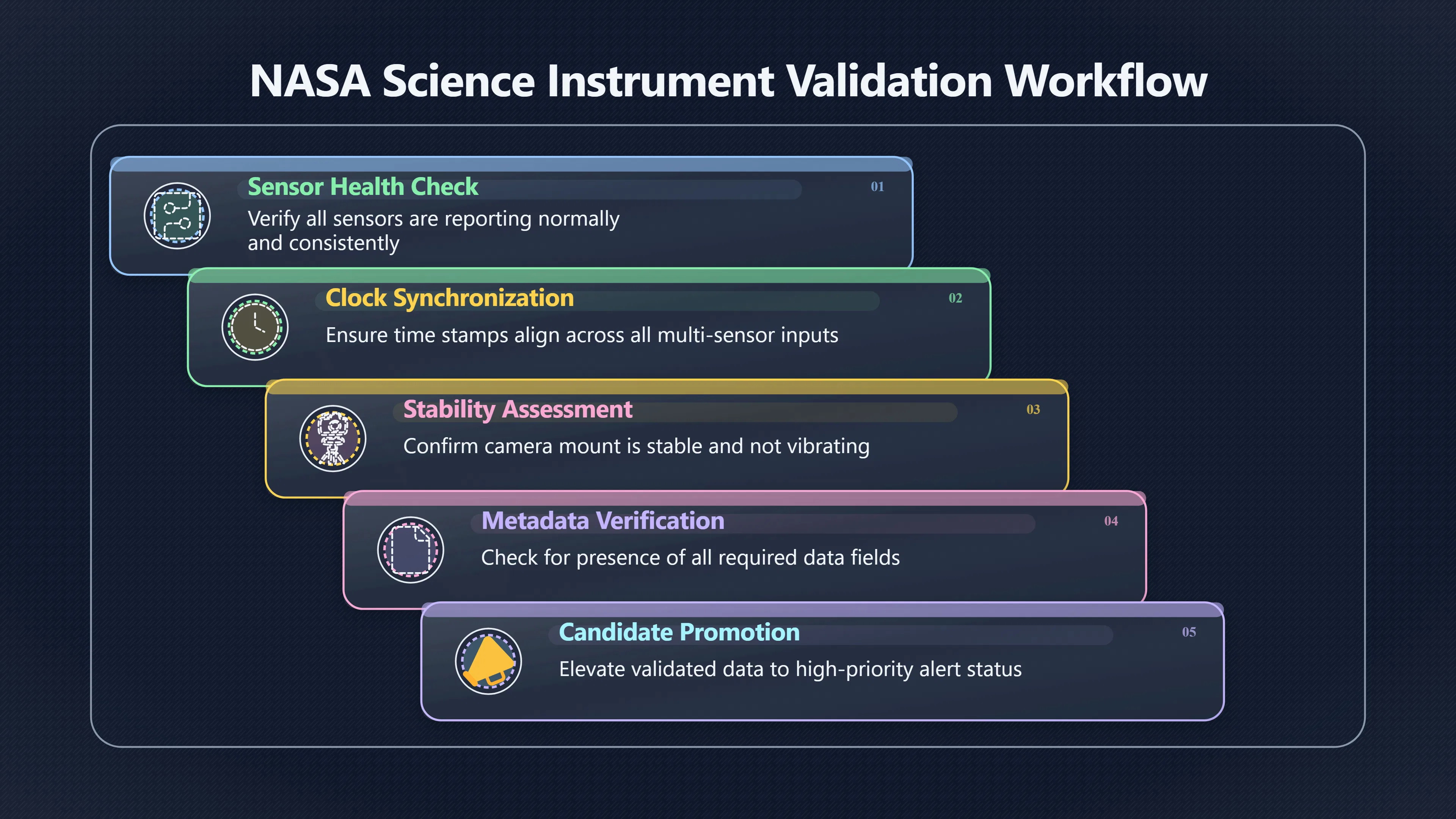
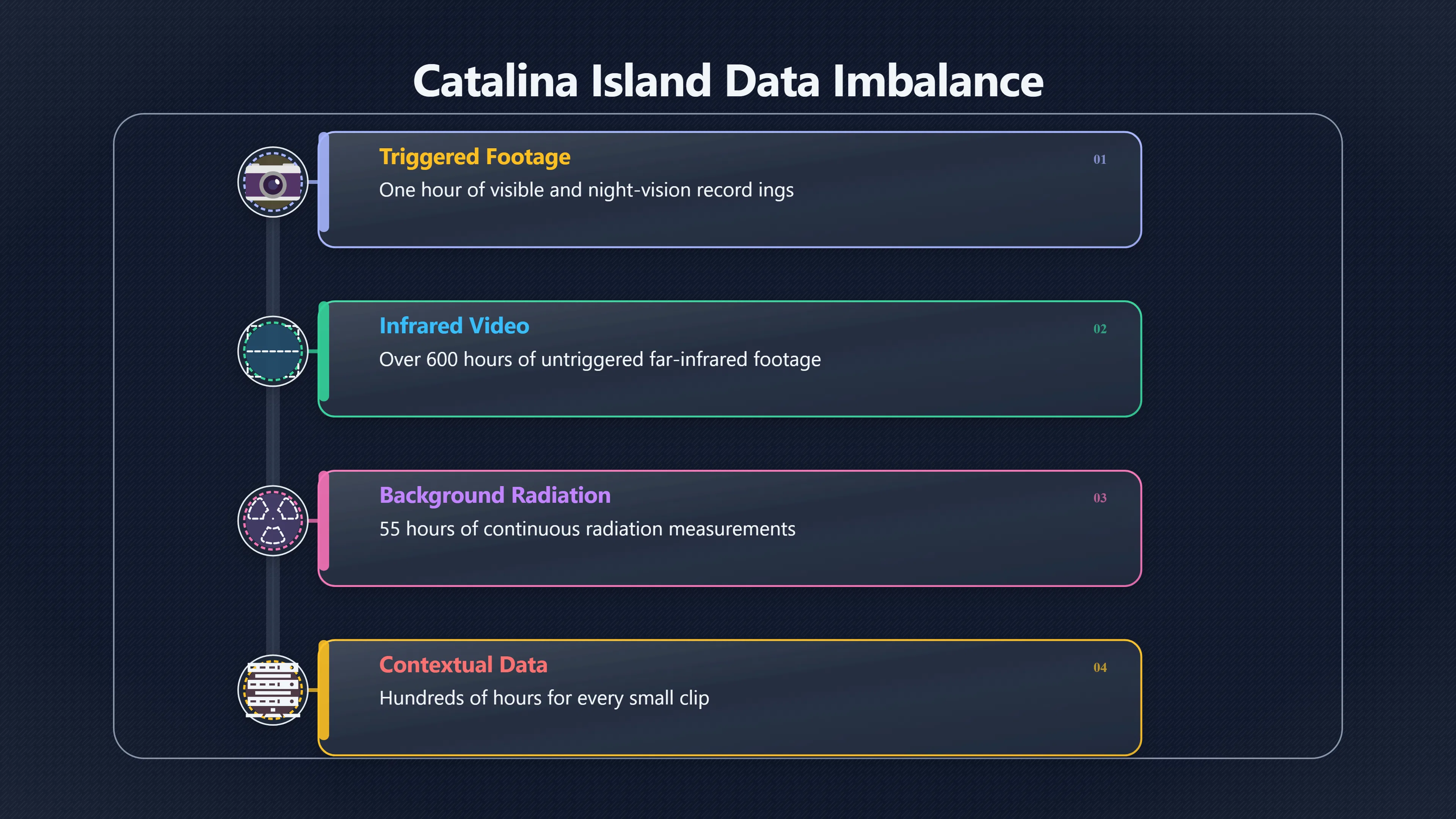
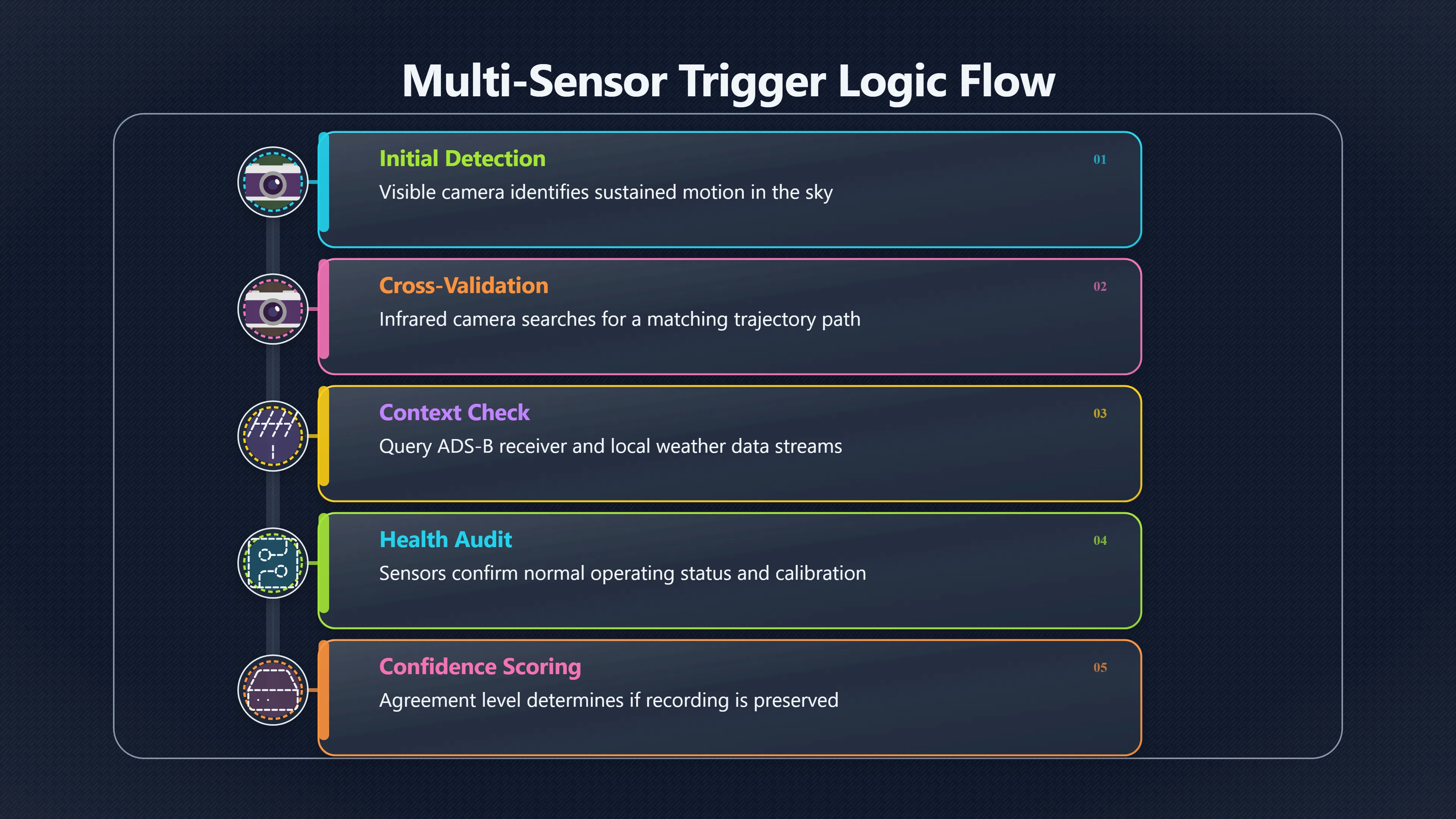

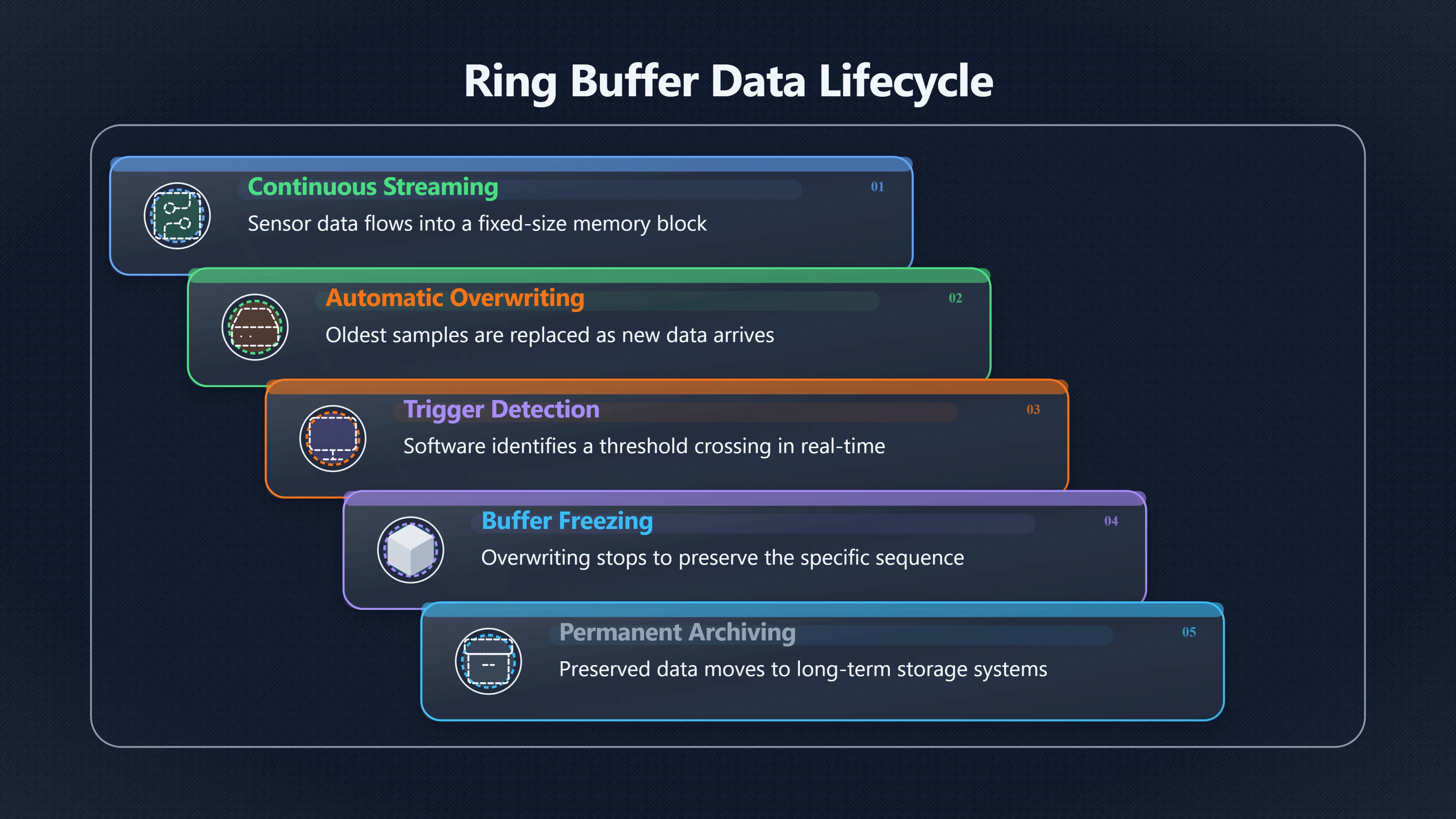
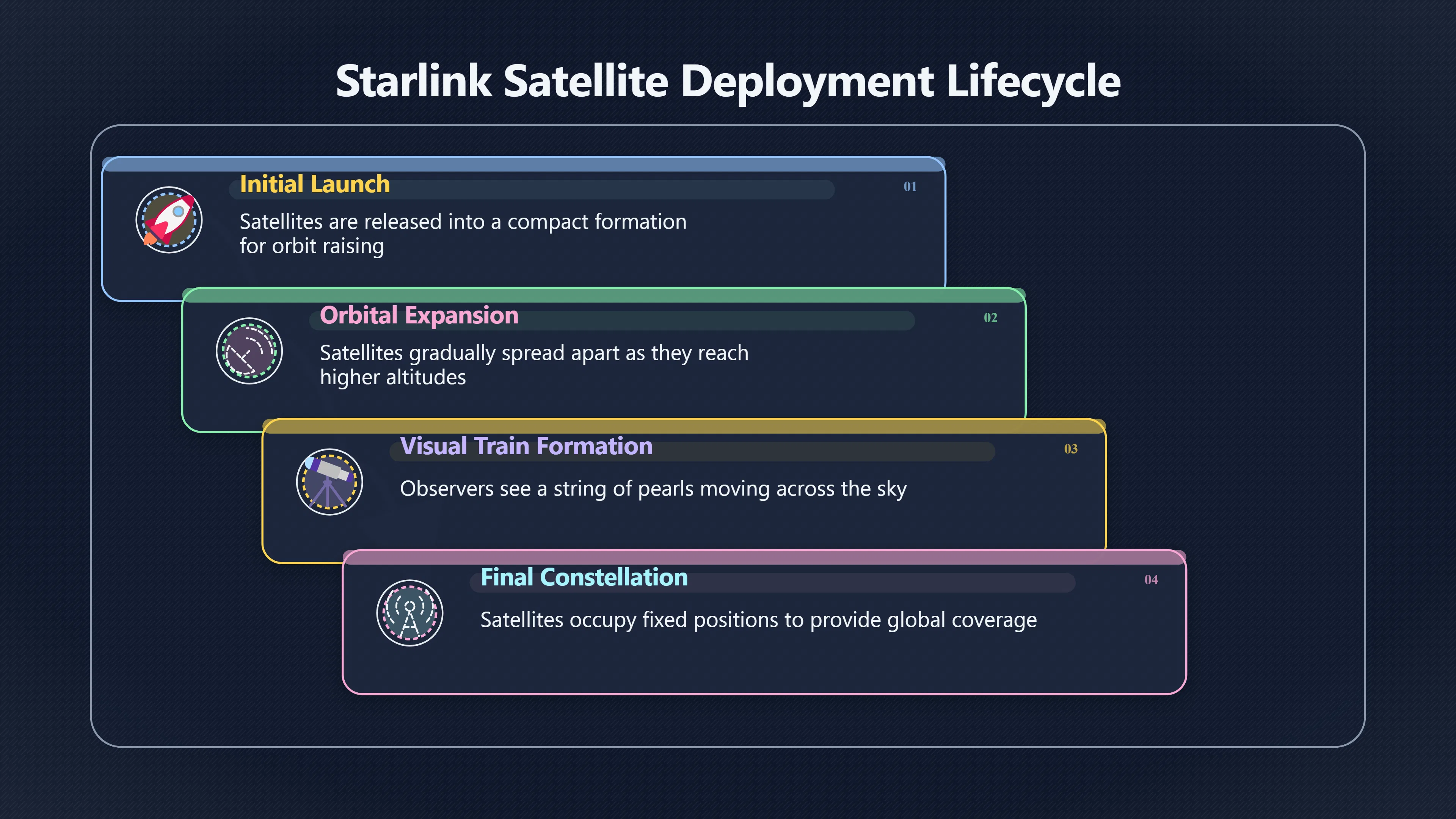
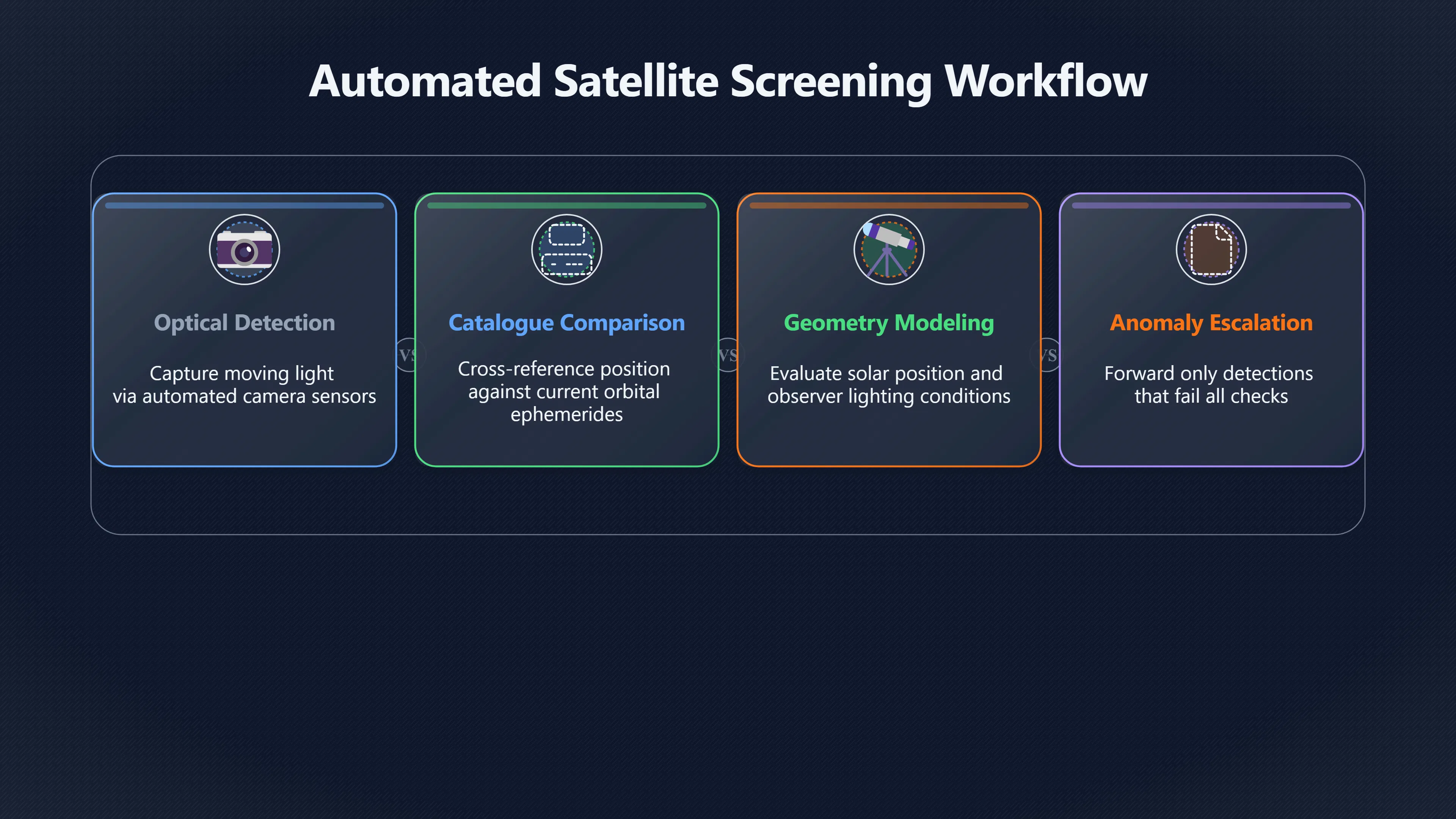
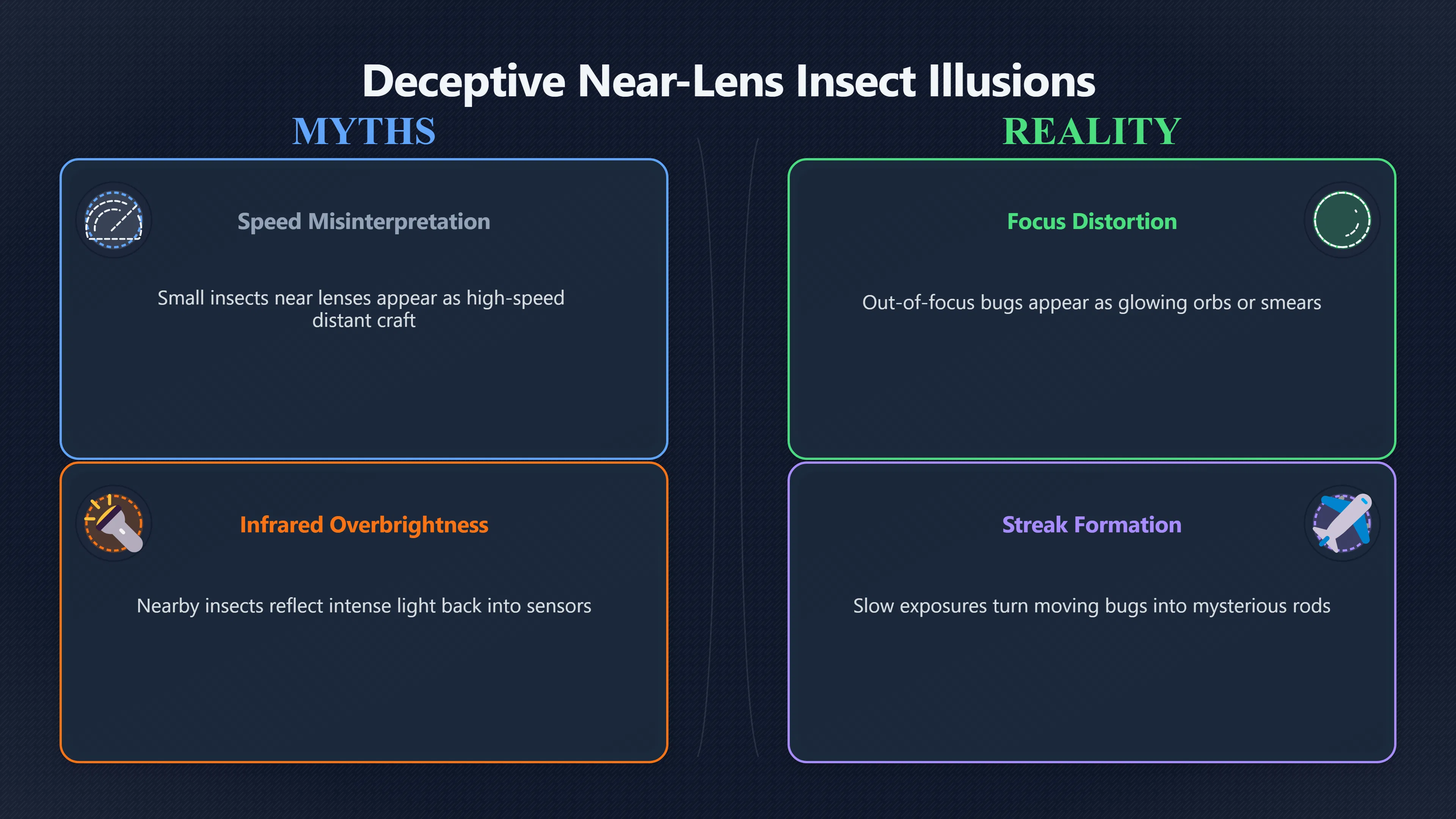
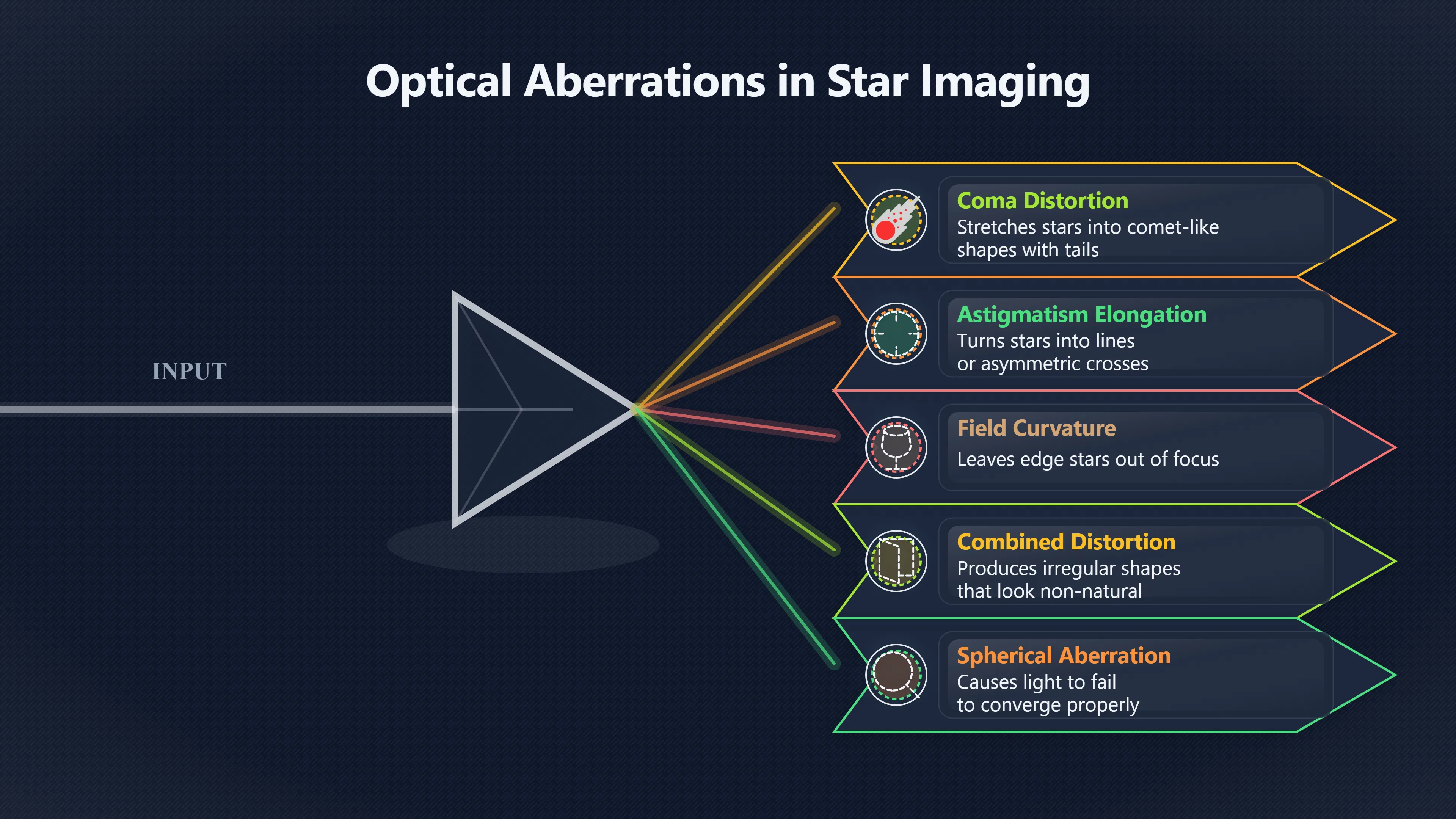
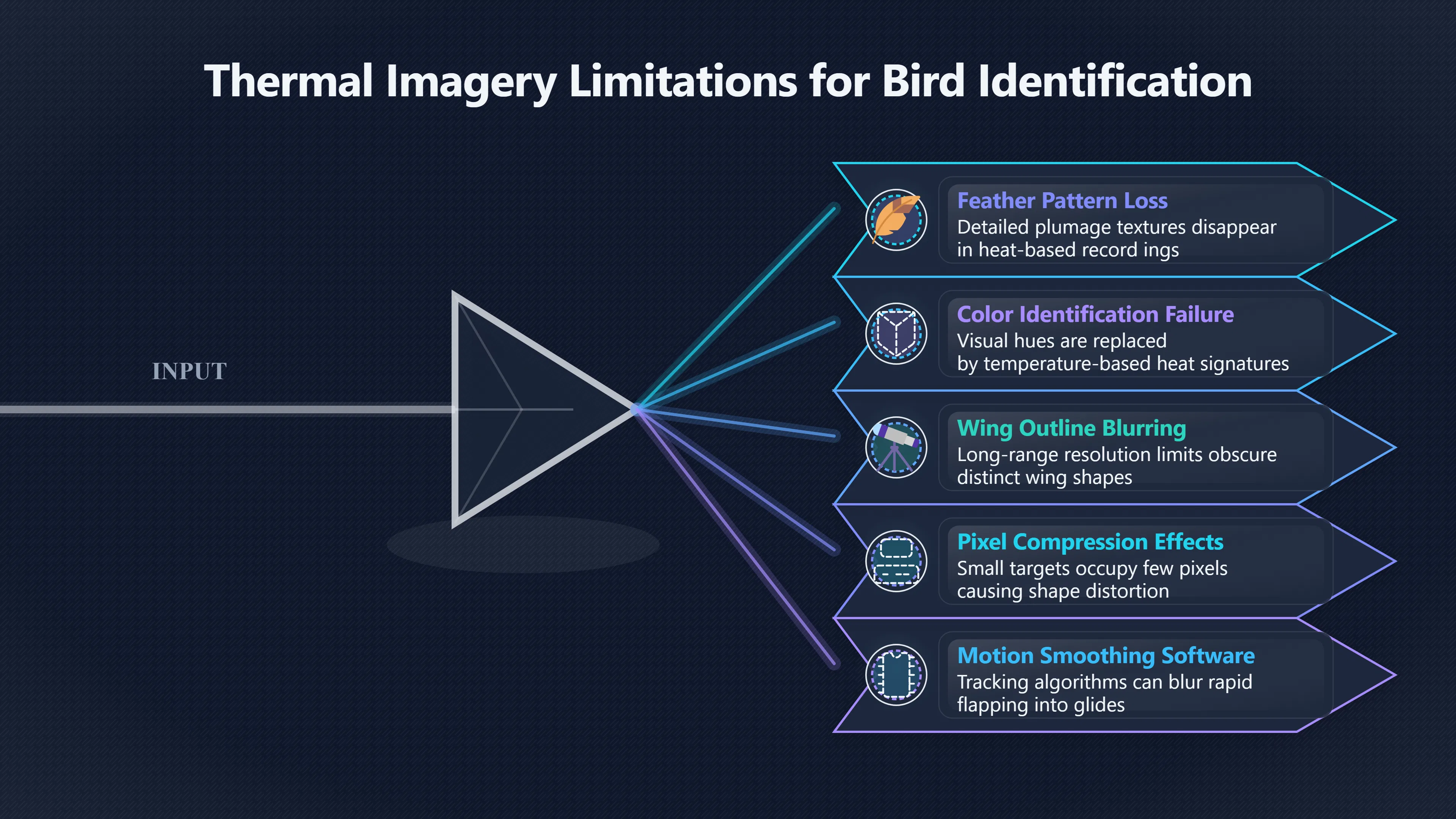
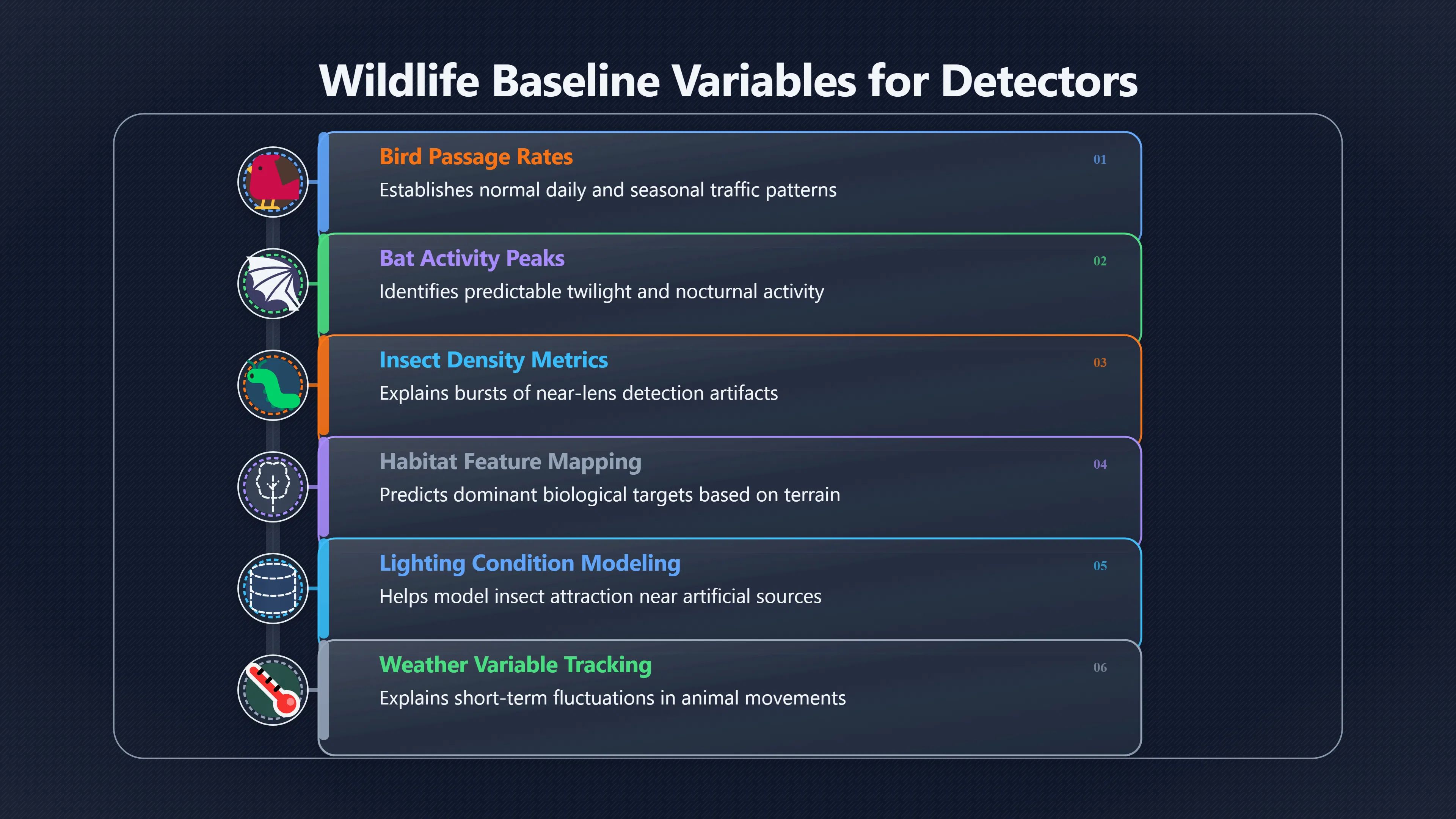
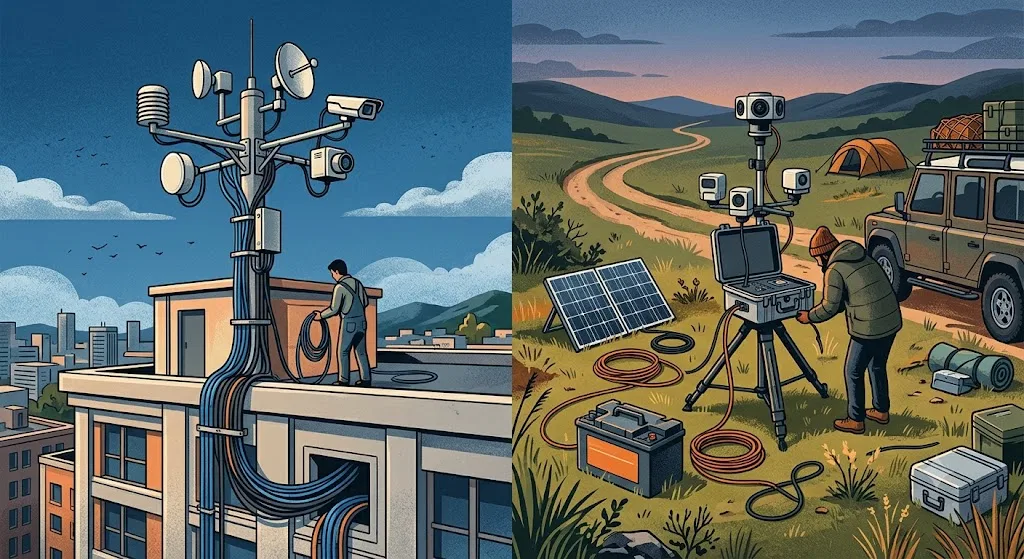
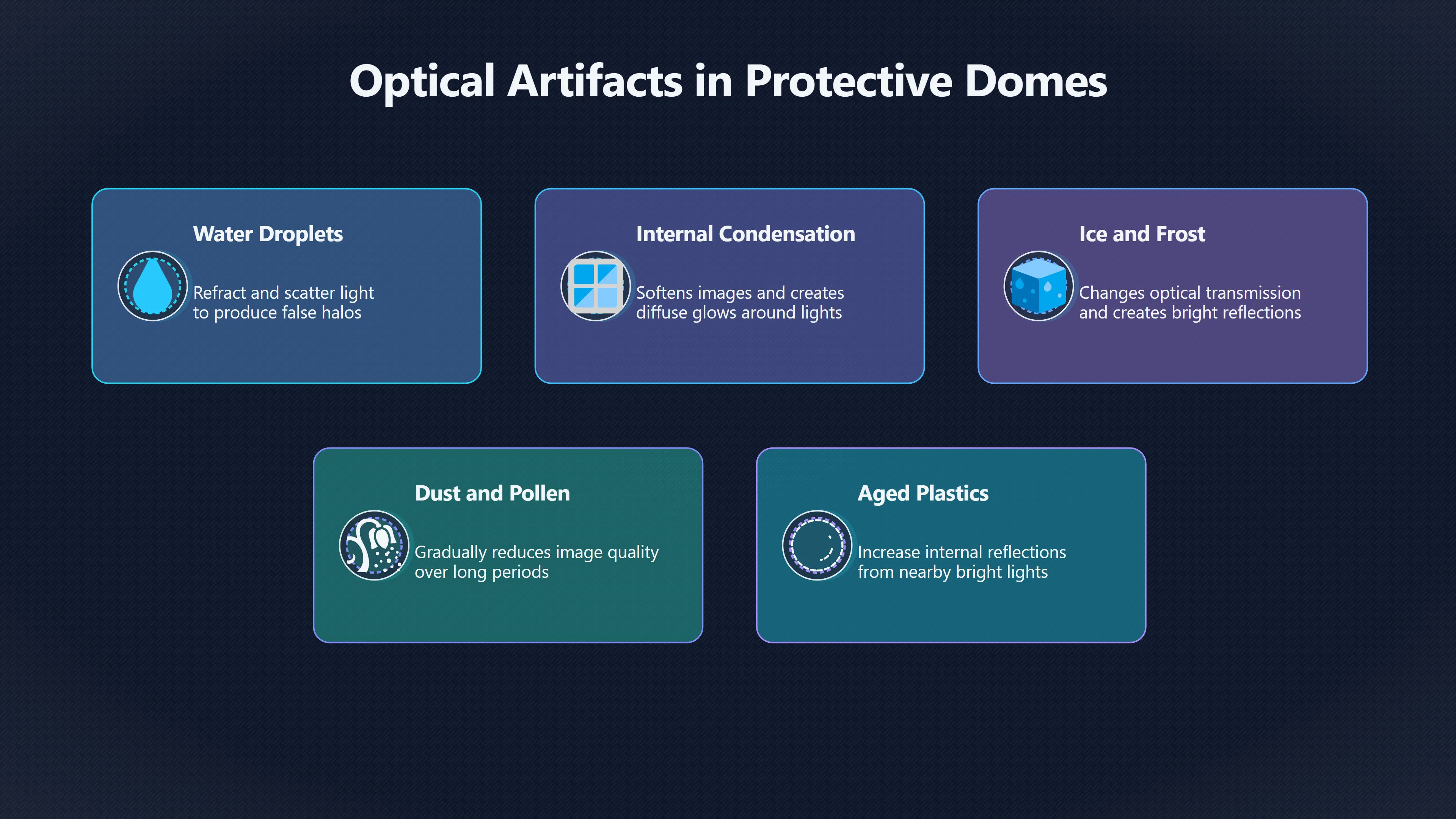
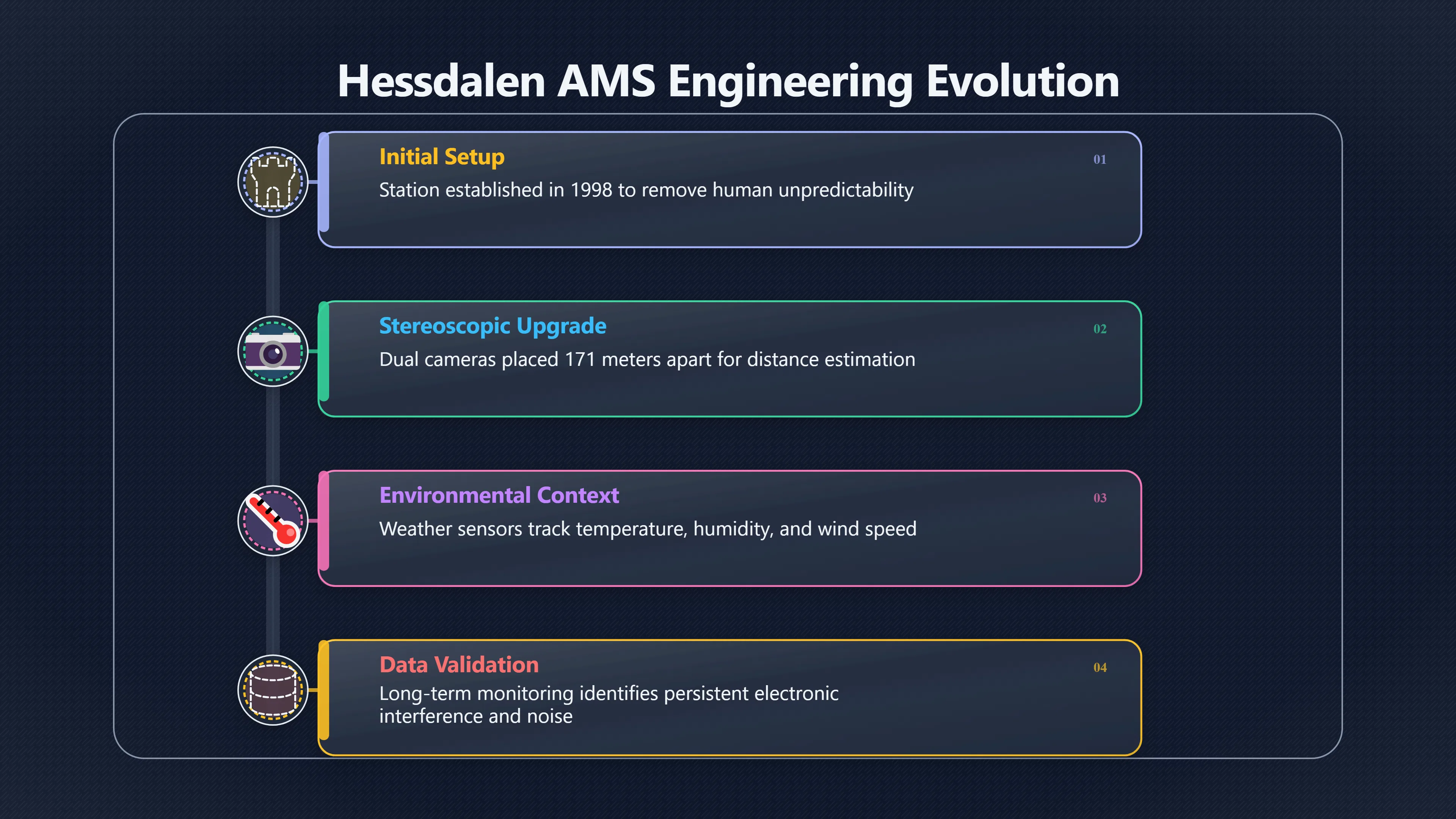
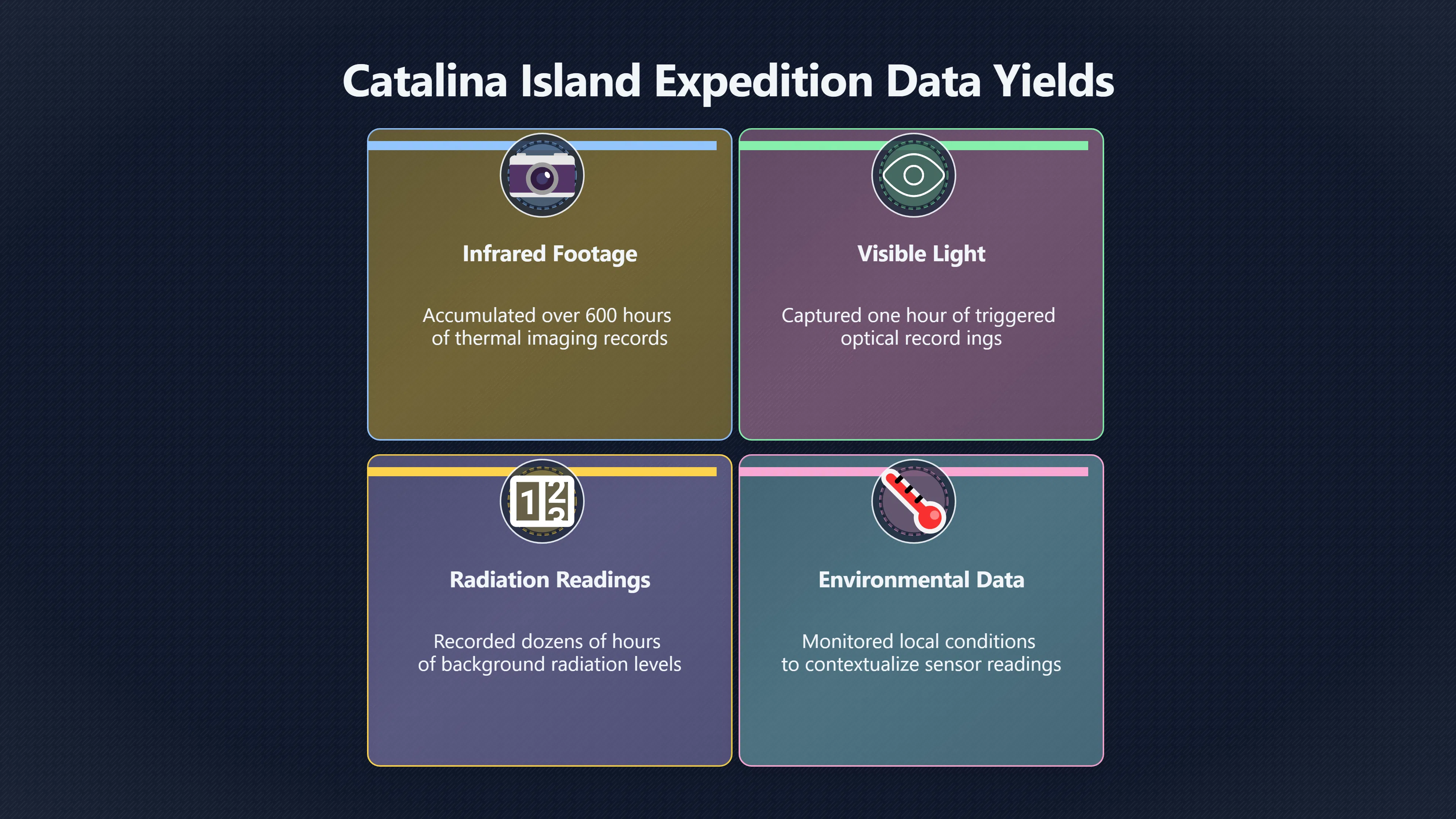
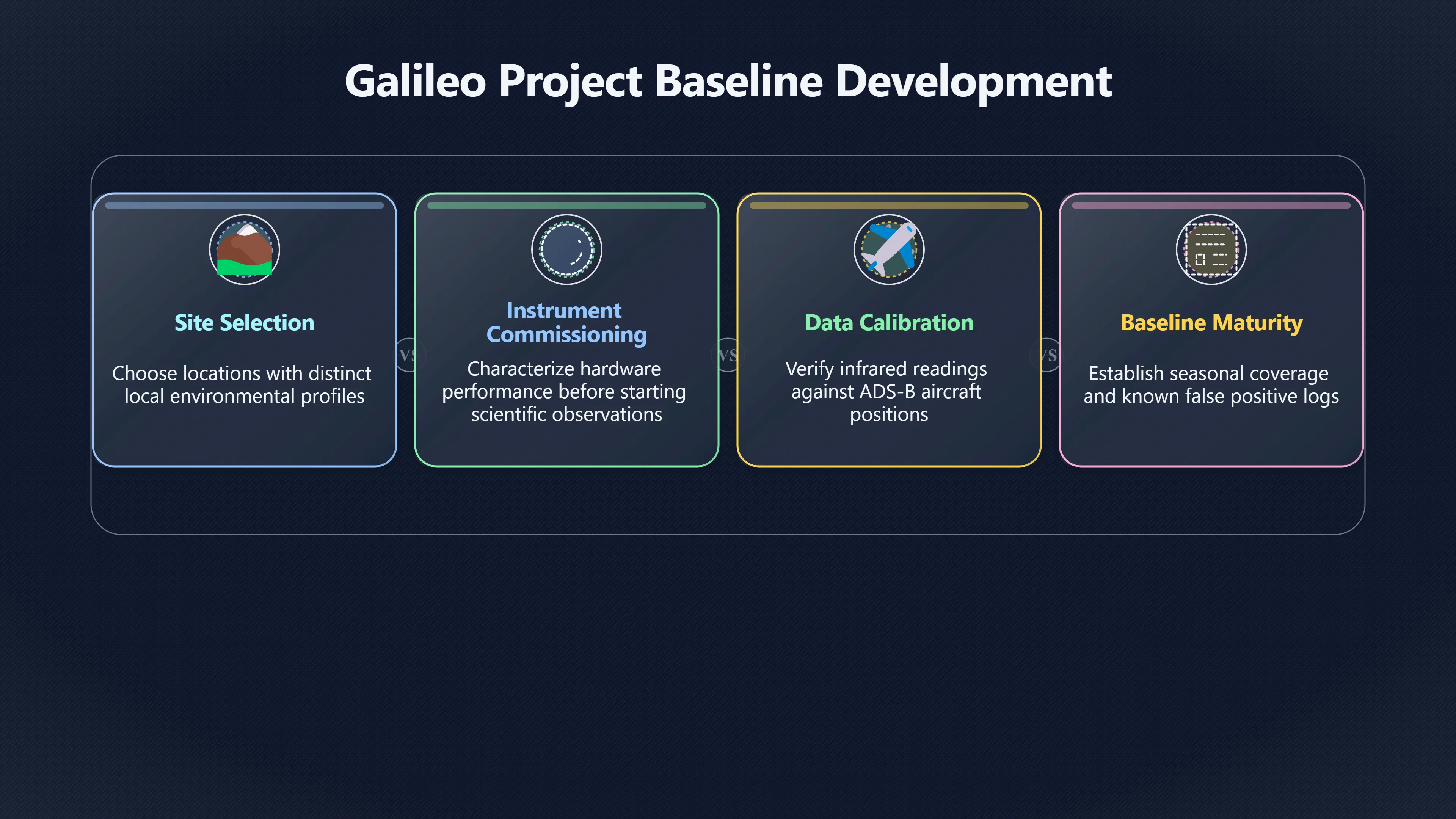
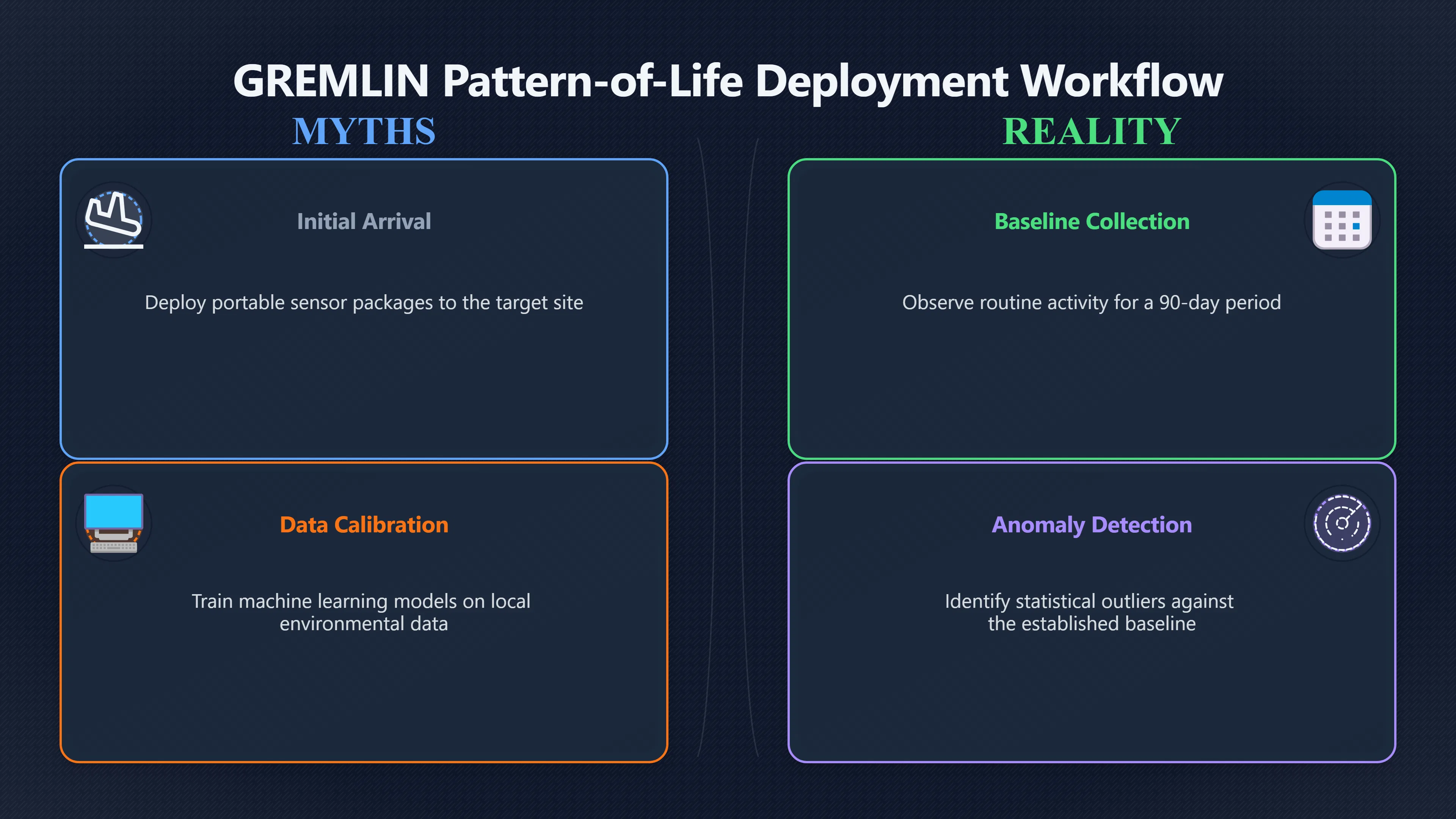
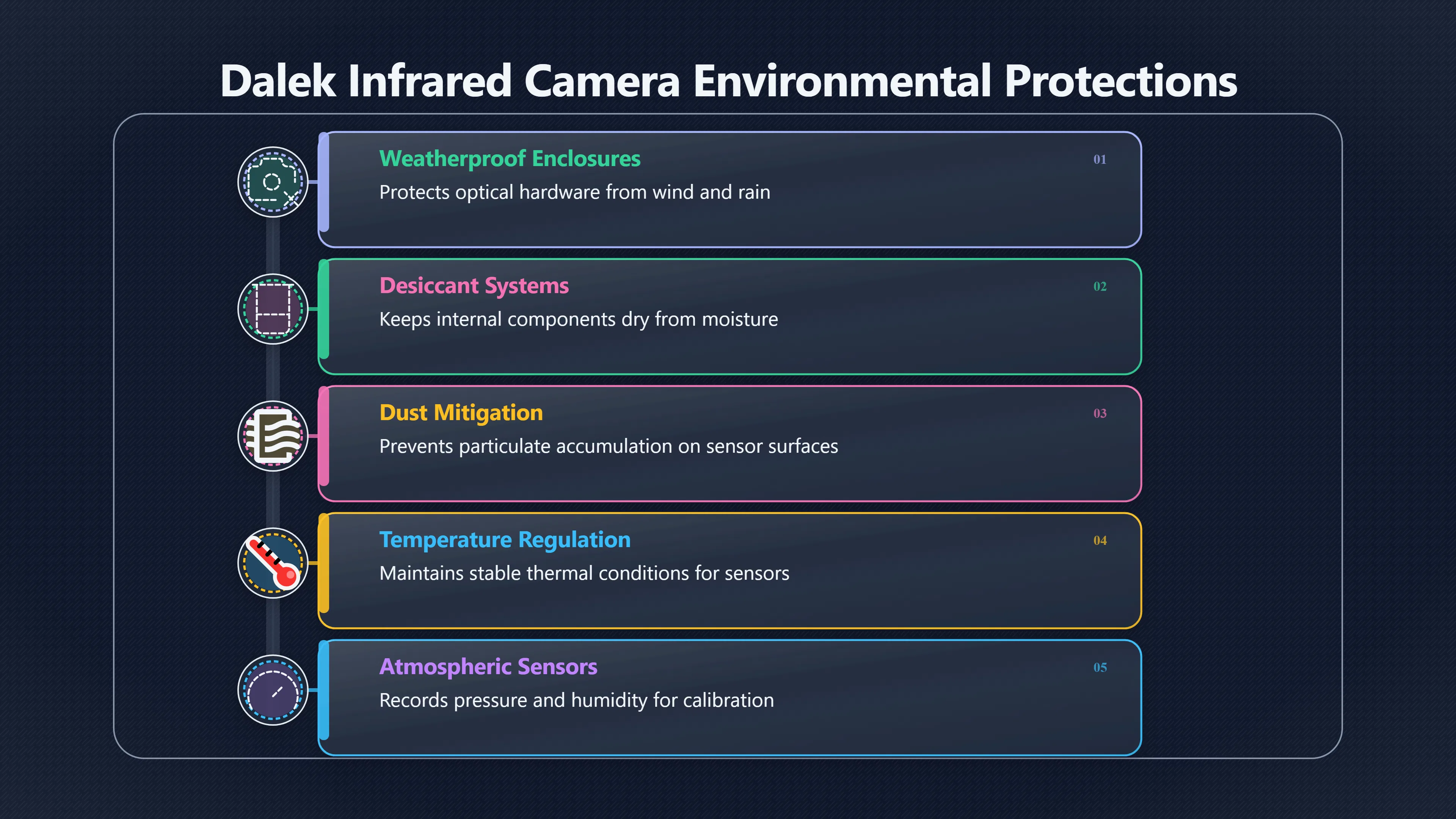
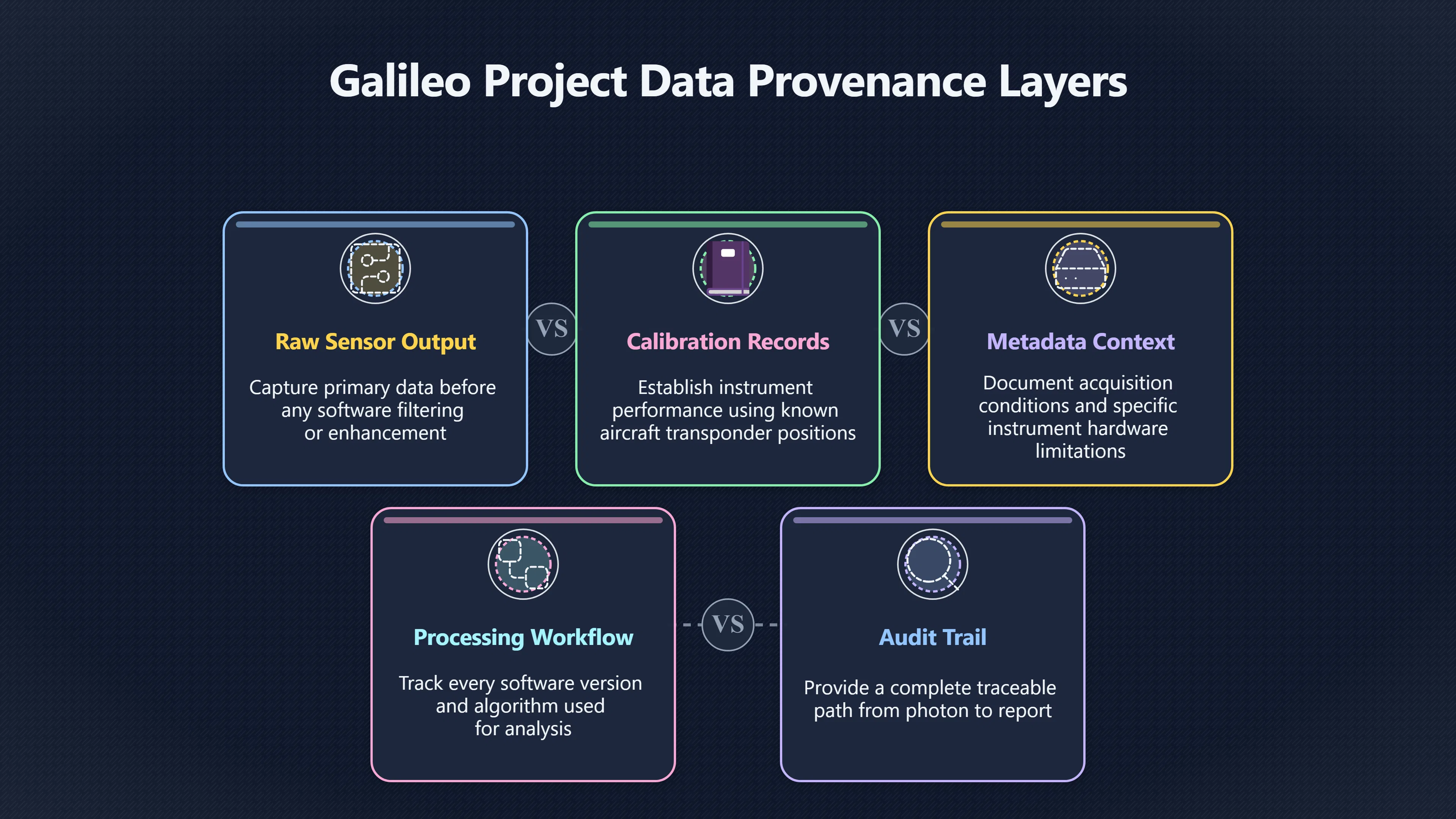
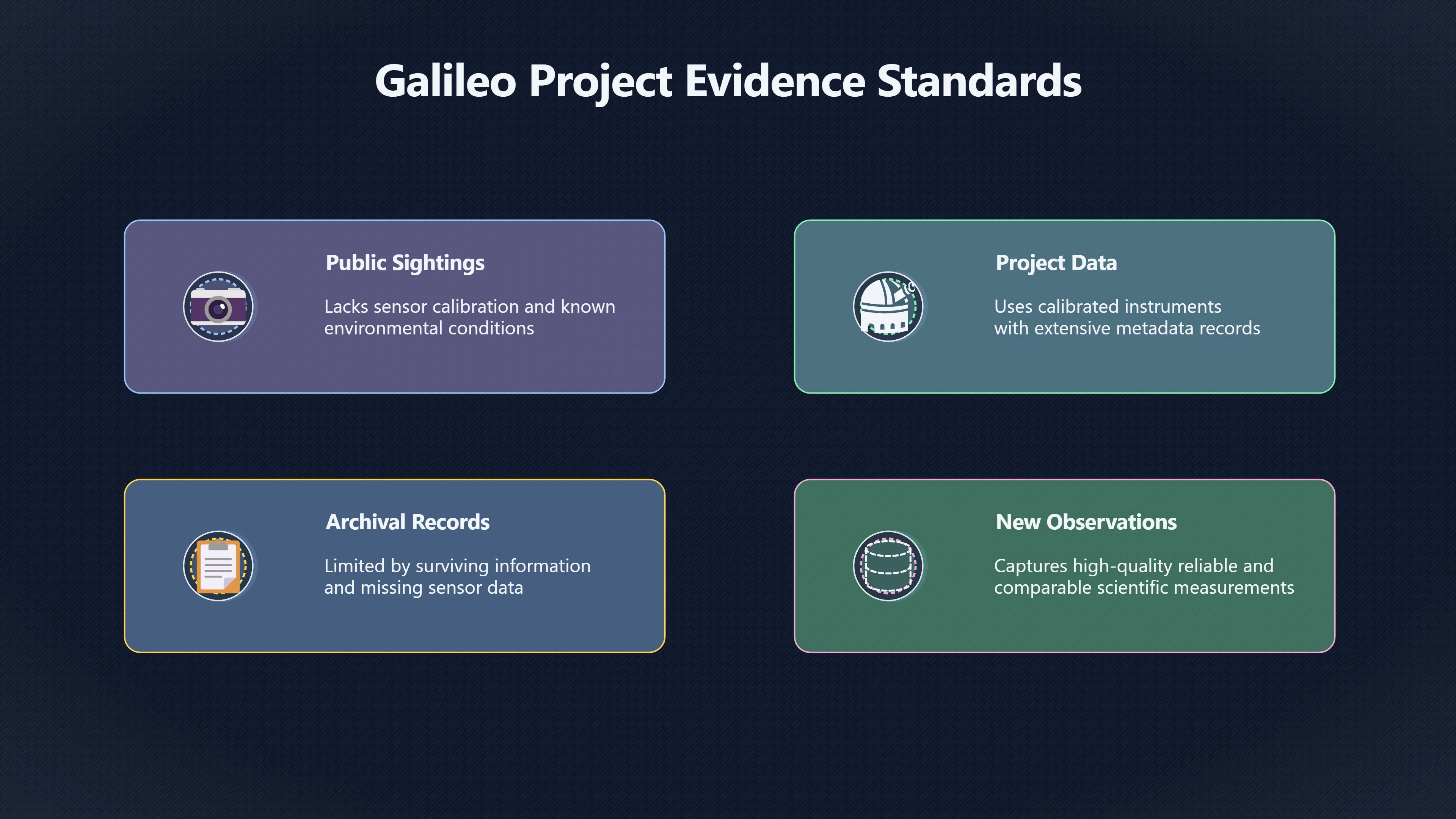
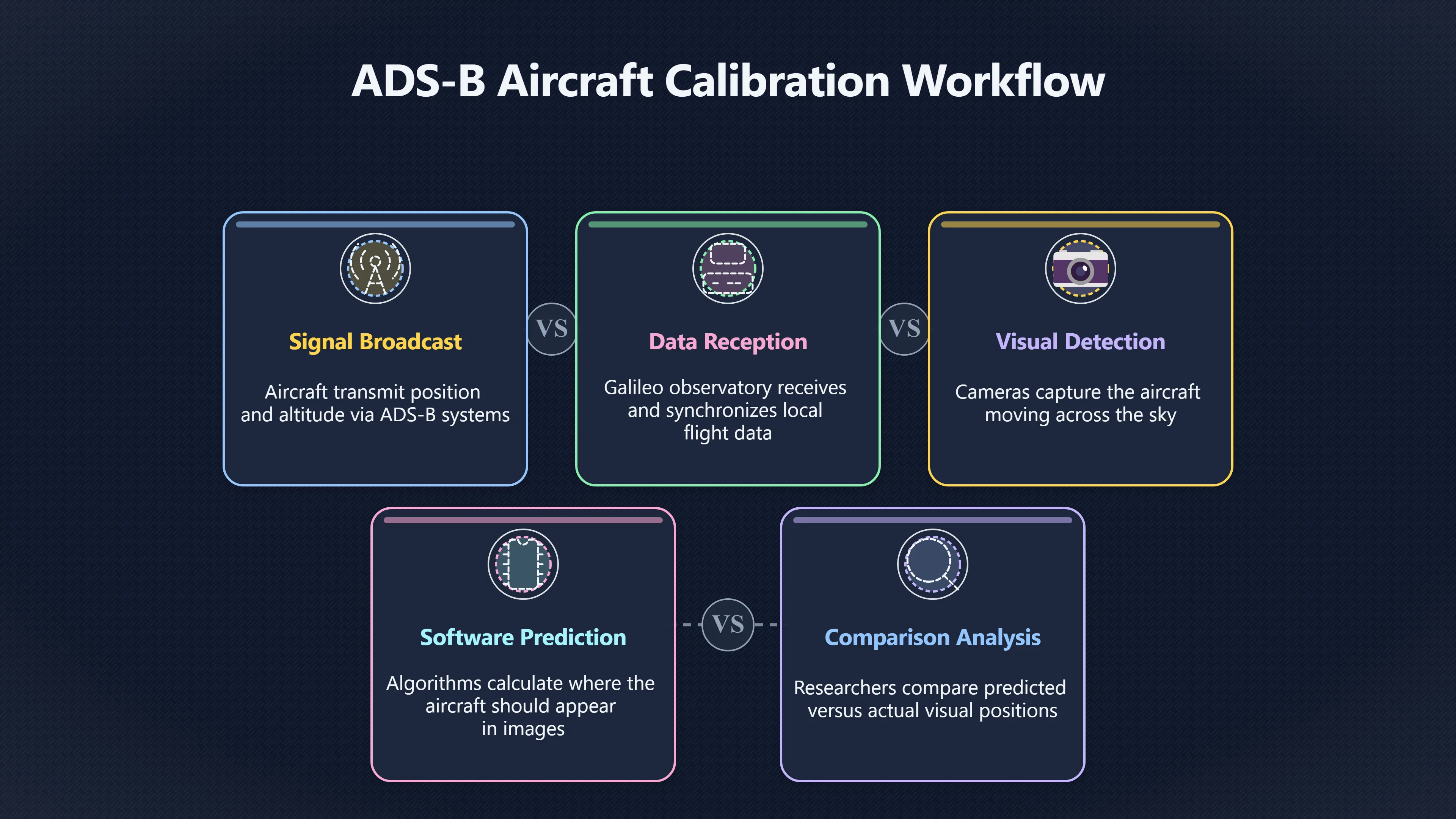
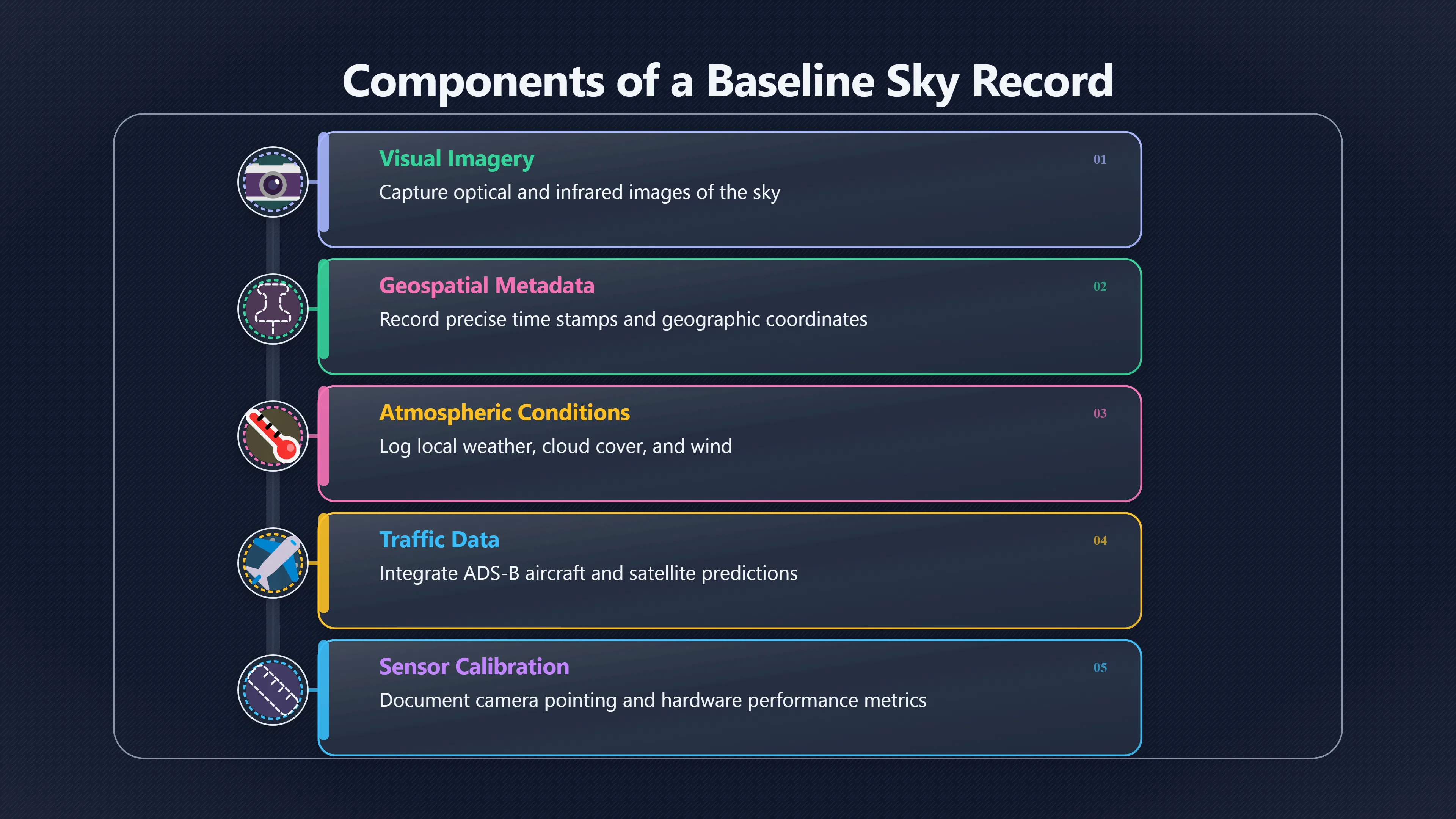
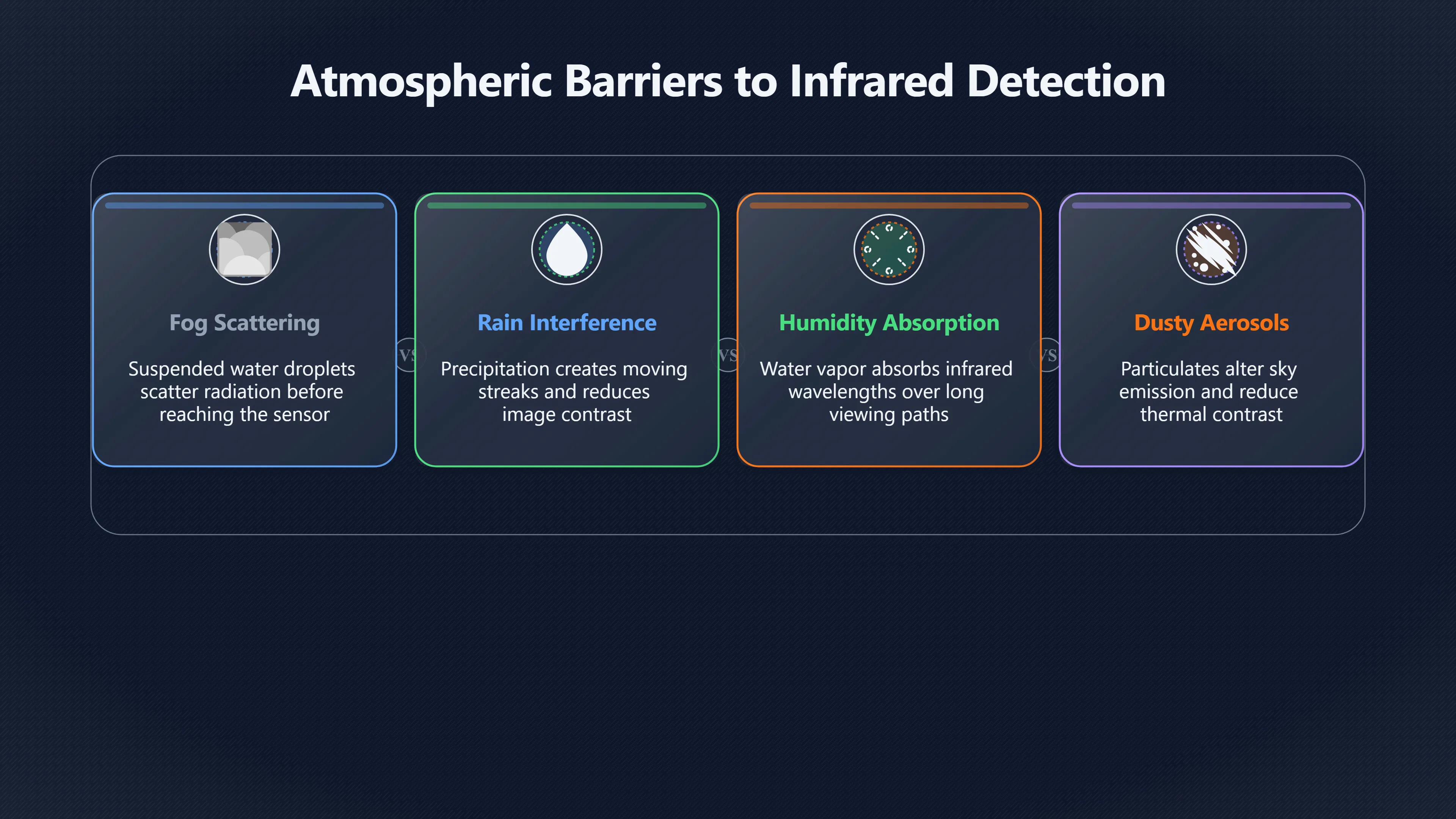
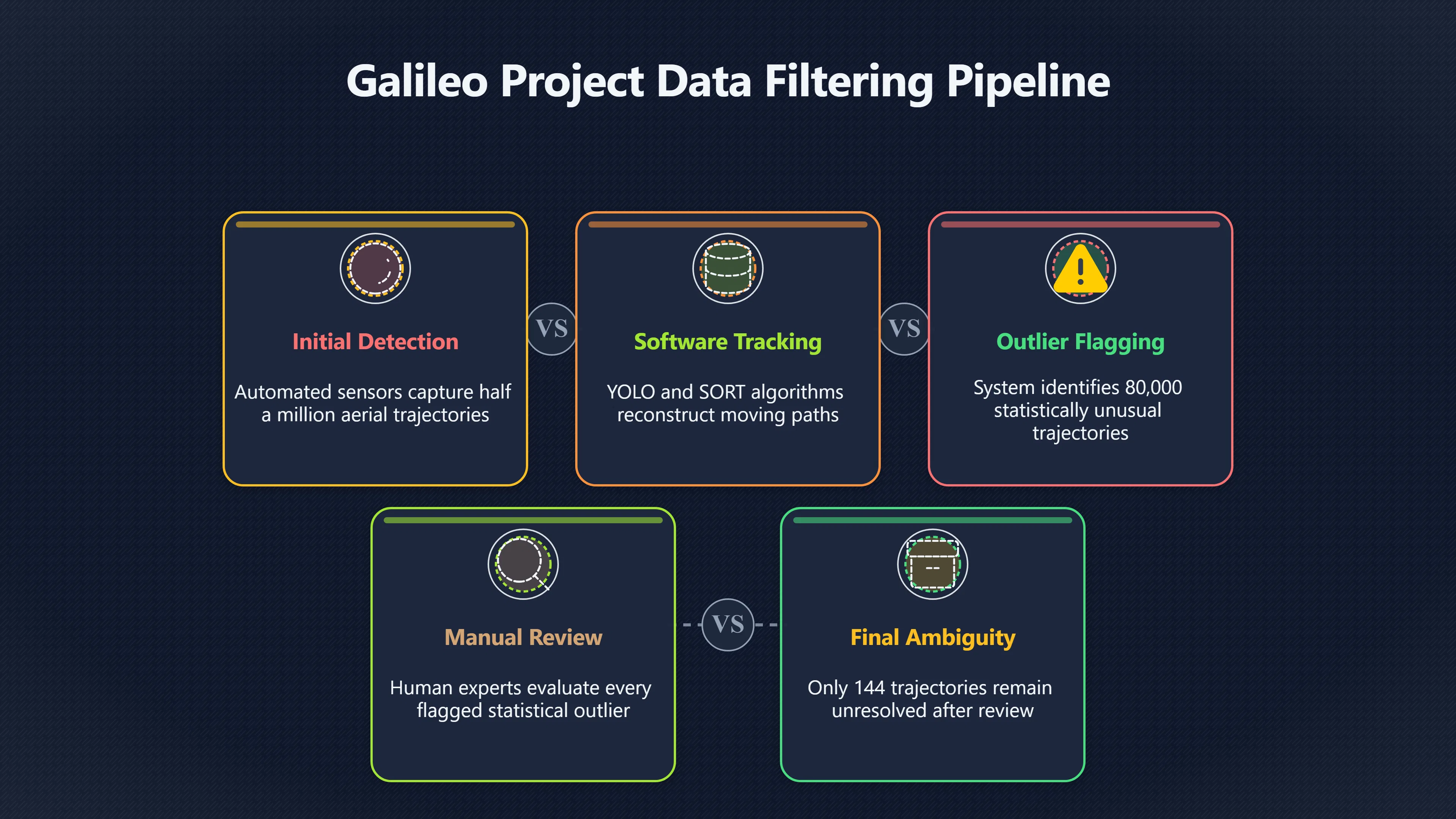
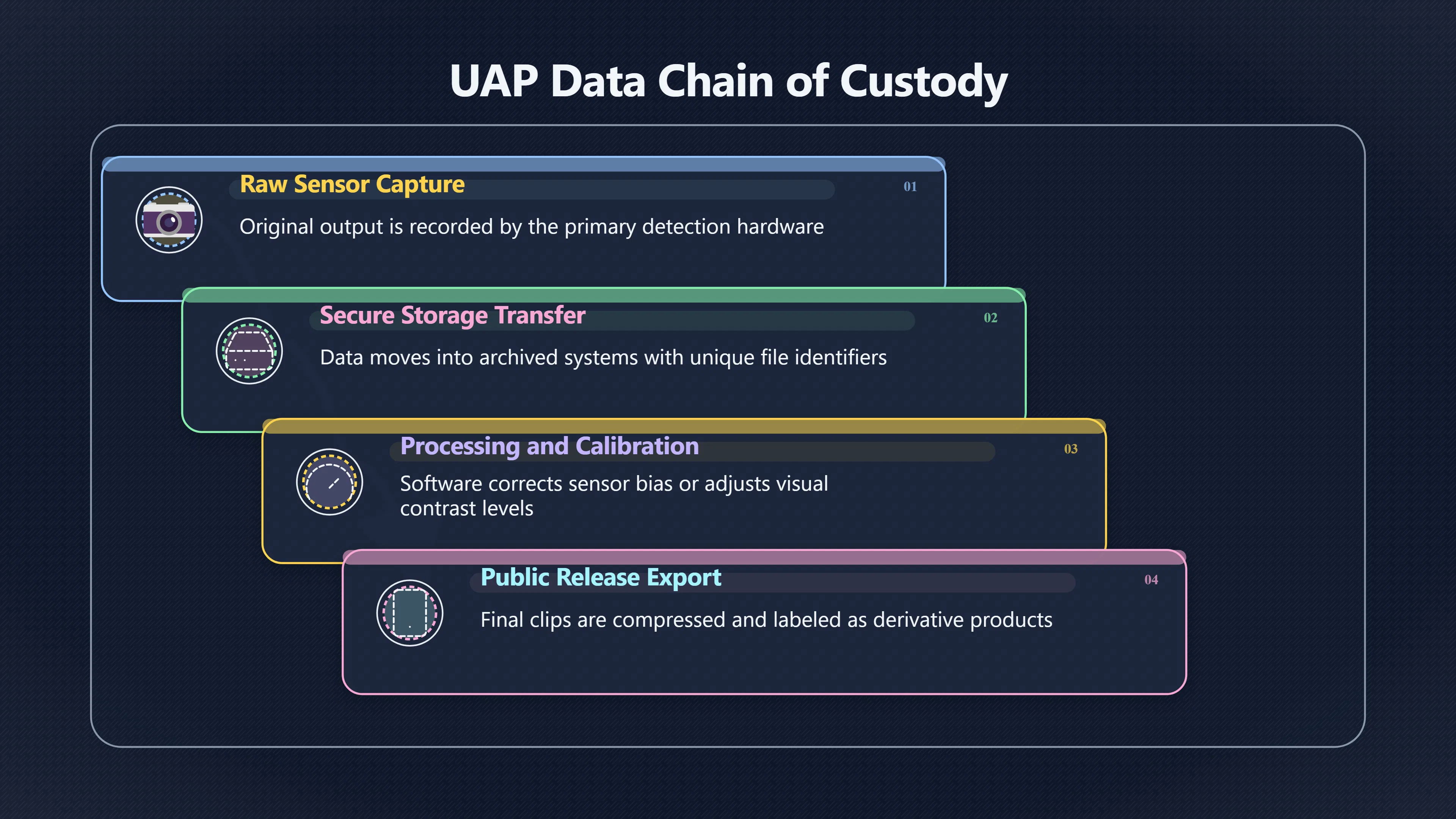
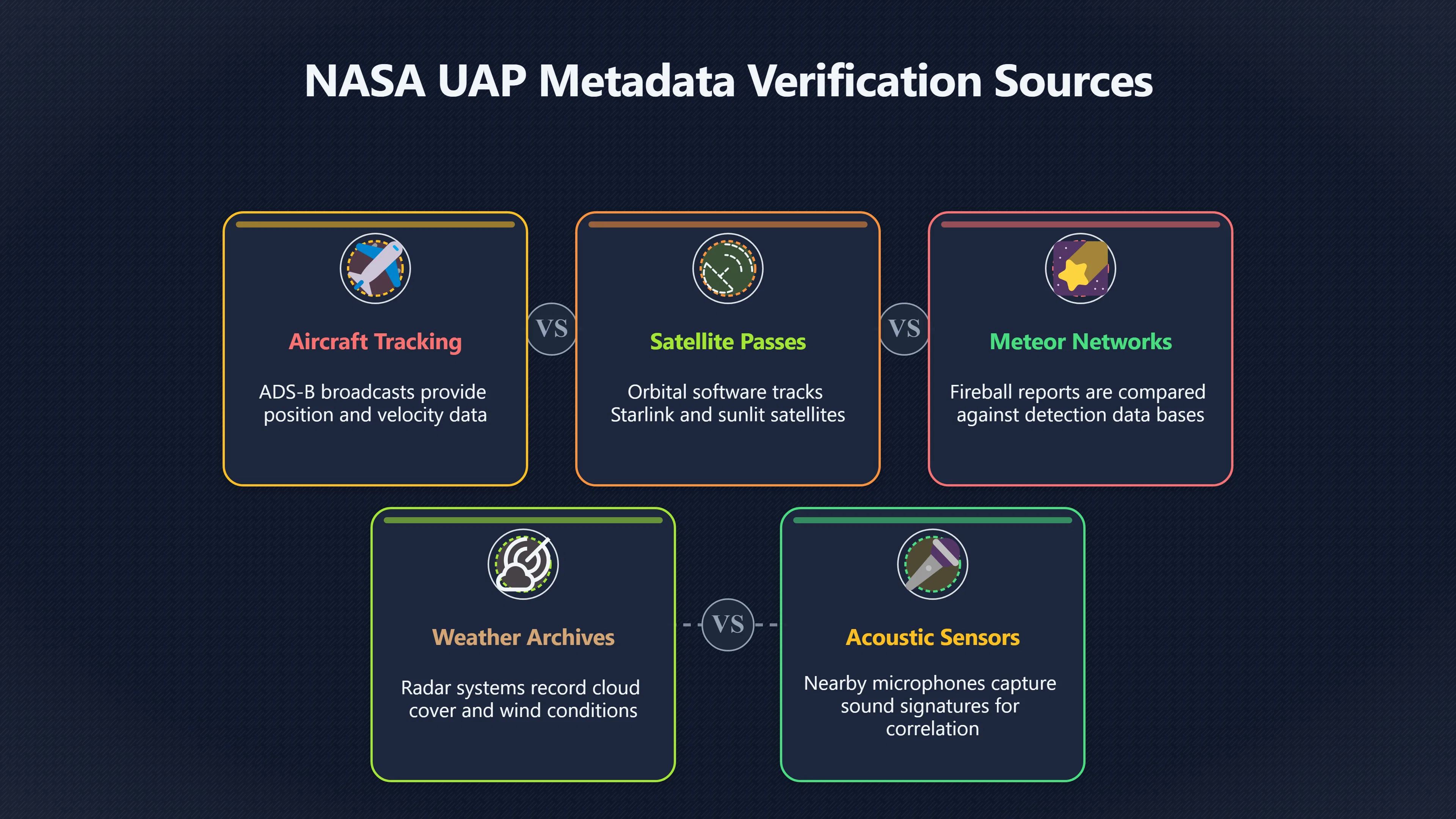
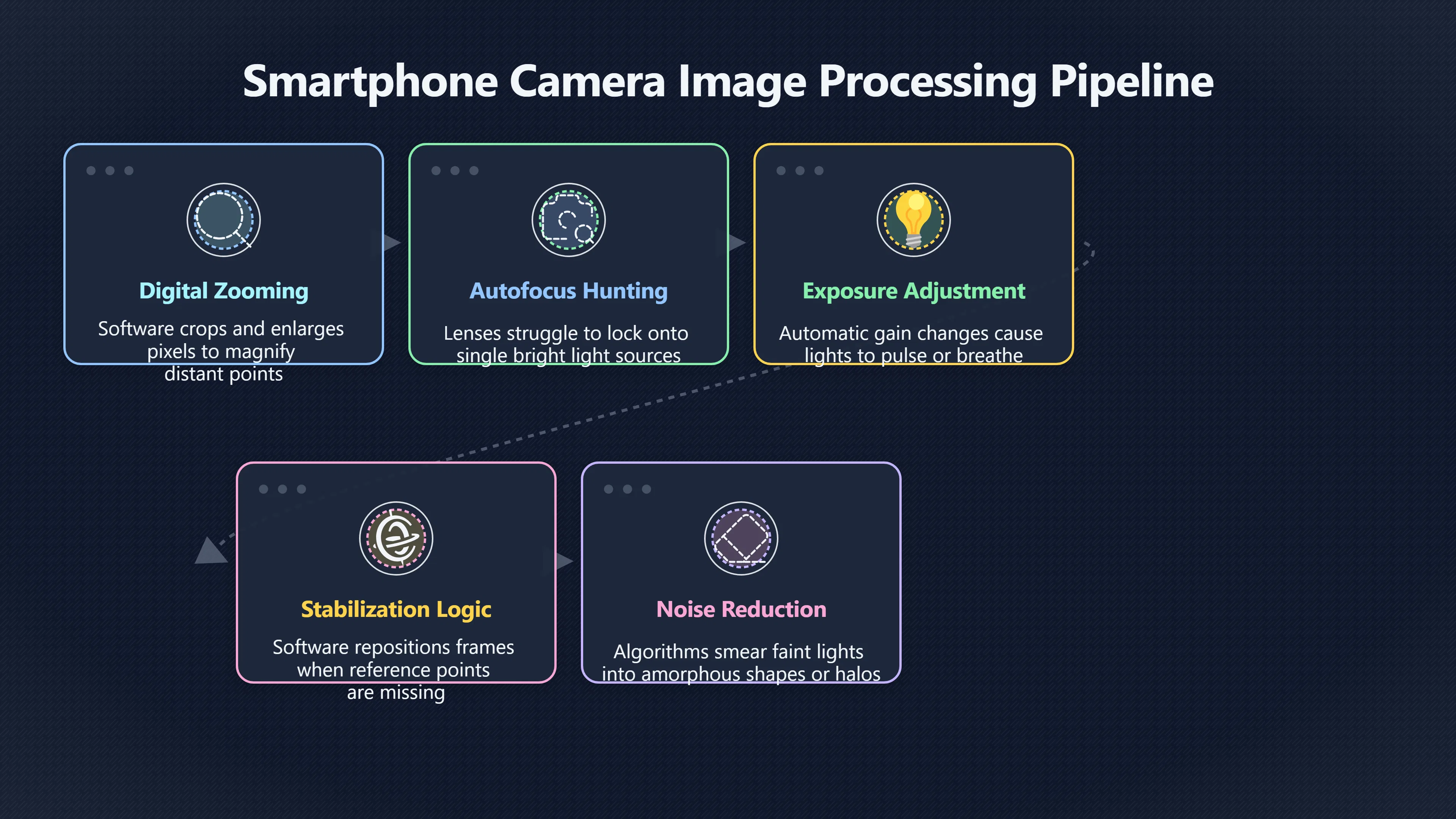
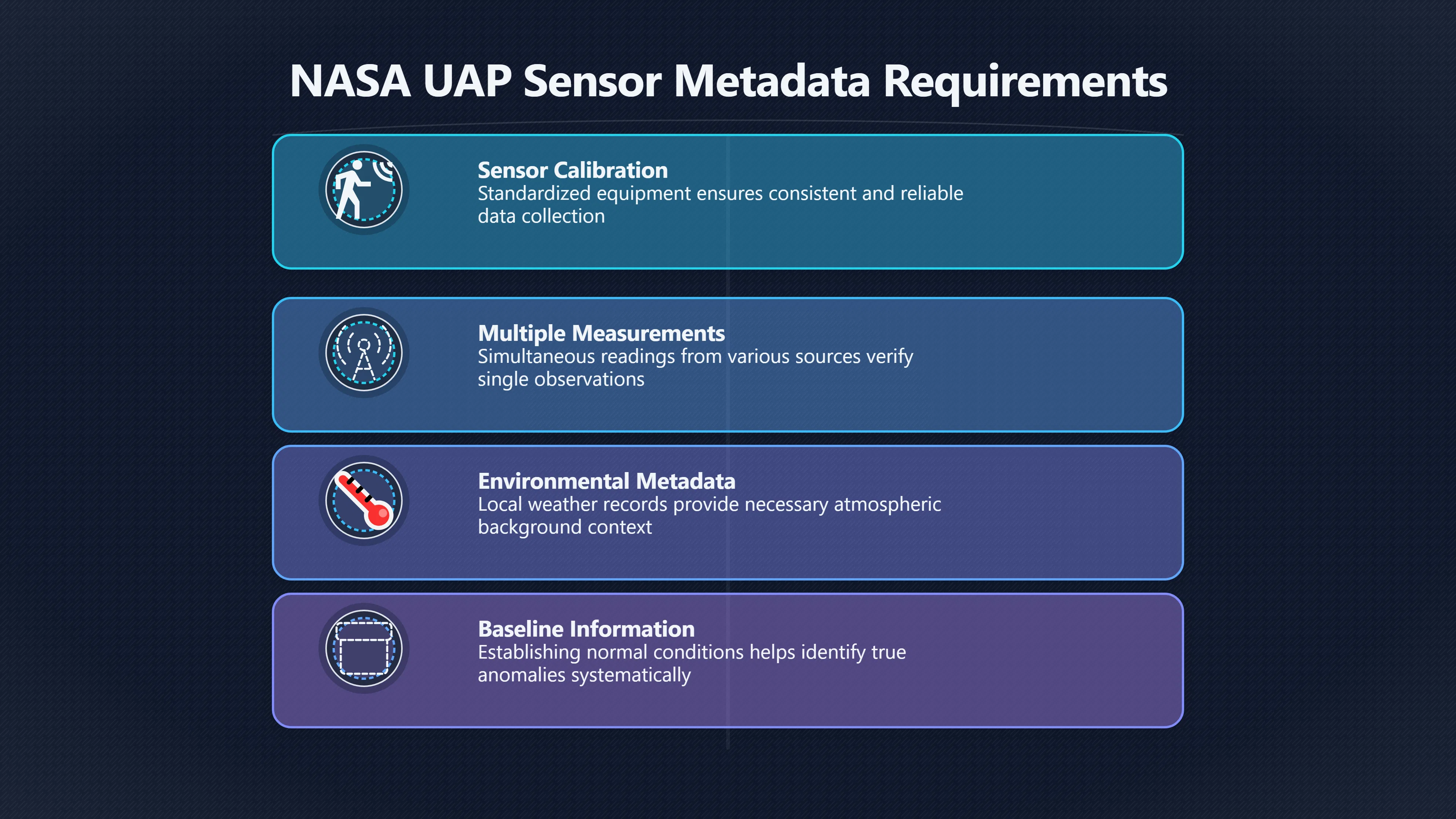
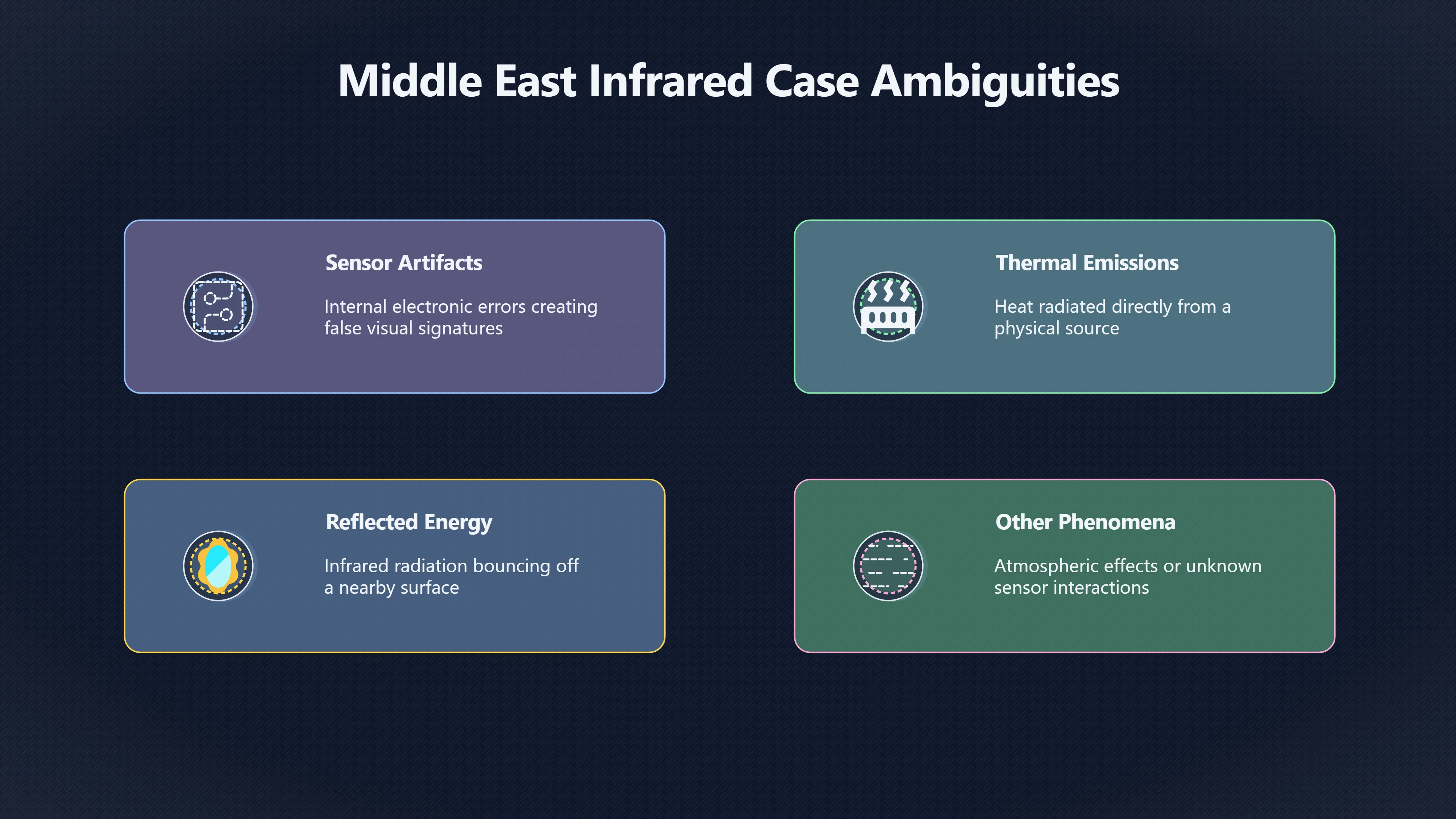
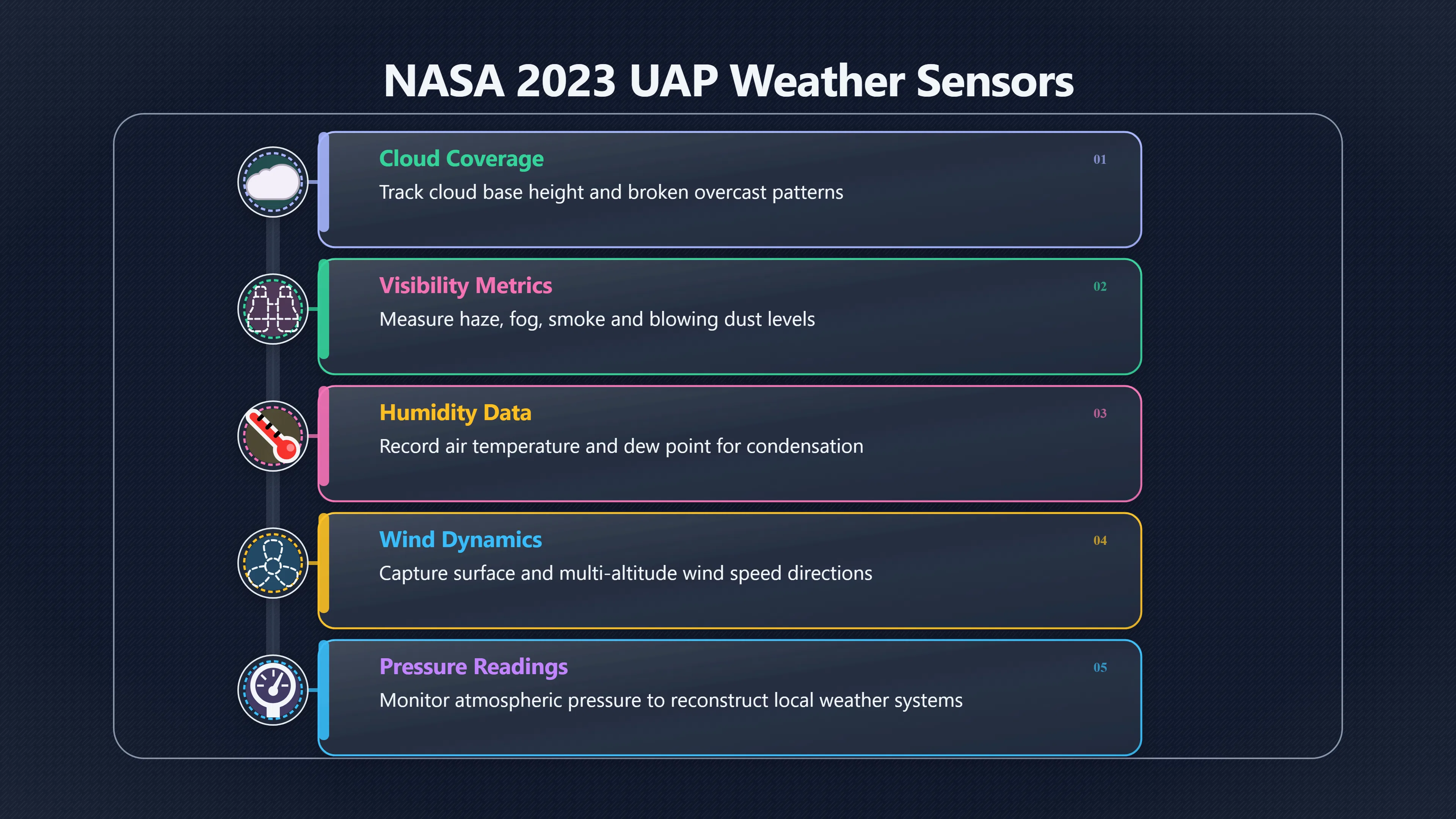
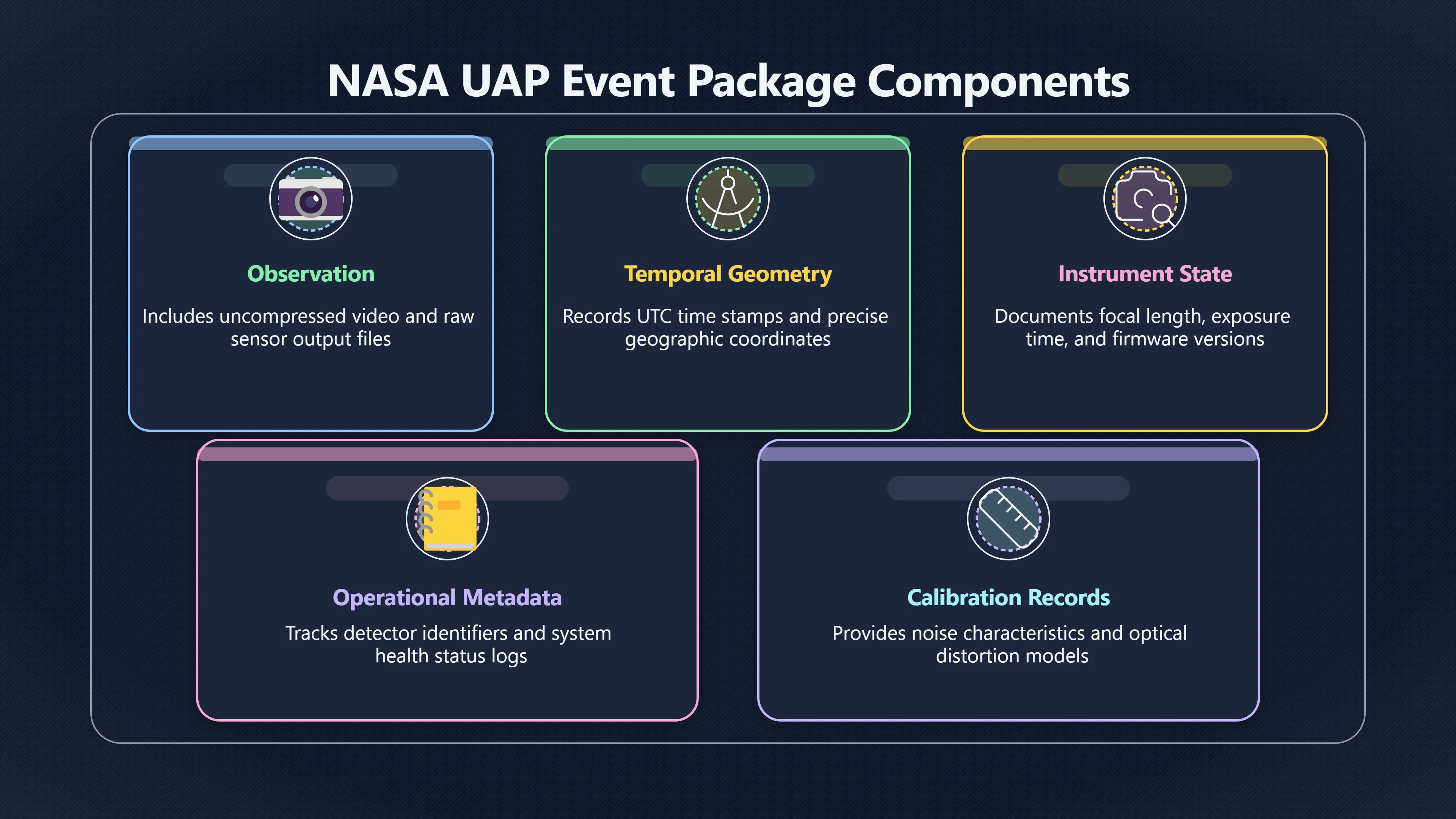
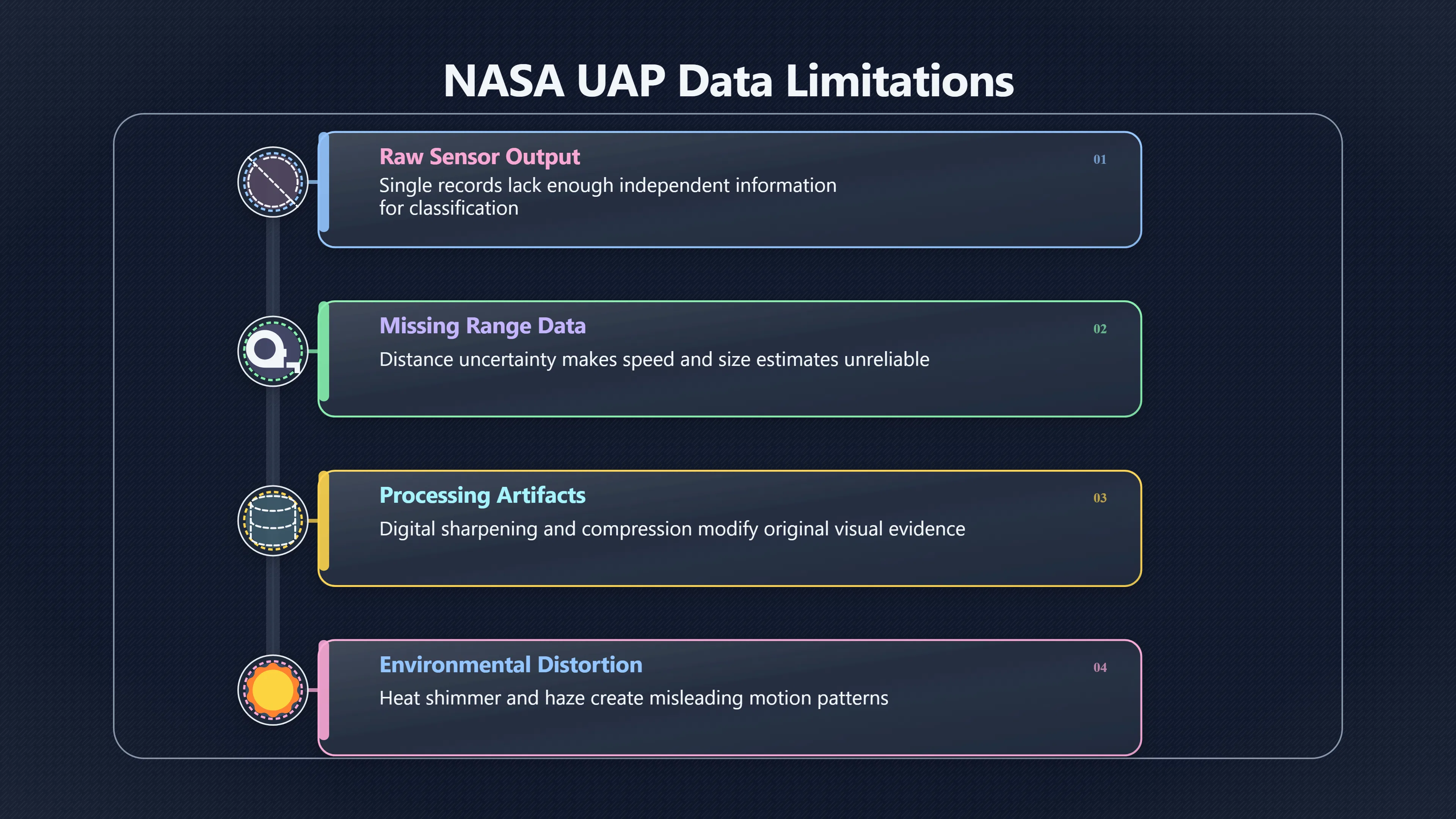

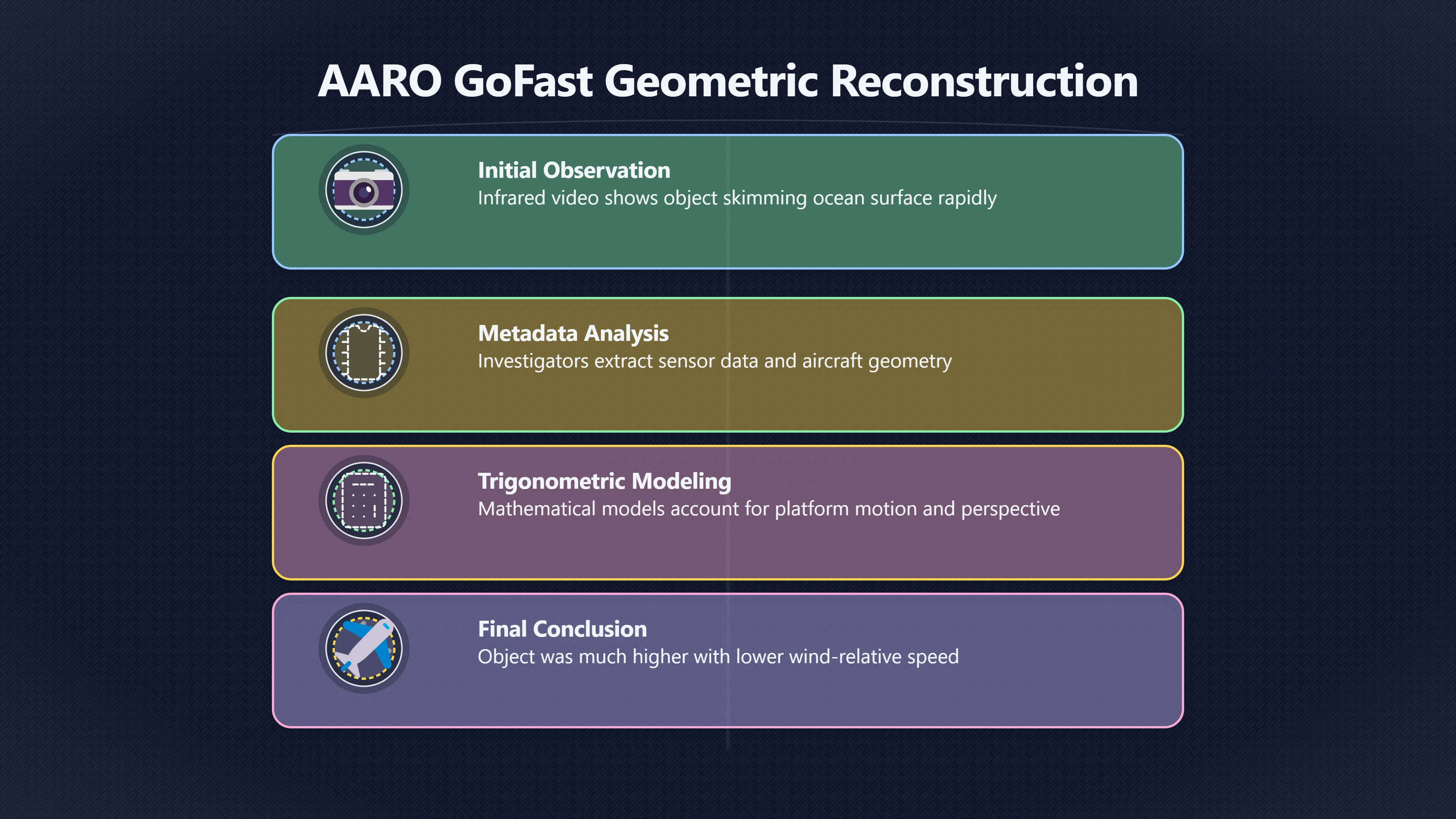
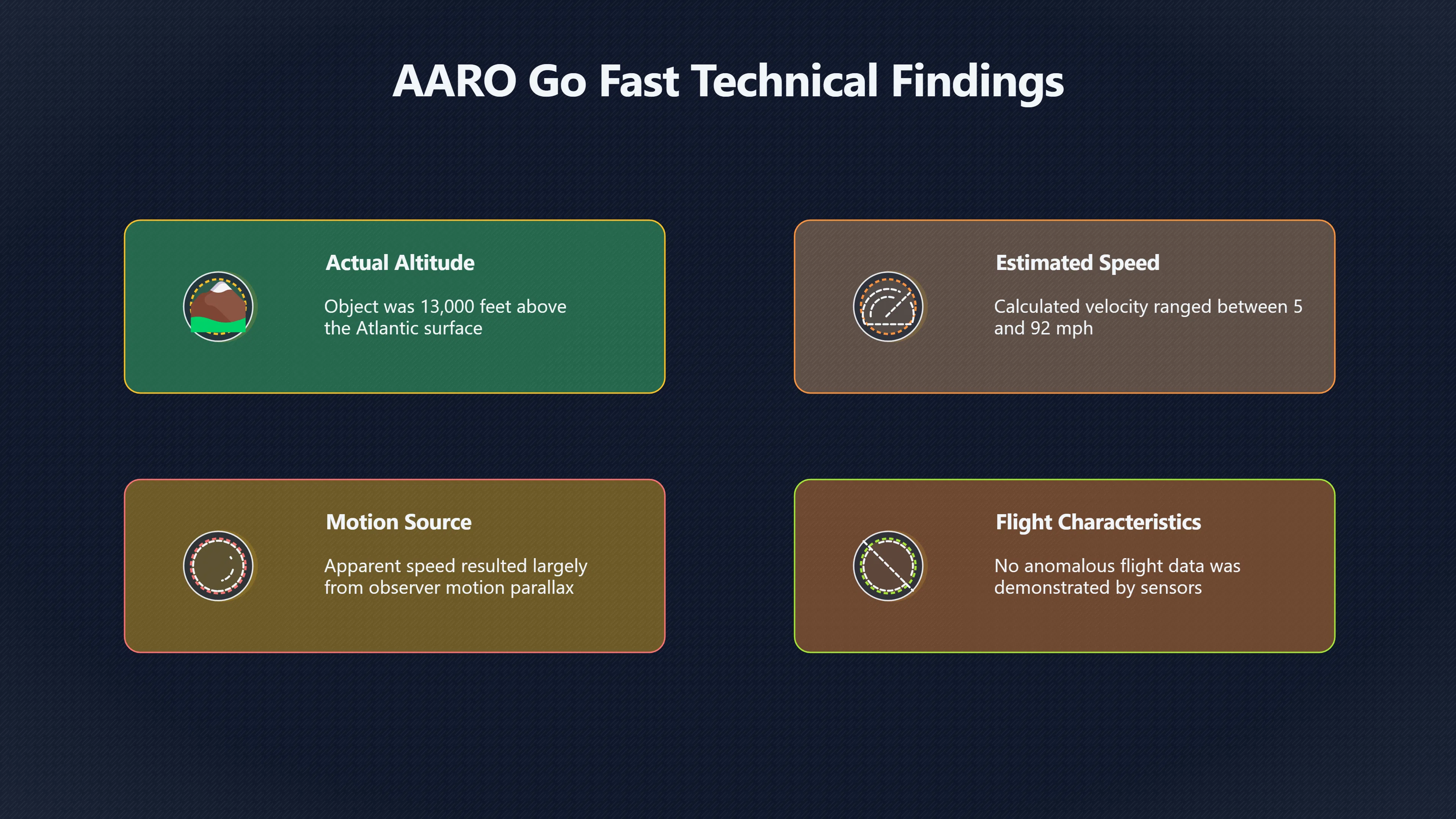
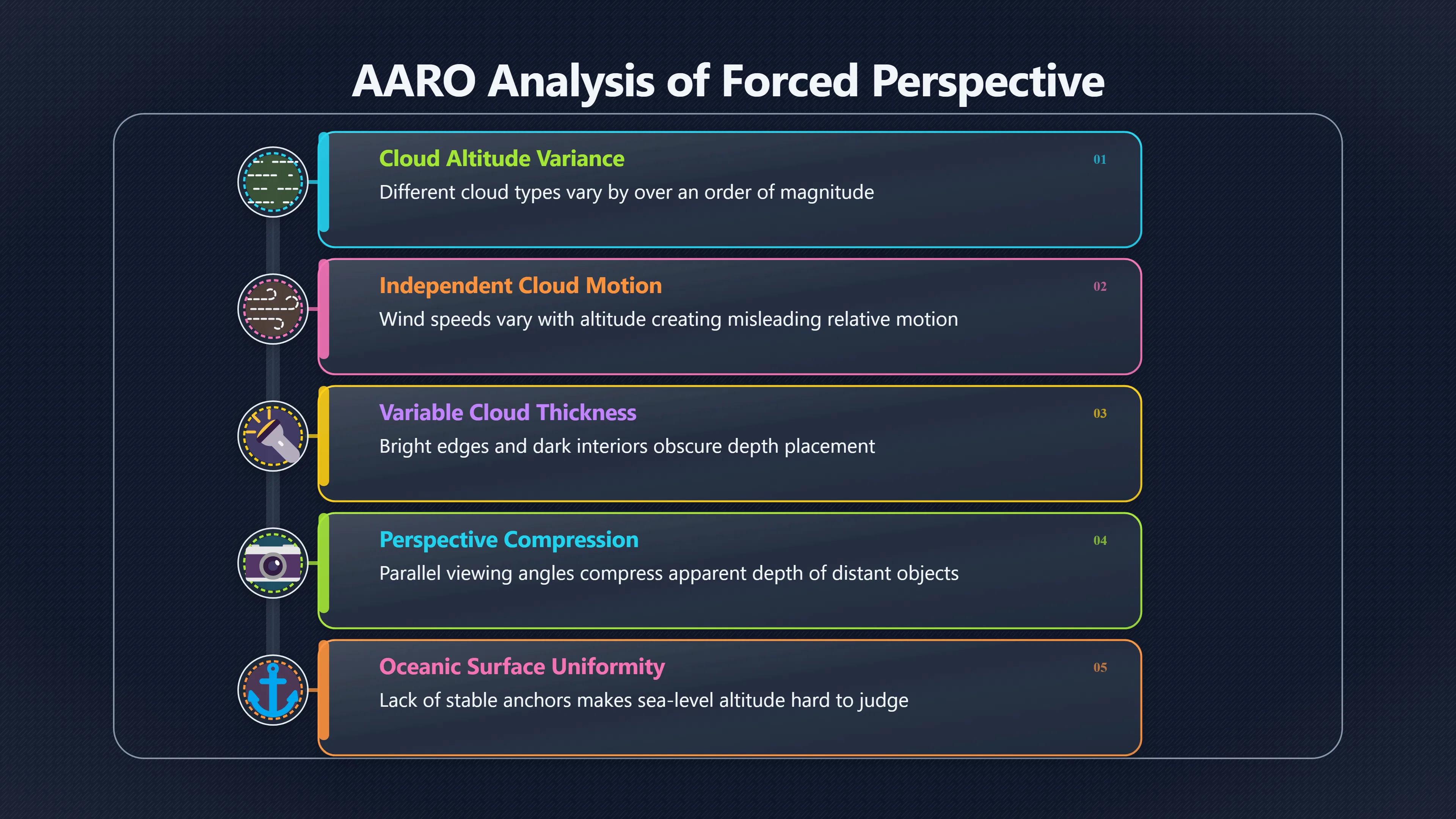
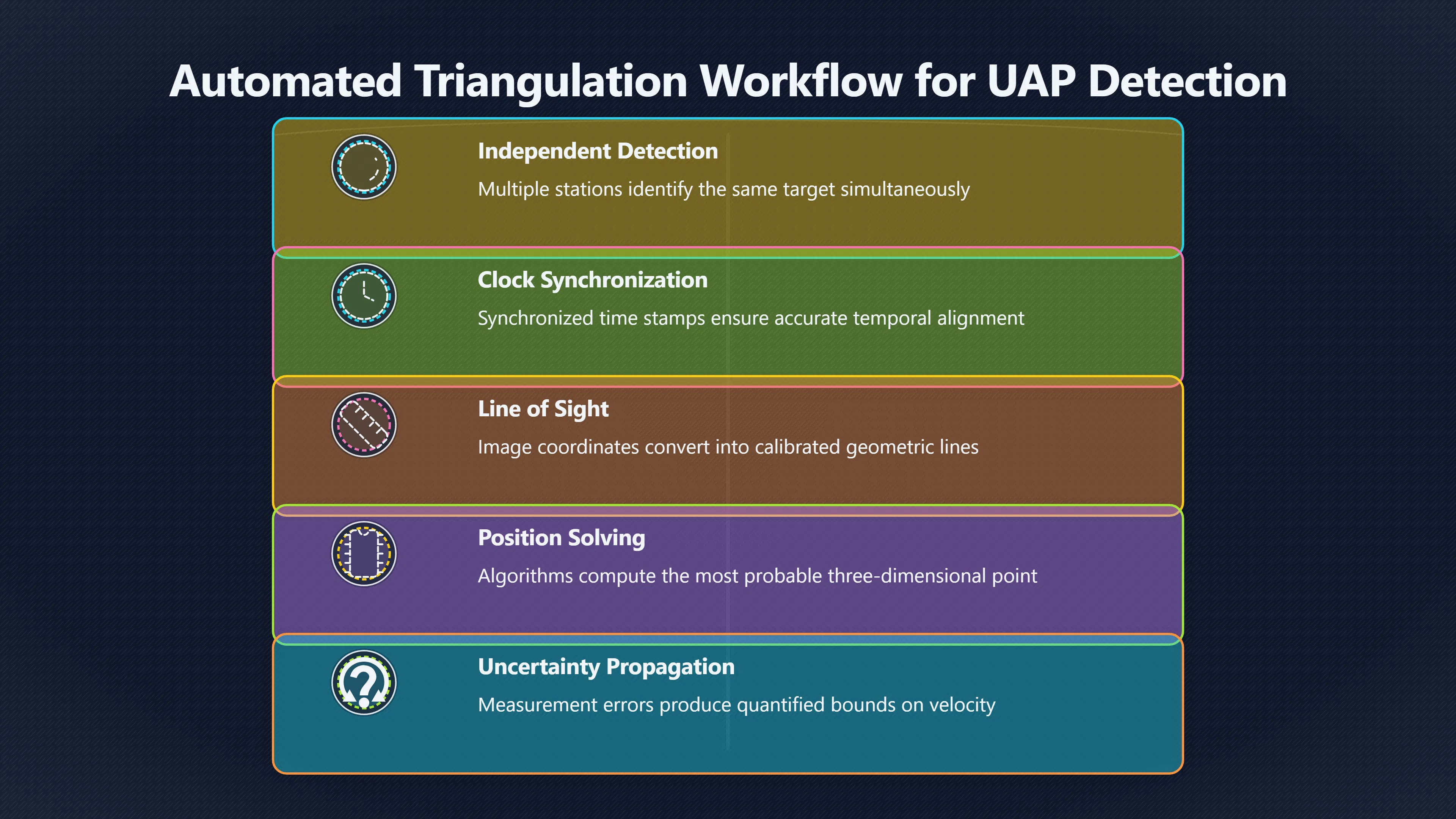

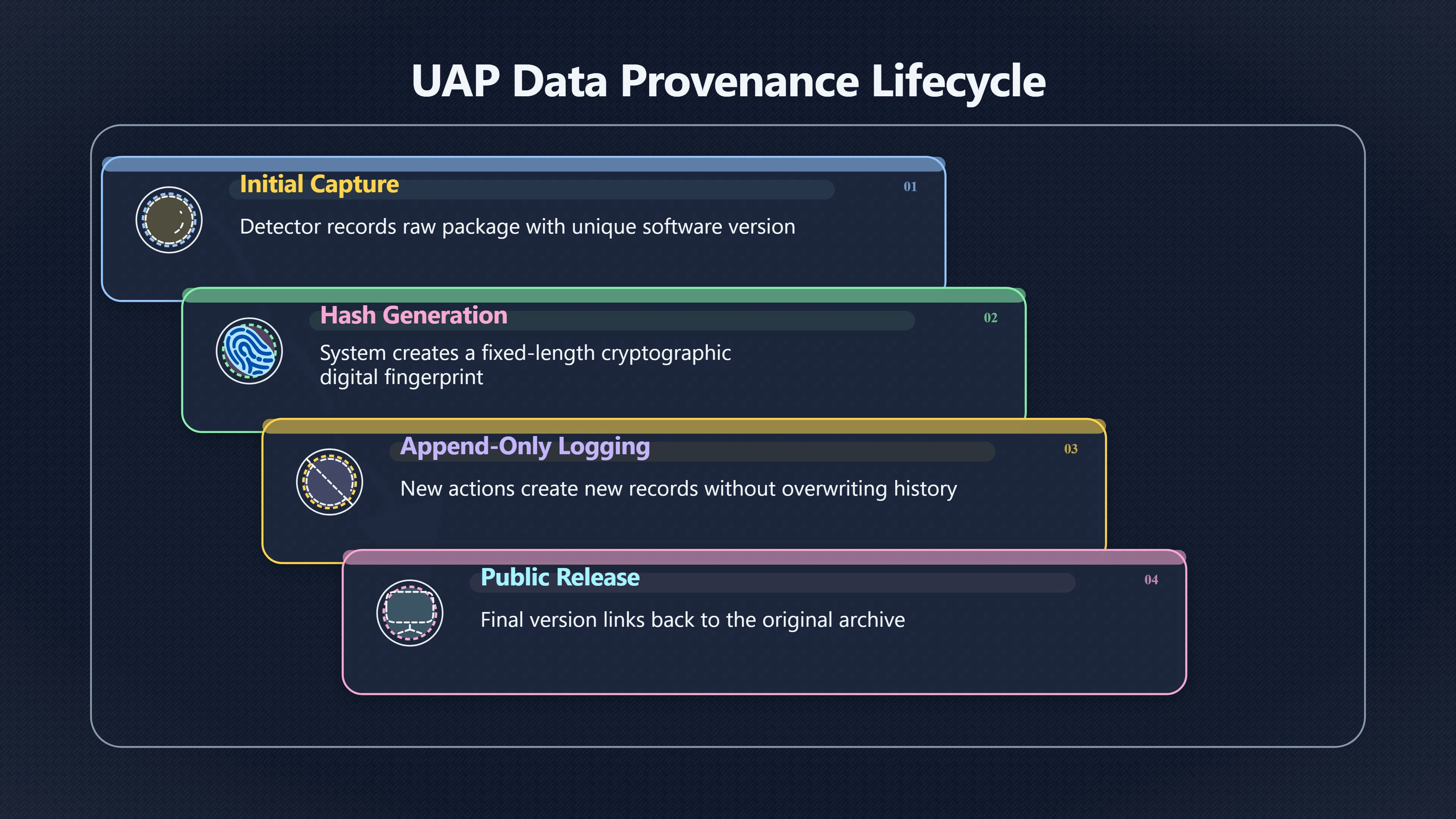
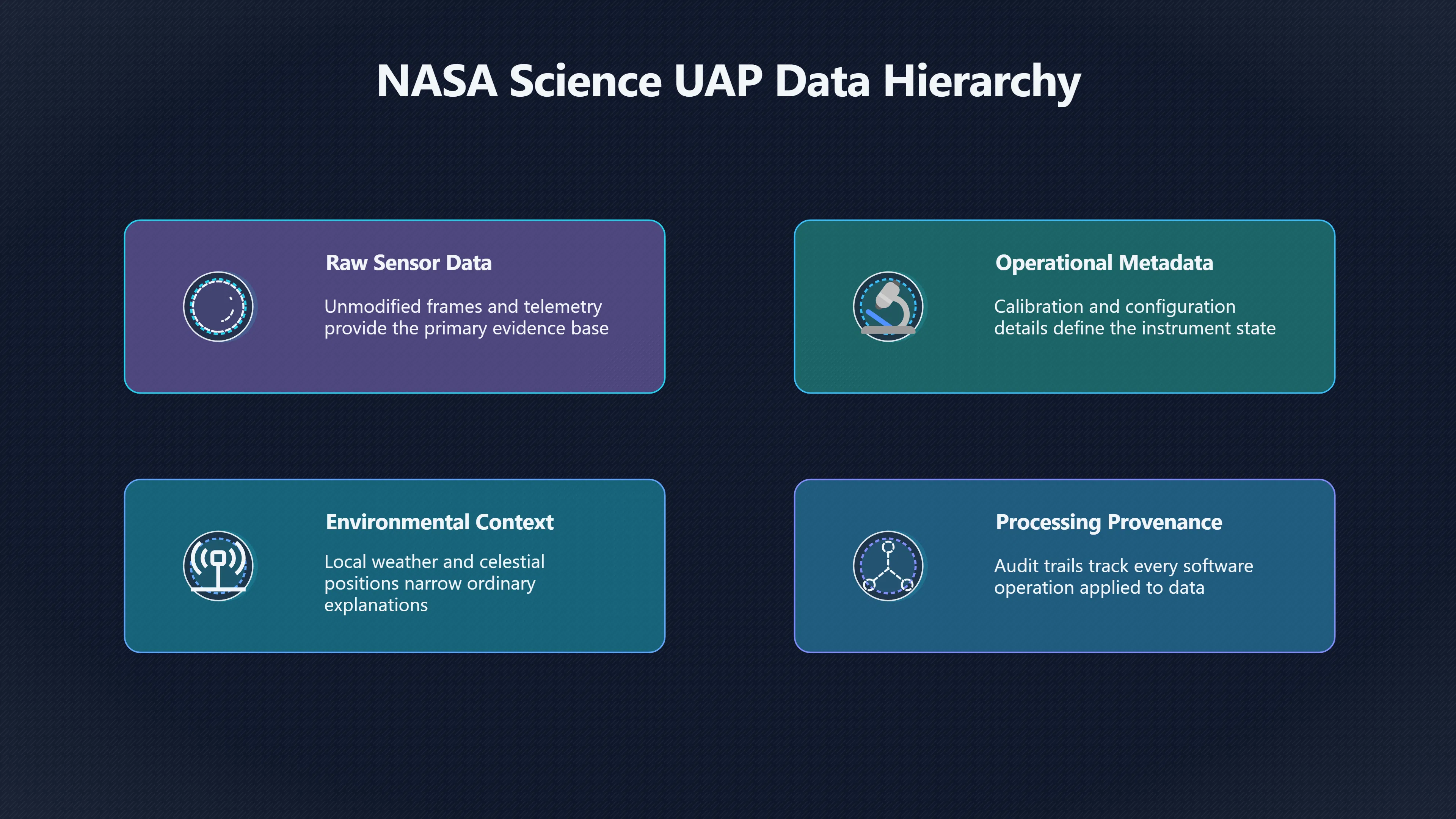
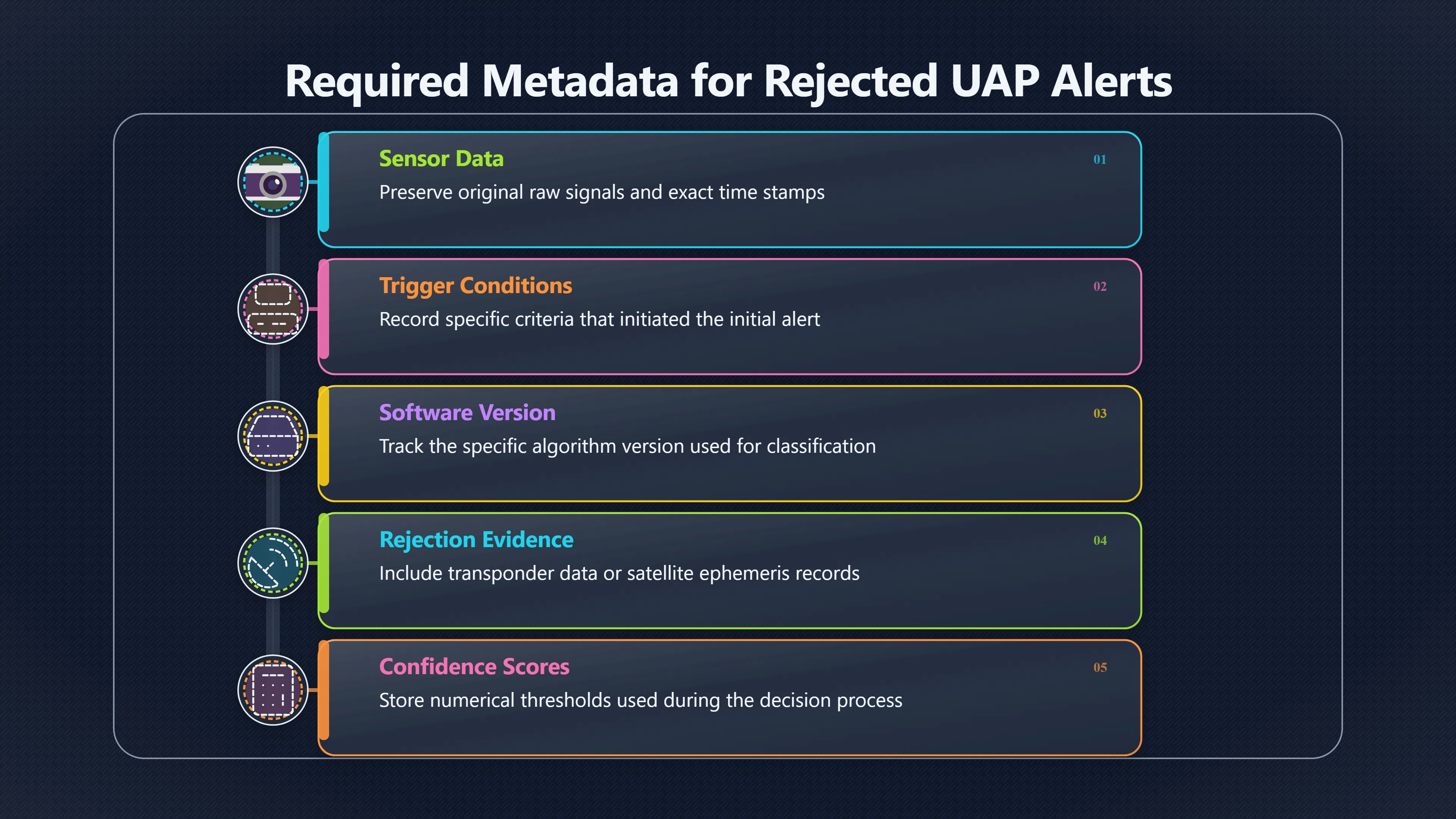
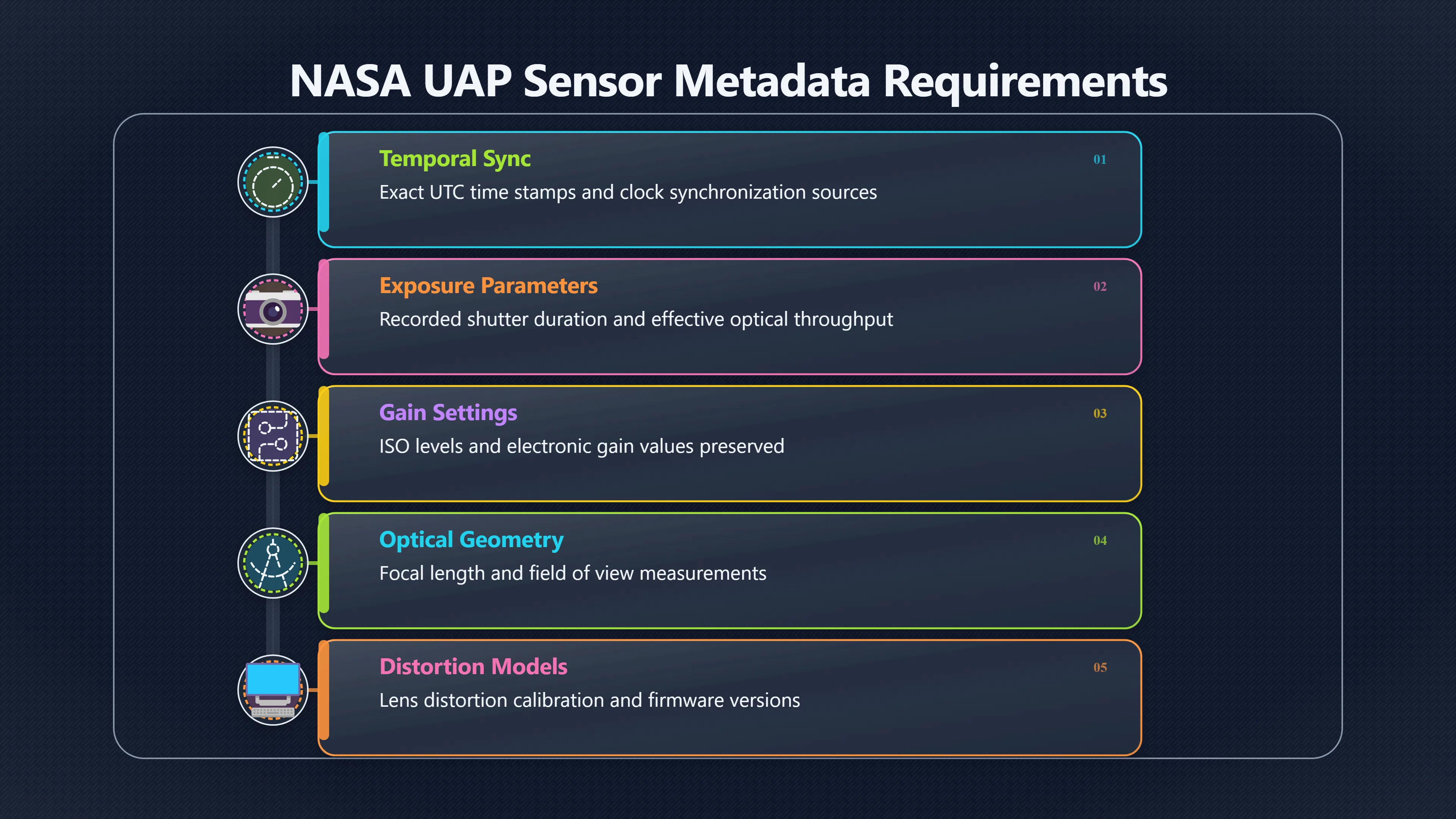
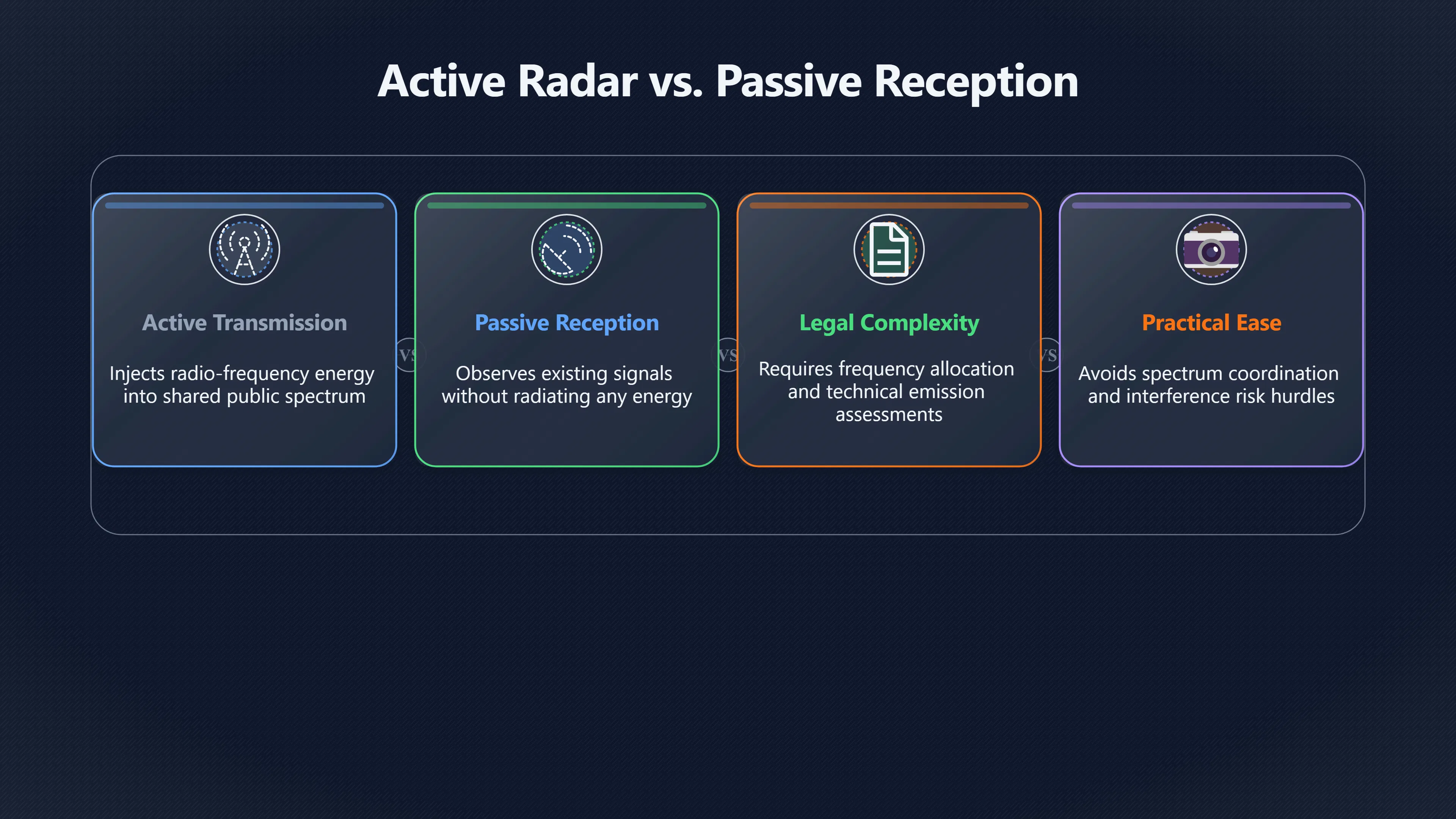
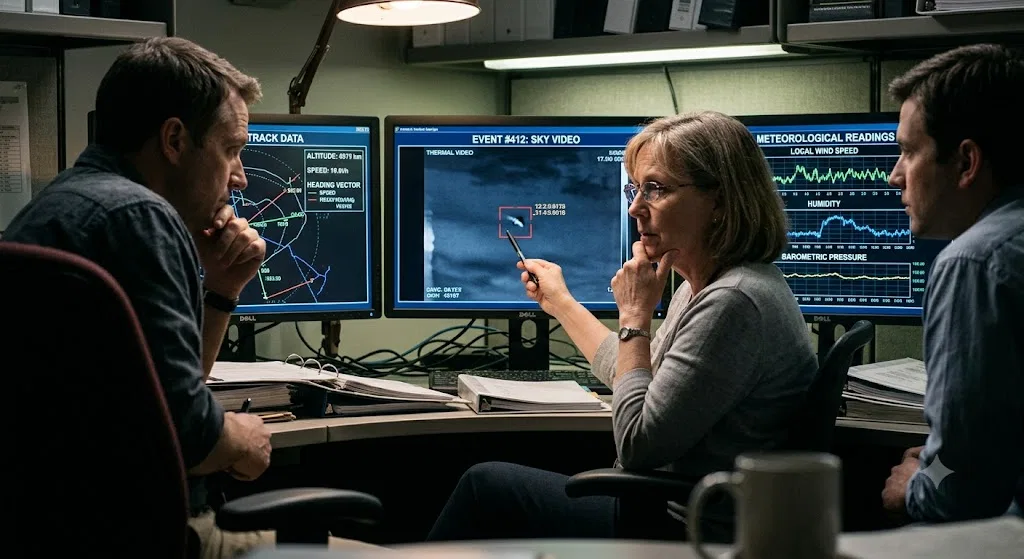
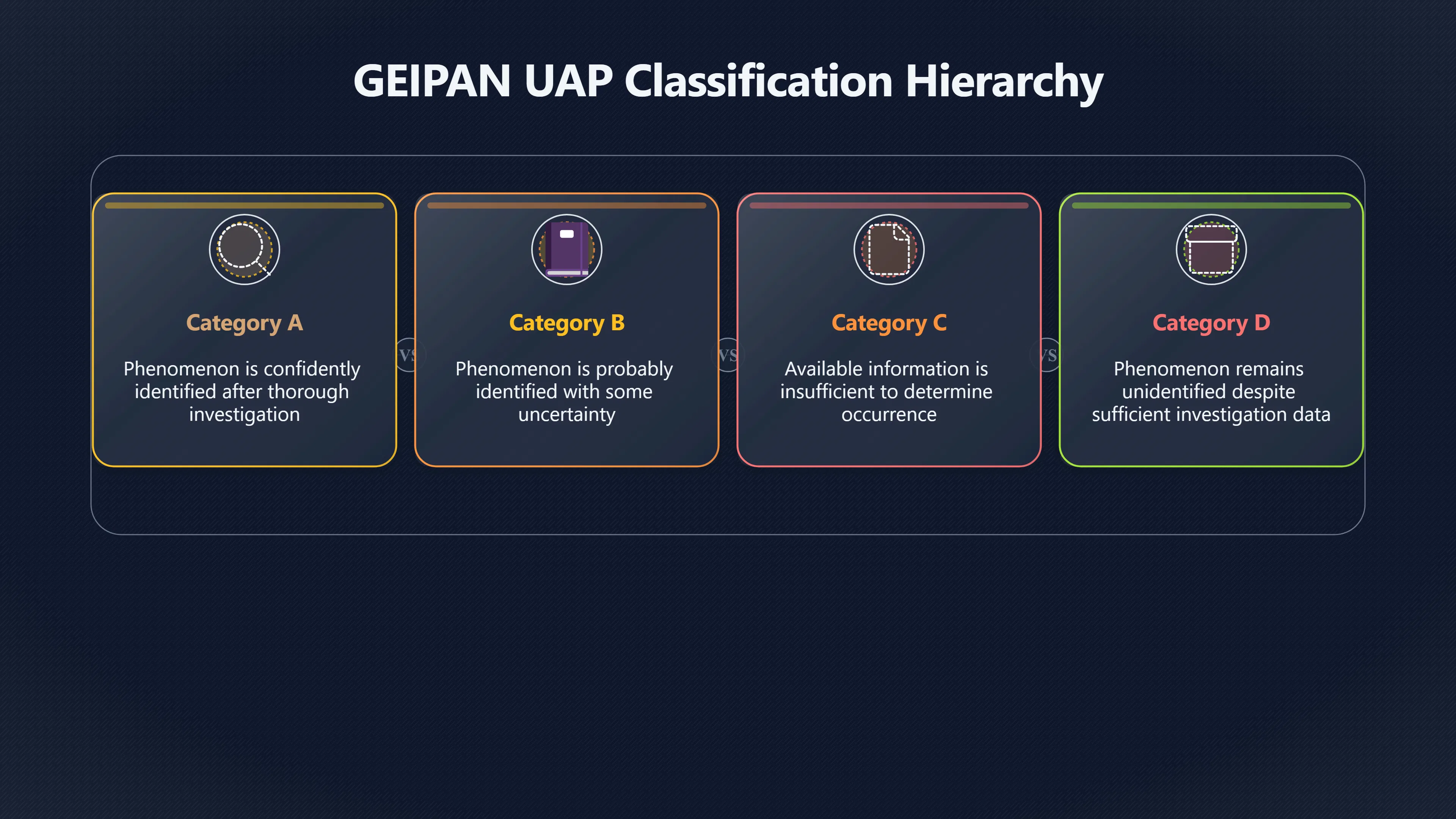
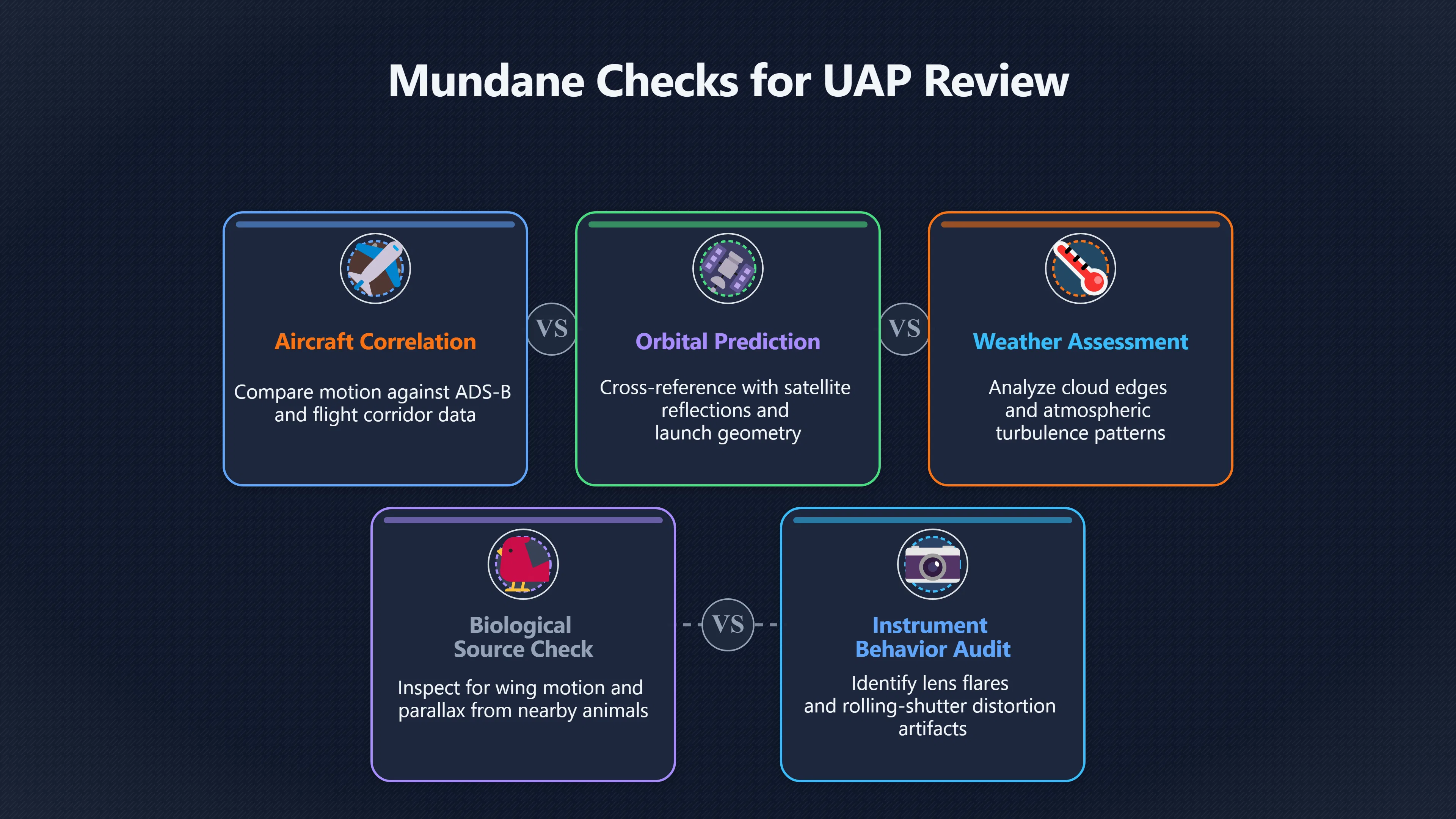
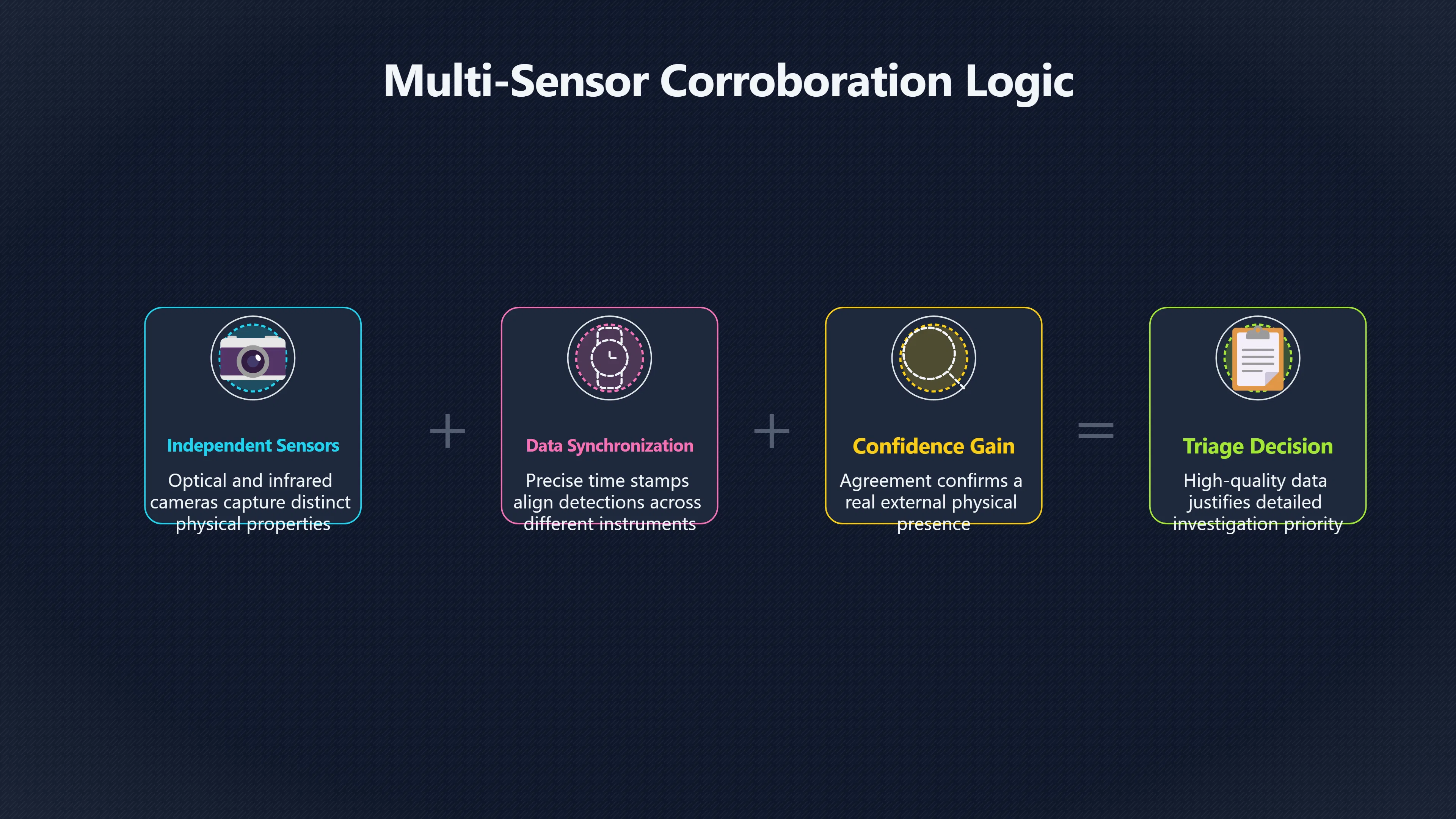
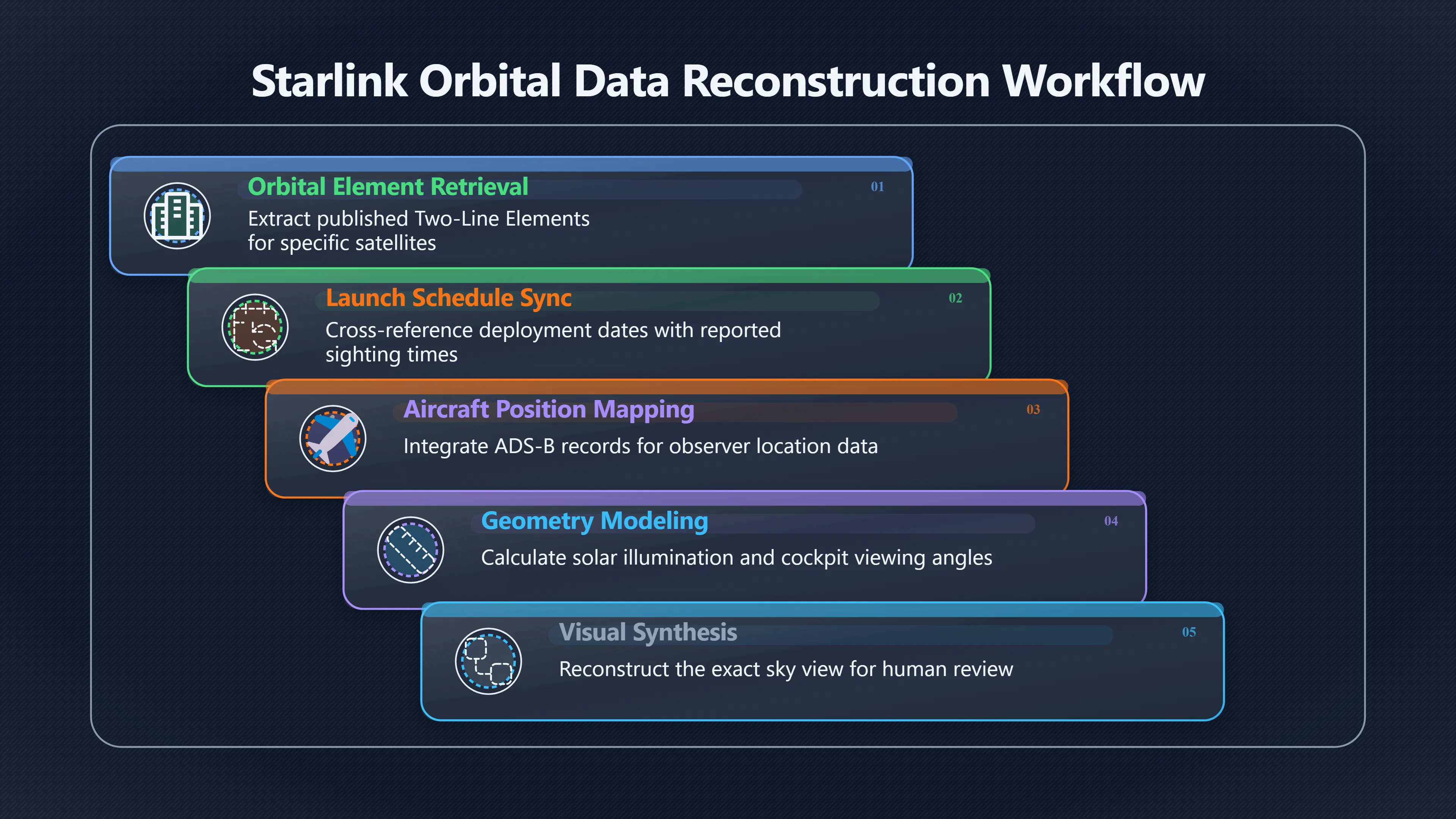
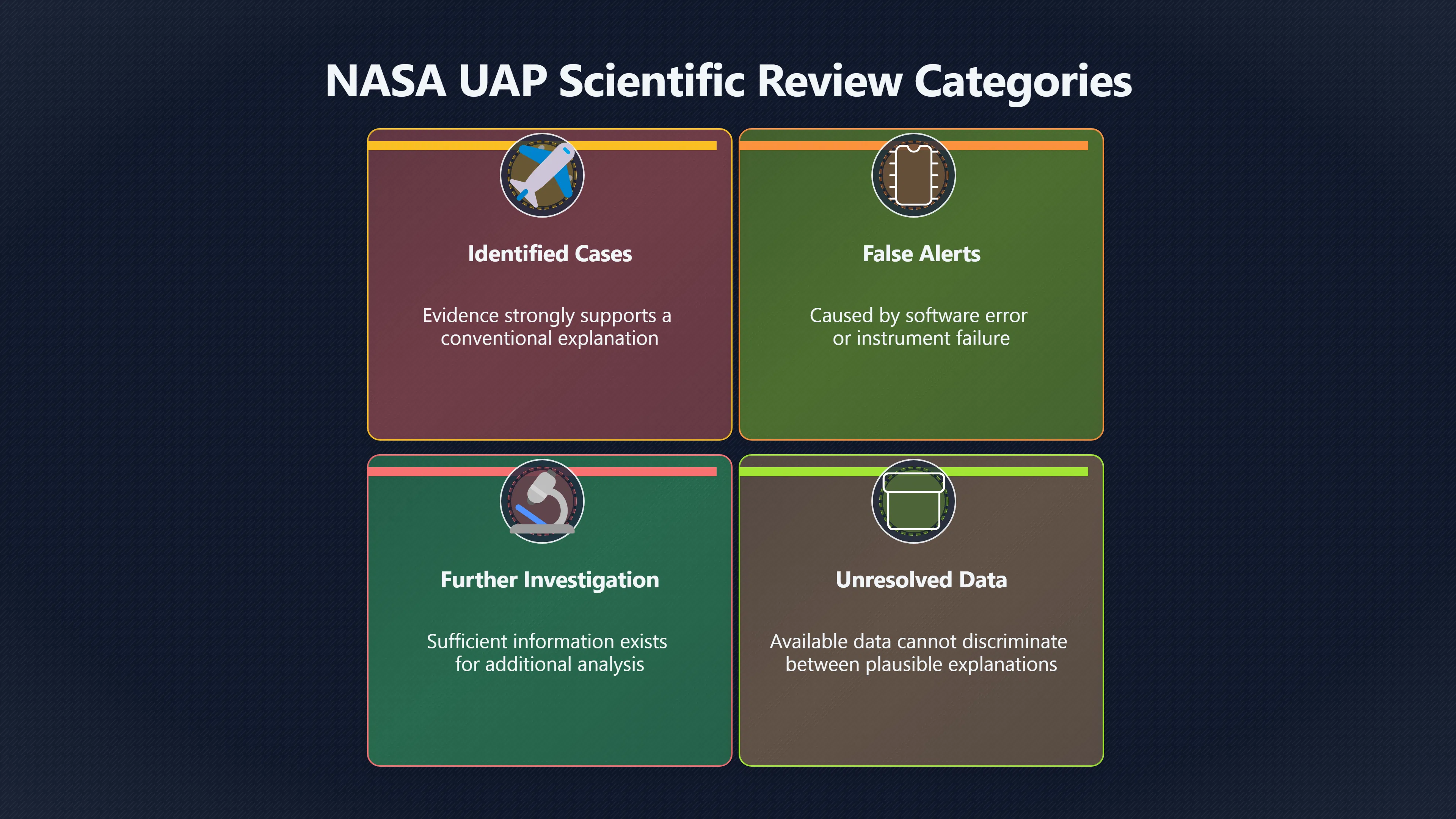
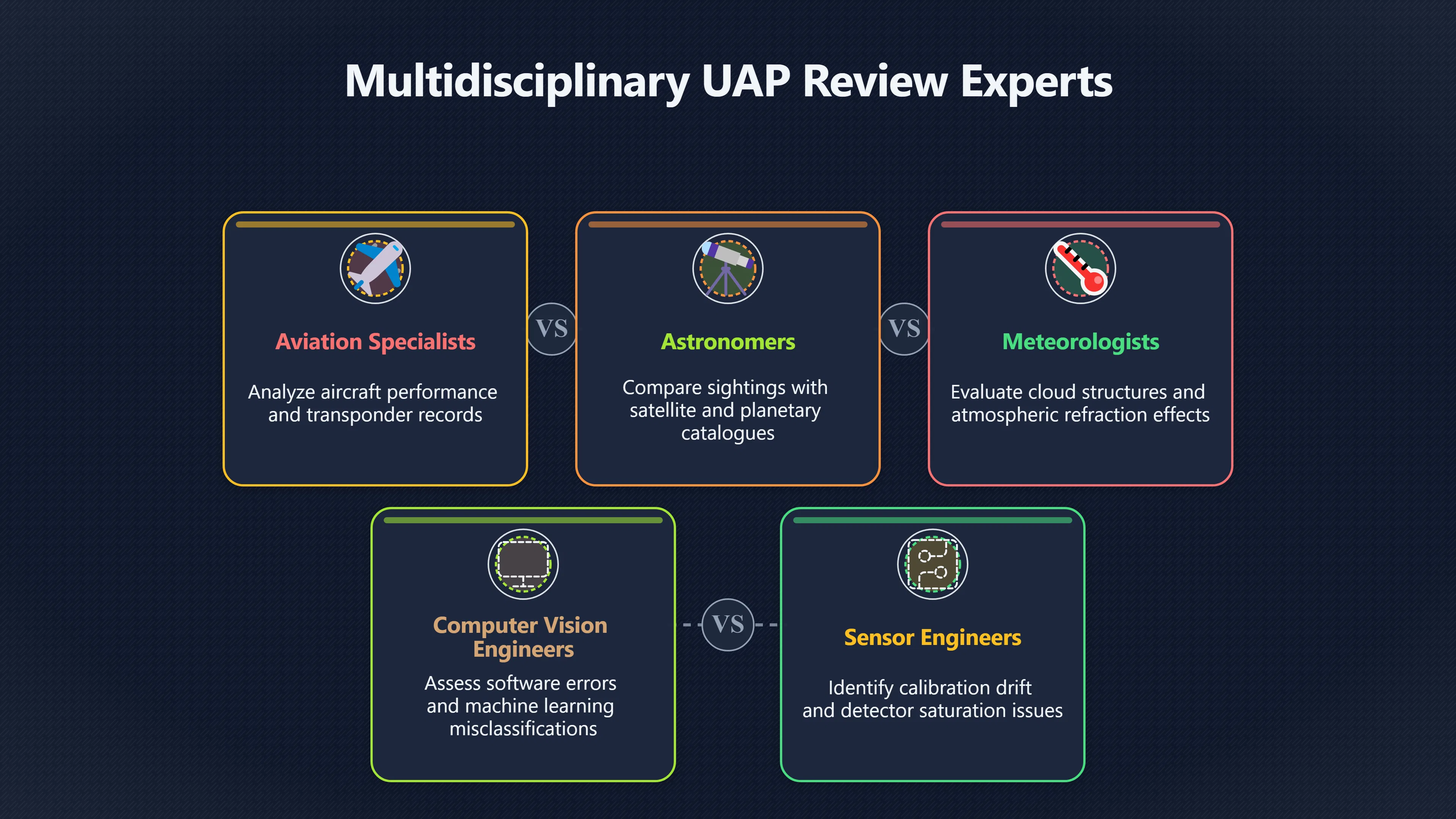
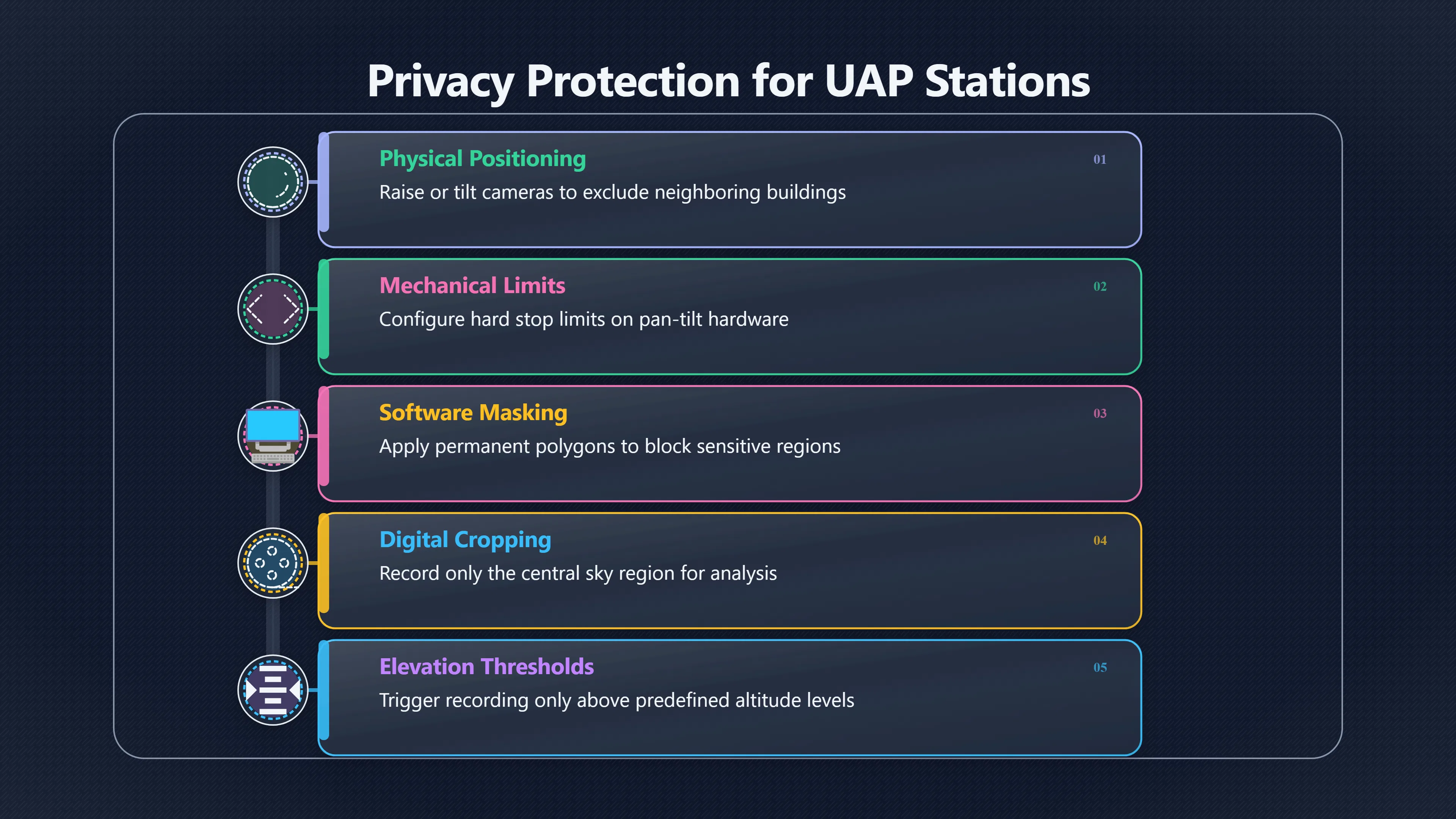
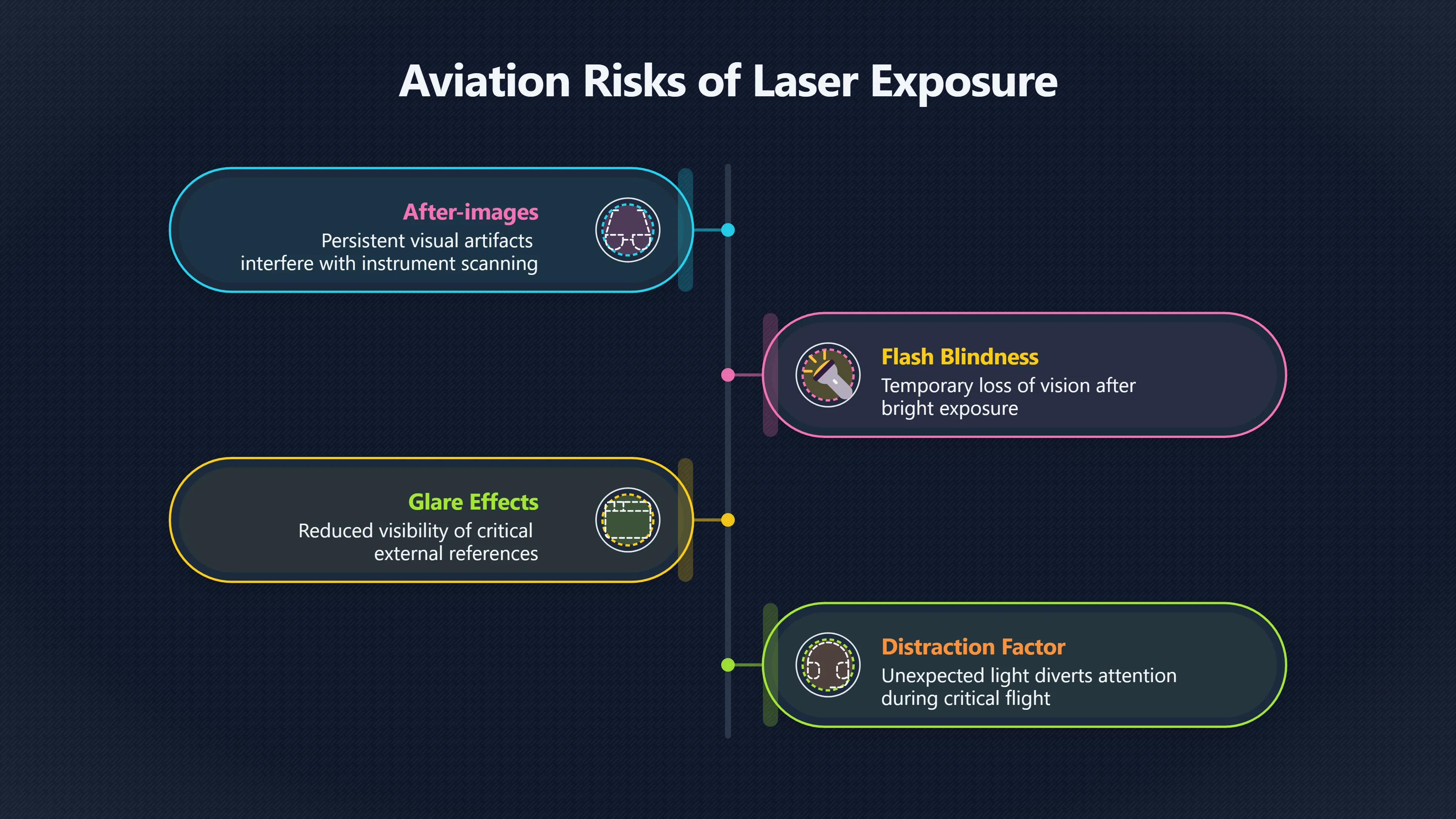
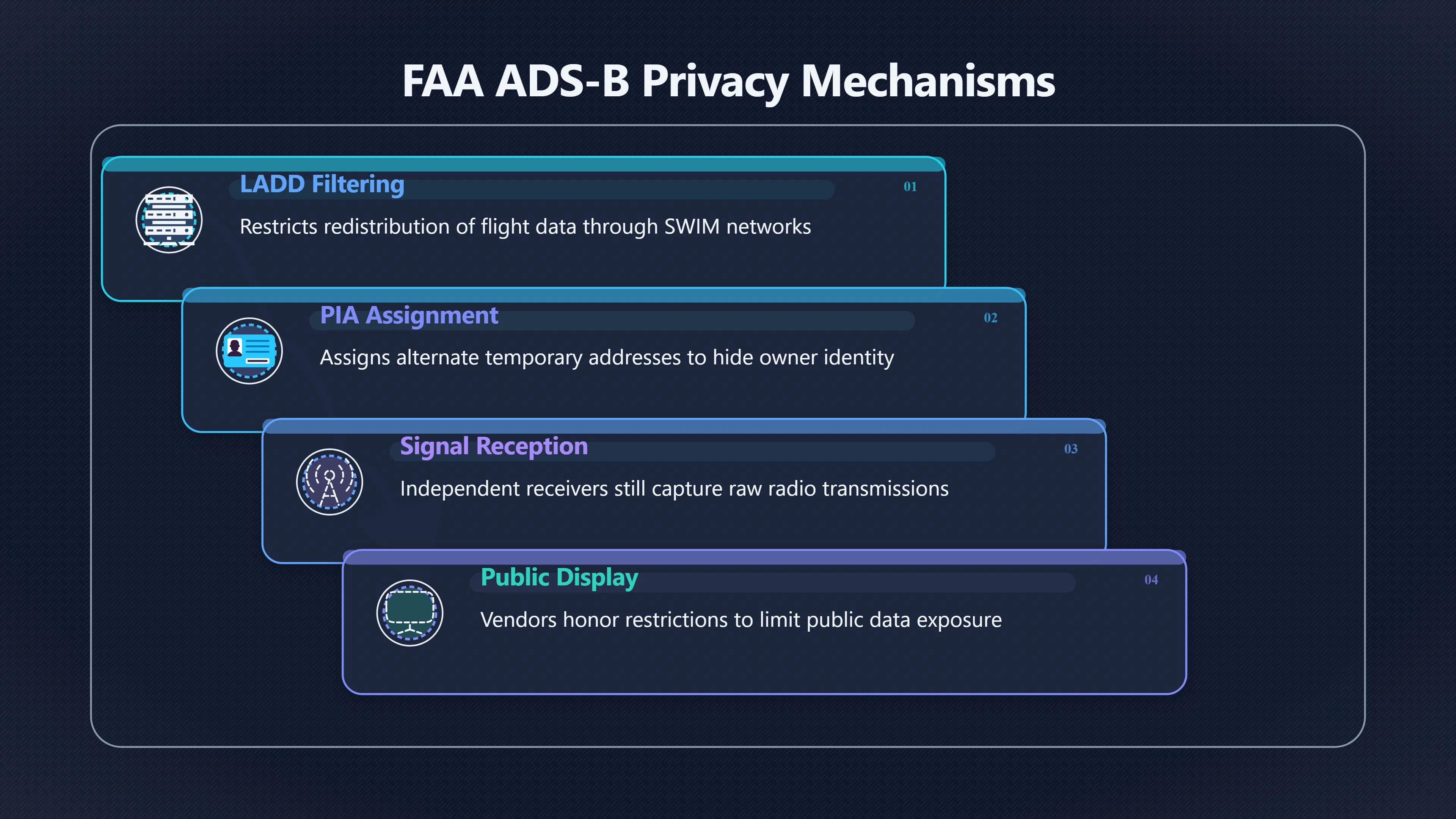

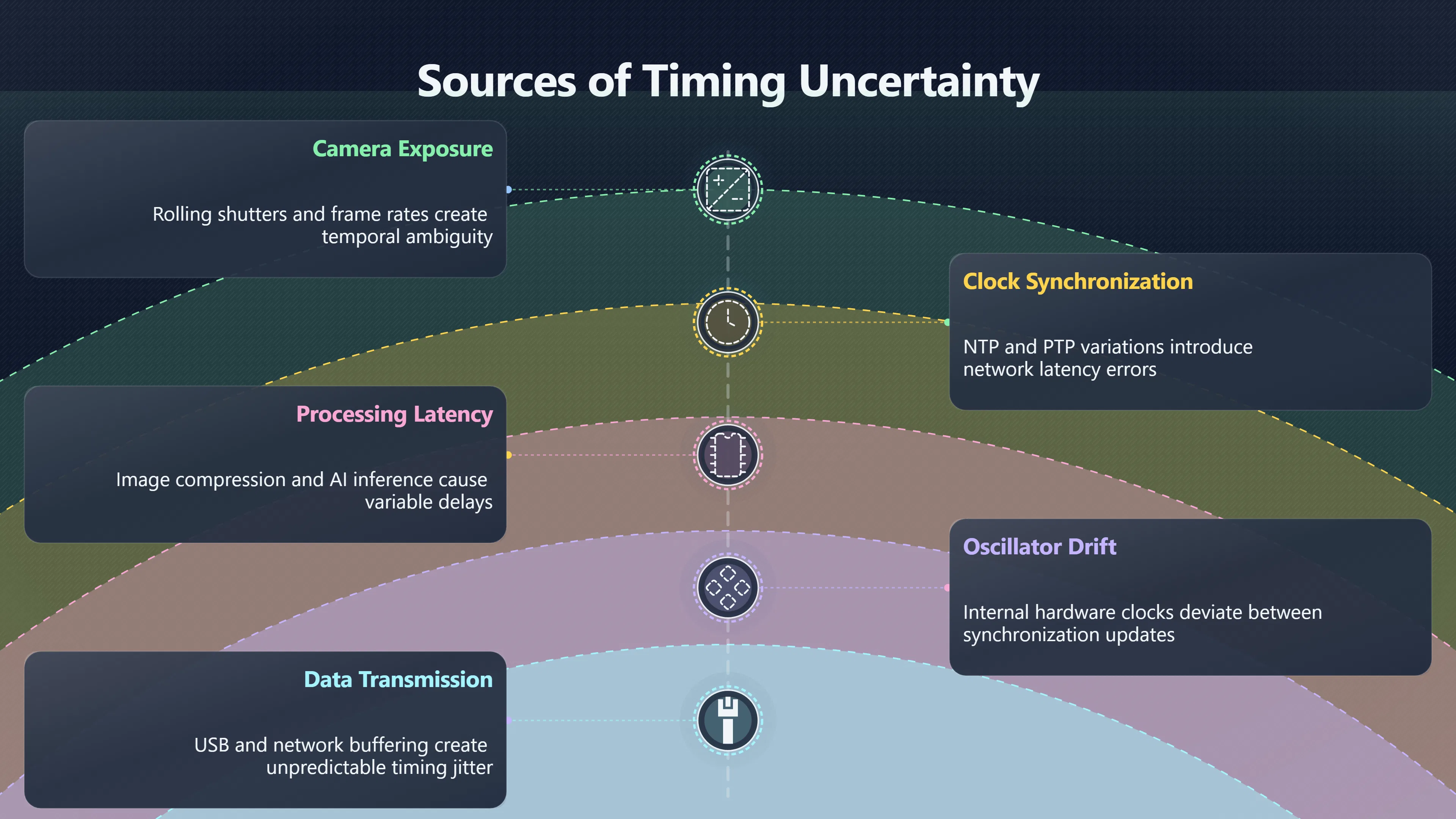
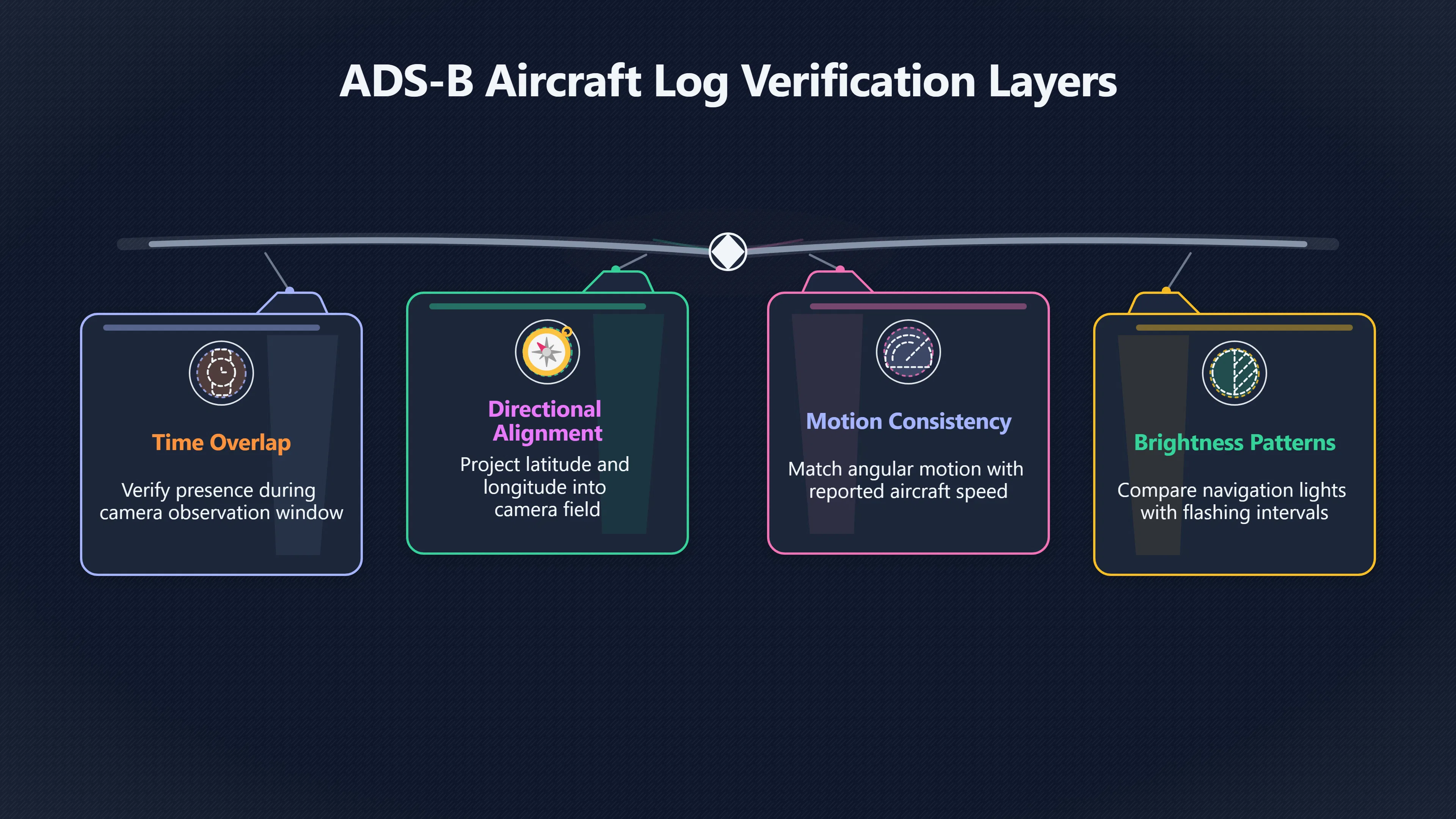
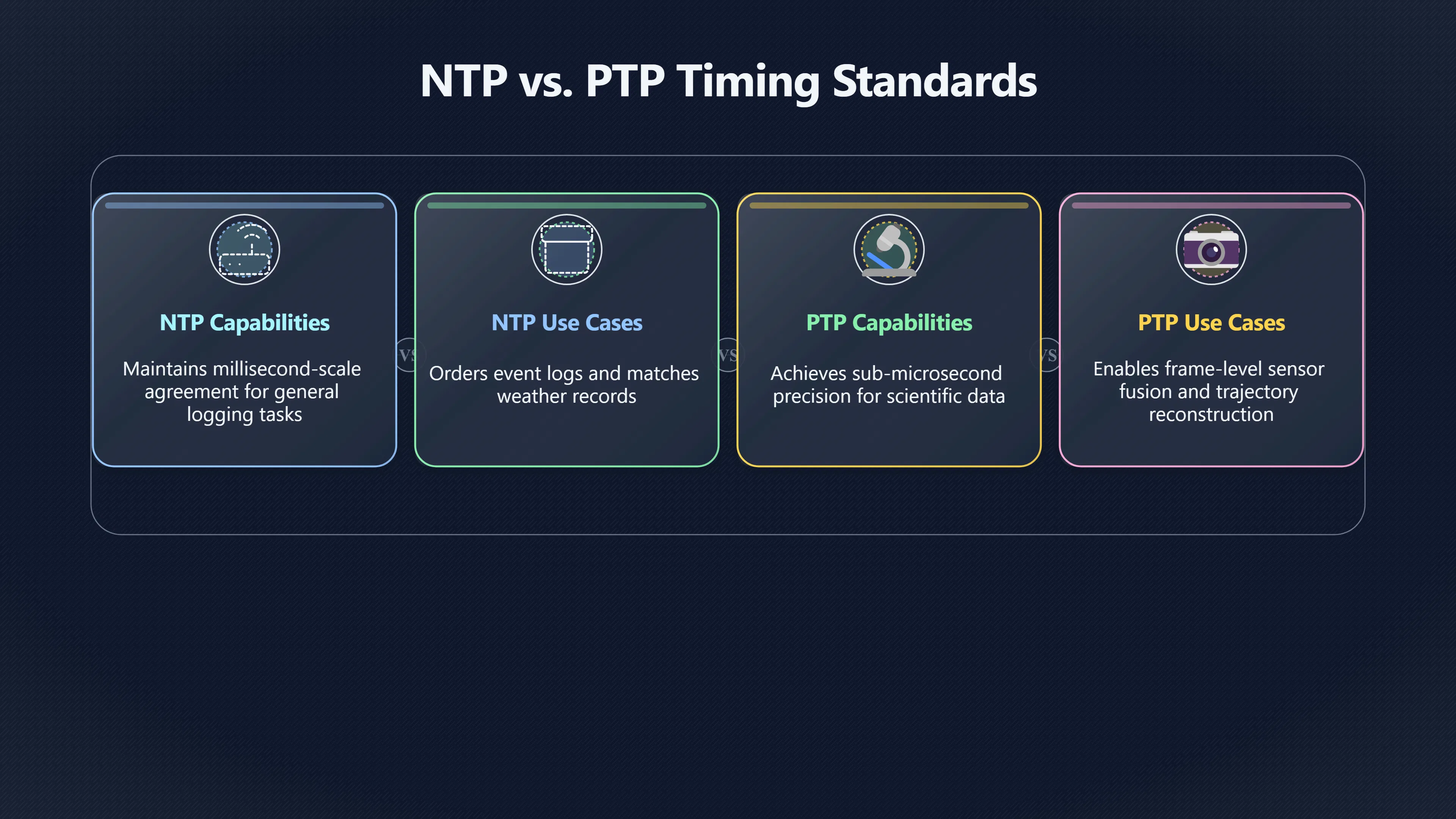
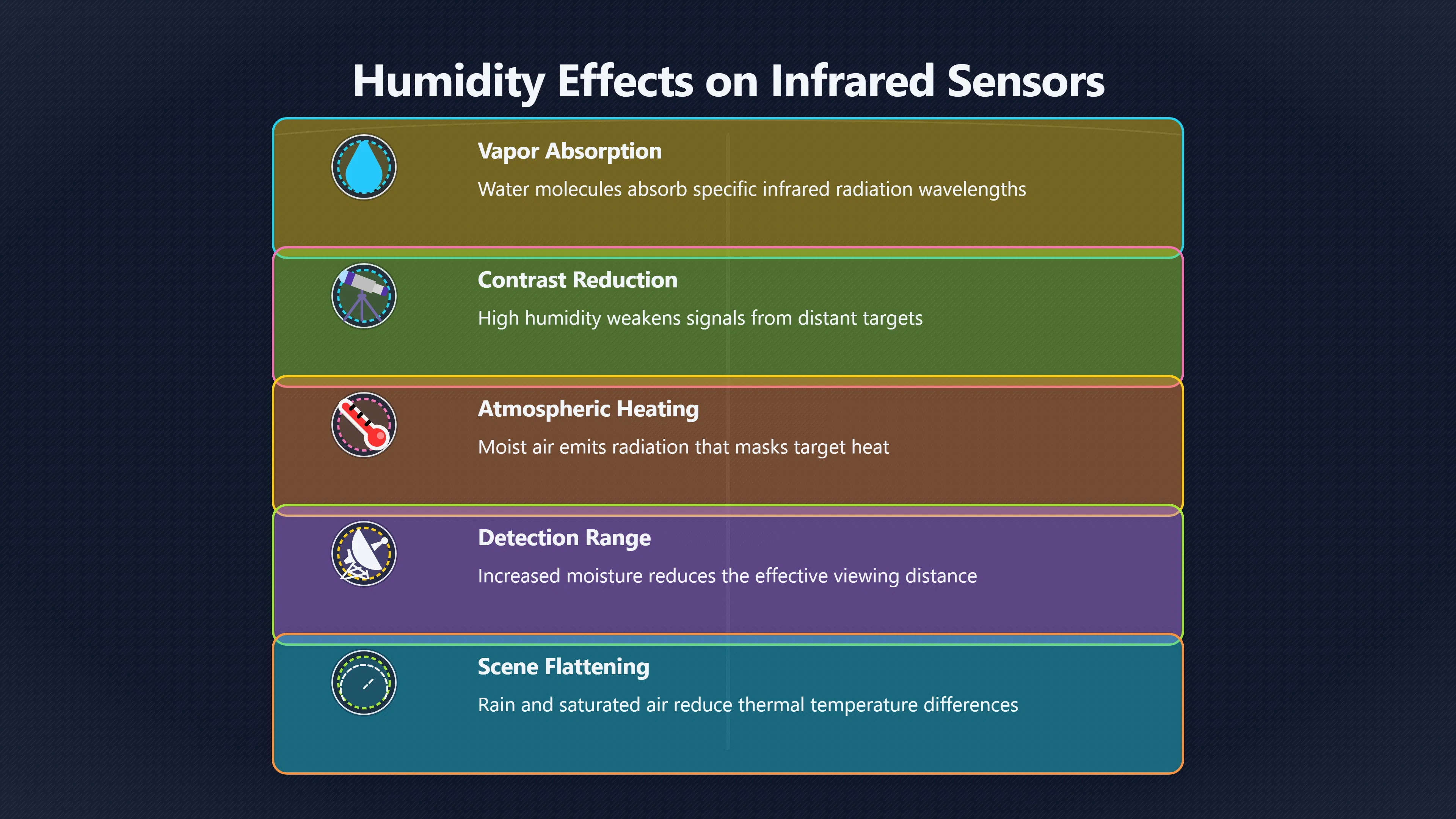
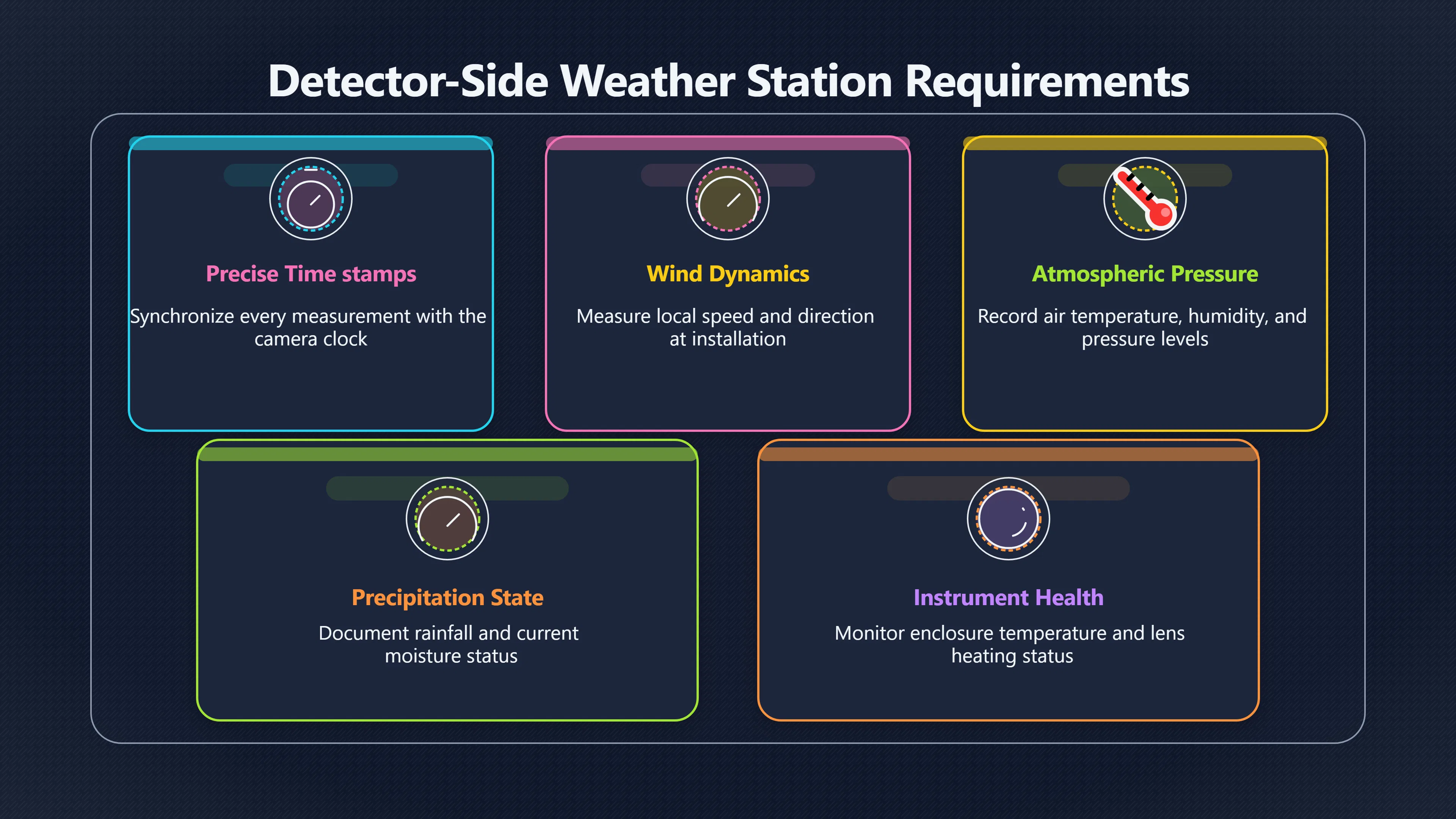
Expand all Collapse all Sky Detectors Can UFO Detectors Make Sightings Scientific? Automated instrumented UFO detectors are fixed or portable sensor systems designed to watch the sky continuously, detect unusual aerial events without relying on a human witness, and record enough supporting data to make later analysis possible. In today’s terminology, the target is usually called UAP, or unidentified anomalous phenomena, rather than UFO. 211 pages Read more Acoustics Can Sound Help Identify Sky Objects? Microphones can help distinguish silent lights, aircraft noise, drones, fireworks, and nearby ground activity. 7 pages +Show subtopics Read more Drone Buzz Can a Buzz Point to a Drone? Multiple microphones can turn a vague buzz into a bearing that can be compared with a camera track. Read more Aircraft Noise Does the Engine Fit the Light? Aircraft sounds arrive late and from earlier positions, so audio must be matched to video with timing and geometry. Read more Meteor Sound The Delayed Boom After a Meteor Very low-frequency sound can arrive after a bright meteor and help separate a distant shock event from a nearby aircraft or drone. Read more Fireworks Was the Flash Just Fireworks? Fireworks can mimic sky flashes, but their impulse patterns and ground direction often reveal a local source. Read more Audio Setup What Makes Sky Audio Trustworthy? A useful sky-station microphone setup needs calibration, time stamps, weather context and enough recording before and after each event. Read more Silent Lights When a Quiet UFO Is Not Silent A silent-looking light is not automatically strange because distance, delay and background noise can hide ordinary sound. Read more ADS B How Aircraft Tracking Filters UAP Alerts Aircraft tracking data helps detectors decide whether a bright moving object is unusual or just poorly recognized traffic. 7 pages +Show subtopics Read more Track Projection How Aircraft Tracks Land in Video Matching aircraft to video means turning reported positions into image locations, not just checking a separate flight map. Read more Data Sources Should UAP Stations Trust Flight Trackers? A local ADS-B receiver can preserve raw nearby traffic that public maps may delay, filter or miss. Read more Known Aircraft The Airliners That Test UAP Detectors Ordinary aircraft provide repeatable targets for measuring whether a UAP detector sees and explains the sky it already understands. Read more Decision Rules When Aircraft Data Should Close a Case Clear match labels help a station decide whether a detection is known traffic, unrelated traffic or still worth review. Read more No Match When No ADS B Match Misleads A missing ADS-B match can reflect coverage, equipage, filtering or timing limits rather than proof that a light was not an aircraft. Read more Timing Errors Why Seconds Matter in UAP Footage Small clock errors, ADS-B latency and update gaps can make a real aircraft look offset from the video detection. Read more Baselines Why Normal Sky Data Matters Most Knowing what normally happens above a site is the key to recognizing what is genuinely unusual there. 7 pages +Show subtopics Read more Sensor Mistakes The Baseline Should Record the Detector Too Long ordinary-sky records show not just what passes overhead, but how the detector fragments, misses, and invents tracks. Read more Weather Effects Weather Can Change the Detector Before the Sky Rain, humidity, clouds, Moon glare, and dirty lenses can change what a detector sees before any object in the sky becomes unusual. Read more 90 Day Runs What a 90 Day Sky Watch Can Learn A fixed-site collection over weeks or months can reveal local traffic, blind spots, and repeat artefacts before rare events are judged. Read more Missed Aircraft When Ordinary Aircraft Slip Through the Net A baseline archive must include known aircraft the system failed to match, because missed traffic can look more mysterious than detected traffic. Read more Satellites Why Repeating Satellite Tracks Matter Satellite passes can look strange in single clips, but repeated local records help show which tracks return predictably. Read more Low Horizon Why the Horizon Creates So Many False Mysteries Low-elevation lights are where aircraft, glare, distance, and light pollution most often turn ordinary traffic into puzzling tracks. Read more Buy or Build Should You Buy or Build a UFO Detector? Buyers and builders face a tradeoff between convenience, transparency, cost, community support, and scientific usefulness. 7 pages +Show subtopics Read more Reproducibility Can Another Builder Recreate Your Station? Open builds matter most when other people can copy the hardware, check the settings and compare ordinary sky failures. Read more Raw Data Can Your Detector Save the Evidence? A detector is more useful when it saves enough original imagery, logs and sensor context for later independent review. Read more Cost Tradeoff Does DIY Really Cost Less Than UFODAP? A cheap parts list can become expensive when enclosure work, tuning, storage and maintenance time are counted honestly. Read more Software Trust Should Sky Tracking Software Be Open? Commercial tracking can reduce setup work, while open code lets builders inspect thresholds, failures and updates directly. Read more Weatherproofing The Outdoor Problems That Break Sky Detectors Condensation, insects, dirty domes and heat can make a detector miss events or create false ones before the software matters. Read more Sensor Add ons What Extra Sensors Actually Add Magnetometers, weather sensors, GPS and radio receivers can enrich a sighting record, but they do not prove anything alone. Read more Calibration Why UFO Detectors Need Ordinary Planes Known aircraft are not distractions from UAP detection; they are essential calibration targets for serious sky sensors. 7 pages +Show subtopics Read more Weather Tests How bad weather tests sky cameras Routine planes let a detector measure how fog, rain, haze, twilight and humidity change what its cameras can actually see. Read more Moving Targets How planes turn pixels into sky measurements Known aircraft can turn a sky camera from a recorder into a measuring instrument by tying pixels to real directions and times. Read more Clock Errors The tiny timing error that can fake mystery Even good flight data can mislead a detector when camera timestamps, location records or pointing metadata are wrong. Read more Galileo Baseline What Galileo learned from ordinary planes The Galileo Project's aircraft dataset shows why ordinary planes are essential for measuring real detector performance, not just excluding false... Read more Missed Planes What missed planes reveal about UAP detectors Failure to detect ordinary aircraft is useful evidence because it exposes weather, range, size and software limits before rare events are judged. Read more Beyond Filtering Why matched planes should not just disappear ADS-B can identify ordinary aircraft, but its greater value is preserving known targets for detector testing and calibration. Read more Edge Computer Why UAP Detectors Need Computers On Site Automated stations need local computing to trigger cameras, preserve data, and avoid sending every boring frame for review. 7 pages +Show subtopics Read more Camera Handoff Can a detector react before the object is gone? Local computing lets a station move from wide detection to focused tracking while a short-lived sky event is still visible. Read more Health Checks Is the sky event real or the station misbehaving? A station should test weather, clock, camera motion and sensor status before treating a strange recording as an unexplained event. Read more UAPx Storage What one UAPx week says about data overload The UAPx Catalina campaign shows how quickly serious field sensors can collect vast untriggered material around a small amount of triggered video. Read more Trigger Rules When should a sky station hit record? A stronger trigger asks whether video, infrared, acoustic, radio, weather and aircraft data agree before an event is promoted. Read more Data Triage Why sky stations cannot upload everything High-volume stations need local triage because continuous multimodal recording can create more data than reviewers can use. Read more Pre Trigger Why the seconds before a trigger matter A rolling buffer can turn a late trigger into a complete event record by preserving what happened just before the alert. Read more False Positives What Fools UFO Detectors Most Often? Most sky alarms are ordinary things, so detector pages need to explain the common impostors before the rare events. 7 pages +Show subtopics Read more Starlink Trains How Starlink Trains Become UAP Reports A line of newly launched satellites can fool pilots and cameras at once when viewing geometry makes flares look nearby or controlled. Read more Ephemeris Checks The Satellite Check Every UFO Alert Needs Automated alerts should be compared with satellite positions and illumination before a bright moving light becomes a candidate event. Read more Near lens Bugs When Bugs Look Like Fast UFOs Tiny insects close to a camera can look like large fast objects when software treats angular motion as distance and speed. Read more Star Discs When Stars Turn Into Glowing Discs Stars near poor focus or lens edges can become glowing discs, making a fixed point seem like an object with size and structure. Read more Thermal Birds Why Birds Fool Infrared UFO Cameras Birds in infrared footage can appear as compact bright targets with abrupt motion, especially when wings are blurred or invisible. Read more Local Ecology Why Every UFO Camera Needs Local Wildlife Data A detector near water, trees or streetlights needs a local census of birds, bats and insects before it can flag unusual motion fairly. Read more Fixed vs Portable Should UAP Sensors Stay Put or Move? Fixed stations build baselines, while portable systems can chase hotspots, tests, and national-security needs. 7 pages +Show subtopics Read more Weatherproofing Can the Station Create the Mystery? Rain, heat, fog, insects, wind vibration, and poor weather-station placement can turn a detector into its own false-alert source. Read more Hessdalen What Hessdalen Proved by Staying Put Hessdalen shows how a permanent station can reveal not only recurring lights, but also which instruments are too noisy to trust. Read more UAPx Limits What UAPx Learned the Hard Way The UAPx Catalina expedition showed that mobile multi-sensor work can collect rich data while still missing crucial corroboration. Read more Fixed Baselines When Does a Fixed Station Earn Trust? A fixed station becomes useful when repeated ordinary sky records make later strange events easier to judge. Read more GREMLIN Why GREMLIN Watches the Ordinary First GREMLIN shows why deployable UAP sensors may need weeks of ordinary traffic before unusual activity can be interpreted. Read more Portable Hotspots Why Move a Detector to the Mystery? Portable stations are strongest when reports, tests, exercises, or security concerns make one location suddenly important. Read more Galileo What Would an Academic UAP Observatory Measure? The Galileo Project is the clearest example of treating UAP as an observatory problem rather than a witness-report problem. 7 pages +Show subtopics Read more Edge Compute Can Galileo Catch Events Before They Vanish? Galileo's on-site computing is meant to catch brief aerial events, coordinate sensors and preserve the records needed for later review. Read more Sky Census What Half a Million Sky Tracks Revealed Galileo's early Dalek data showed that ordinary sky monitoring produces huge datasets, many false leads and few confidently strange cases. Read more Weather Noise When Weather Becomes a UAP Problem Rain, humidity, dust, visibility and treelines can turn routine sky monitoring into a noisy detector full of weak or broken tracks. Read more Provenance Why a UAP Clip Is Not Enough A Galileo event is only scientifically useful if the raw data, software steps, calibration state and sensor settings can be traced afterward. Read more Photo Policy Why Galileo Does Not Take UFO Photos Galileo does not take public UFO photos because its evidence standard depends on calibrated sensors, known settings and comparable metadata. Read more Aircraft Checks Why Ordinary Aircraft Help Test Galileo Known aircraft positions let Galileo test whether its cameras point correctly and whether detected tracks match real objects in the sky. Read more GREMLIN What Does Government Grade UAP Sensing Add? AARO's GREMLIN prototype shows how government UAP work is shifting toward planned sensor collection. 7 pages +Show subtopics Read more Sensor Fusion Can Multiple Sensors Make UAP Evidence Clearer? GREMLIN's value comes from comparing several imperfect sensors instead of asking one camera or radar track to carry the whole case. Read more Case Gaps The UAP Problem GREMLIN Is Built To Fix AARO's FY2024 case totals show why thin records, not exotic explanations, are often the main obstacle to resolving UAP reports. Read more Partner Network Who Checks GREMLIN's UAP Evidence? GREMLIN sits inside a wider review system involving laboratories, aerospace specialists, radar data, materials analysis, and open-source research. Read more False Targets Why Better Sensors Still See False UAPs Even government-grade sensors must sort ordinary targets and imaging artefacts before treating an event as truly unresolved. Read more 90 Day Test Why GREMLIN Watches Before It Judges A 90-day baseline can reveal what normal traffic, wildlife, weather, and sensor noise look like before a UAP alert is judged unusual. Read more Security Sites Why Sensitive Sites Complicate UAP Evidence Sensitive sites are where unidentified objects matter most, but classification and operational security can limit what the public ever sees. Read more Hessdalen What Did Hessdalen Teach UFO Detectors? Hessdalen shows what decades of fixed monitoring can reveal and why recorded lights still may not settle an origin. 7 pages +Show subtopics Read more Trigger Rules How the Blue Box Chose a UFO Event The first Hessdalen station turned sky watching into software thresholds, saving only lights that met size, brightness and motion rules. Read more Blind Spots The Blind Spots in Hessdalen's Sky Watch The station's limited view, hills and sensitivity limits made its records useful but not a full census of every light in the valley. Read more Light Patterns What Years of Hessdalen Records Revealed Years of AMS records suggested winter and late-night clustering, while also revealing how much filtering ordinary sky activity requires. Read more Fixed Watch Why a UFO Hotspot Needed a Permanent Watch A fixed station gave Hessdalen a way to watch an intermittent valley phenomenon that short field trips could easily miss. Read more Second Site Why One Camera Was Not Enough A second observing position 171 metres away addressed the first station's biggest weakness: one camera could not measure distance. Read more False Alarms Why Ordinary Lights Had to Be Hidden Masking roads and houses showed how local geography can keep ordinary lights from overwhelming an automated UFO detector. Read more Hotspots Should UFO Detectors Watch Hotspots or Everywhere? A station at a famous location may catch repeats, while wider networks ask whether anomalies are broader than local stories. 7 pages +Show subtopics Read more Hotspot Value Do UFO Hotspots Really Give Better Data? Hotspots can raise the chance of repeat detections, but they also risk turning local reputation into biased evidence. Read more Station Tradeoffs Hotspot Stations or Citizen Sky Networks? A full hotspot instrument suite can chase repeat events, while citizen networks trade depth at one site for comparable coverage across many skies. Read more NASA Baseline What NASA Changed About UAP Evidence NASA's UAP study shifts attention from isolated sightings toward calibrated sensors, metadata and baseline data. Read more One Station When One UAP Station Is Not Enough Single-site detections can be intriguing, but distance, altitude and identity often require corroboration from other sensors or stations. Read more Hessdalen Why Hessdalen Still Matters for UAP Detectors Hessdalen shows why a repeatedly reported valley can be a useful instrumented test bed without proving a global UAP pattern. Read more Baselines Why Ordinary Skies Matter to UAP Detectors Distributed stations make anomalies more meaningful by measuring the normal background of aircraft, satellites, weather and wildlife. Read more Infrared What Infrared Adds to UAP Detection Infrared arrays can watch the whole sky at night and reveal heat signatures that ordinary cameras may miss. 7 pages +Show subtopics Read more Weather Limits How Weather Turns Infrared Into Guesswork Fog, rain, humidity, dust and dirty optics can make infrared systems miss aircraft or misread ordinary sky clutter. Read more Dalek Census What Galileo's Infrared Sky Census Found The Galileo Project's Dalek results show a sky full of ordinary tracks before any claim of anomaly becomes meaningful. Read more Testable Clips What Makes Infrared UAP Footage Testable Thermal video needs timing, pointing, weather, sensor settings and calibration records before it can support serious review. Read more Thermal Ambiguity Why Heat Alone Does Not Identify a UAP A heat signature can prove something crossed the sky, but it often cannot reveal distance, size or identity on its own. Read more Array Coverage Why One Thermal Camera Is Not Enough Multiple infrared cameras trade simplicity for coverage, giving a station a better chance of recording unpredictable night-sky tracks. Read more Aircraft Calibration Why Ordinary Planes Make Better UAP Data Known aircraft can become calibration targets that reveal whether an infrared station is pointing and detecting correctly. Read more Magnetometers Do Magnetic Sensors Help UAP Detection? Magnetic sensors are sometimes included, but their value depends on careful baselines and sceptical interpretation. 7 pages +Show subtopics Read more Compass Claims Do old compass stories justify magnetometers? Historical electromagnetic-effect reports explain why magnetometers appear in detector designs, but they do not prove a reliable UAP signature. Read more Space Weather Is the anomaly local or space weather? Regional geomagnetic storms can imitate local mystery signals unless stations compare their data with observatories and geomagnetic context. Read more Galileo Test What Galileo learned from magnetic monitoring The Galileo variometer work shows that the hard part is not finding spikes, but proving a station can separate ordinary geomagnetic behavior from... Read more Credible Spike When is a magnetic spike worth attention? A magnetic spike only becomes meaningful when it is local, time-locked to another detection, checked against equipment faults, and archived with... Read more Quiet Site Why magnetometer placement can make or break data A useful magnetic channel depends on quiet siting, non-magnetic mounting, weather protection, orientation control, and careful installation logs. Read more Baselines Why one magnetometer is not enough Nearby certified geomagnetic records help distinguish real regional variation from sensor drift, local noise, or a detector-site mistake. Read more Metadata Why Strange Clips Need More Context Without time, location, pointing, settings, and provenance, even dramatic sky footage can be nearly impossible to analyse. 7 pages +Show subtopics Read more Custody Can a UFO Clip Survive the Sharing Chain? A clear chain of custody shows what was captured, what was processed and whether analysts are studying the observation or a derivative file. Read more Timestamps Can the Clock Solve a UFO Video? An accurate timestamp lets analysts compare a sighting with aircraft, satellites, meteors, weather and other sky records. Read more Camera Effects Is the UFO in the Sky or Camera? Zoom, autofocus, exposure, stabilisation and infrared modes can make ordinary lights look like blobs, discs, jumps or pulsing objects. Read more Weather Context Was the UFO Actually Weather Context? Clouds, wind, humidity, smoke and turbulence can change how distant lights and small objects appear in sky footage. Read more Pointing Where Was the Camera Really Pointing? A light facing west at sunset, north over an airport or upward near clouds leads analysts toward very different candidate explanations. Read more Original Files Why Reposted UFO Clips Lose Their Evidence A copied or cropped UFO video can lose the camera data, frame history and context needed to test what the viewer is seeing. Read more Multi Sensor Why One Camera Is Not Enough A real UAP detector is strongest when cameras, radio, sound, weather, and position data check one another. 7 pages +Show subtopics Read more ADS B Checks The Aircraft Data That Solves Many Mysteries Aircraft broadcasts help detectors identify routine traffic, calibrate camera geometry and avoid turning every unknown dot into a mystery. Read more Infrared What Heat Cameras Reveal and Distort Infrared cameras can reveal heat and night-time motion, but blooming, gain and exhaust plumes can distort what the target appears to be. Read more Parallax When Camera Motion Creates Impossible Flight Parallax can make balloons, aircraft, birds or satellites seem to accelerate or skim the surface when the camera is moving. Read more Satellite Flares When Satellites Pretend to Be UAP Satellite reflections can produce bright, strange-looking sky events, so detectors need orbital checks before calling a light unknown. Read more Missing Range Why Distance Changes the Whole UAP Story A sky video can show direction and motion, but range is what turns a bright moving dot into a measurable object. Read more Two Stations Why One Sky Station Is Not Enough A second site can turn a single ambiguous sightline into triangulated position, range and motion that are harder to misread. Read more NASA Gap What Data Gap Must UFO Detectors Close? NASA's study framed the core problem clearly: UAP research needs calibrated, time-stamped, multi-measurement data. 7 pages +Show subtopics Read more Calibration From Strange Image to Usable Measurement Calibration lets reviewers test whether a recorded shape, brightness or motion came from the sky or from the instrument itself. Read more Baselines Normal Skies Are the Control Group Routine recordings of aircraft, birds, satellites, insects and glitches make unusual detections easier to judge later. Read more IR Case The Infrared Case That Needed More Data AARO's unresolved infrared example shows how a thermal signature can remain unexplained when telemetry and independent sensors are absent. Read more Weather Data The Weather Around a UAP Sighting Matters Cloud, humidity, wind, visibility and temperature records help separate unusual objects from atmospheric effects and sensor confusion. Read more Event Package What Should Come With a UAP Clip? A detector event is strongest when it preserves the raw sighting, instrument state, calibration record and outside context together. Read more One Sensor Why One Sensor Is Often Not Enough A single camera record can stay ambiguous because it cannot separate object motion, sensor artefacts, reflections and missing range. Read more Open Data What Would Make UAP Detector Data Credible? Detector evidence becomes more credible when outside analysts can inspect data, methods, calibration, and repeated results. 7 pages +Show subtopics Read more Tiered Access Can UAP Data Be Open Without Being Reckless? Tiered access can let the public test UAP claims while protecting bystanders, private locations, aircraft movements, and sensitive sensors. Read more Hessdalen What Hessdalen Teaches About Repeat Observations Hessdalen shows the value of continuous instrumented observation, but also the difficulty of comparing changing local data over time. Read more Event Package What Should Be Inside a UAP Event File? A credible UAP detector release needs more than a clip: it needs sensor records, calibration, timing, context, and processing history. Read more AARO Imagery When Official UAP Images Still Cannot Decide AARO's public imagery cases show why isolated sensor records often cannot prove whether a signature is an object or an artefact. Read more UAPx Catalina Why False Starts Matter in UAP Fieldwork The UAPx Catalina expedition is useful because it reported ordinary explanations, untriggered data, and limits as well as anomalies. Read more Raw Clips Why the Clip Is Not the Evidence Edited or compressed UAP videos can hide the details needed to separate real motion from birds, insects, optics, and software artefacts. Read more Parallax Why UAP Speed Can Look Impossible Many astonishing speed claims collapse when the object's distance, camera angle, and observer motion are not known. 7 pages +Show subtopics Read more Acceleration Can a Dot Prove Impossible Acceleration? Acceleration claims can collapse when small errors in distance, pointing, timing, or target association are amplified across frames. Read more Metadata The Data Missing From Most UAP Videos NASA's UAP work emphasized that calibrated sensors, metadata, and baseline data matter more than collecting dramatic clips alone. Read more Moving Cameras When the Camera Is Doing the Speeding A fast observer can make a slow object seem to race across the scene when the camera platform motion is not separated from target motion. Read more Go Fast Why Go Fast Looked Faster Than It Was The Go Fast case shows how a target that looked low and fast became less extraordinary once range, wind, and aircraft motion were reconstructed. Read more Bad References Why the Sky Has No Ruler Clouds, ocean surfaces, and empty sky can make an object look close even when its actual altitude or range is unknown. Read more Triangulation Why Two Cameras Beat One Mystery Two known observing sites can turn separate lines of sight into a three-dimensional location with uncertainty bounds. Read more Provenance How Do You Trust a UAP Event File? A strange event record is more valuable when every processing step and sensor state can be traced afterward. 7 pages +Show subtopics Read more Audit Trail Can the file trail be trusted? Hashes and audit logs do not prove a UFO is real, but they can prove whether a specific file changed after capture. Read more Event Packet What belongs inside a UAP event file? A useful event packet joins the image with timing, location, sensor identity, weather, sky traffic and processing history. Read more In An Automated, Instrumented UAP Detection System,... What false alerts can teach detectors False alerts from aircraft, satellites, birds and artefacts become more useful when the system records why they were rejected. Read more Sensor State What was the camera actually doing? A strange dot means little unless the detector preserves exposure, focus, field of view, timing and calibration state. Read more Multi Sensor Why one camera is rarely enough Multiple calibrated instruments can turn one ambiguous sighting into a cross-checked record of light, sound, radio and environment. Read more Raw Files Why the raw file matters most Processed UAP clips can help reviewers see an event quickly, but raw files are what let later analysts test what really changed. Read more Radar Can Radar Make UAP Tracks Clearer? Radio and radar-style sensing can add range, motion, and independent confirmation when optical evidence is uncertain. 7 pages +Show subtopics Read more Passive Range Can passive radar give UAP videos real distance? Passive radar can turn a moving light from a flat video dot into a track with distance, motion and uncertainty limits. Read more FM Echoes How FM radio signals can reveal sky objects FM transmitters can act as free illuminators, but terrain, clutter and weak echoes decide whether a station gets useful data. Read more ADS B Checks The aircraft broadcast check every sky station needs Receiving aircraft broadcasts gives automated stations a simple way to label ordinary traffic before calling an event unusual. Read more Sky Watch The passive radar network built for real tracks The Galileo-linked SkyWatch concept shows how separated receivers could estimate position and velocity instead of relying on video alone. Read more Clutter Traps When passive radar sees the wrong thing Passive radar can reduce mystery, but reflections from buildings, terrain and strong transmitters can also create misleading tracks. Read more Radar Rules Why backyard radar is not a casual upgrade Active radar may sound attractive, but transmitting radio energy raises licensing, interference and safety problems for private stations. Read more Review What Happens After a Detector Triggers? Automation can find candidates, but expert review still decides whether an alert is ordinary, unclear, or worth deeper study. 7 pages +Show subtopics Read more Categories A Better Way to Label UFO Alerts Transparent categories separate explained cases, probable identifications, data-poor reports, and genuinely unresolved events without exaggerating... Read more First Pass When a UFO Alert Is Just Noise Most automated alerts deserve a careful first pass that removes birds, aircraft, satellites, weather, and sensor mistakes before mystery is assumed. Read more Multi Sensor When More Sensors Make UFO Alerts Clearer Optical, infrared, radio, acoustic, and environmental data can turn a strange-looking clip into a testable event or reveal a sensor artefact. Read more Starlink When Starlink Looks Like a UFO Alert Starlink cases show why satellite catalogues, launch timing, observer position, and reflection geometry must be checked before escalation. Read more Unresolved Why Some UFO Alerts Should Stay Unsolved An unidentified alert is not stronger evidence when missing range, calibration, metadata, or context makes ordinary explanations impossible to test. Read more Expert Panel Why UFO Alerts Need More Than One Expert Aviation, astronomy, meteorology, computer vision, and sensor experts each catch failure modes that a single reviewer can easily miss. Read more Rules What Rules Apply to Sky Monitoring Stations? A detector pointed at the sky can still raise questions about privacy, aircraft data, site security, and responsible sharing. 7 pages +Show subtopics Read more CCTV Rules Are Home UAP Cameras Really CCTV? Citizen UAP cameras may fall outside private household use when they record neighbours, public spaces or shared online footage. Read more Flight Data Use Flight Data Without Becoming a Tracker Aircraft data can reduce false UAP alerts, but publishing identifiable real-time tracks can create privacy and safety risks. Read more Disclosure What Should a UAP Station Publish? Responsible disclosure can preserve scientific value while reducing risks to neighbours, aircraft operators and sensitive sites. Read more Camera Privacy When Sky Cameras Start Seeing People A sky camera can become a privacy problem when its lens captures gardens, windows, streets, vehicles or passers-by. Read more Laser Risk Why Sky Stations Should Avoid Lasers Lasers and active pointing aids can turn a passive sky station into an aviation safety and criminal-law risk. Read more FAA Privacy Why Some Aircraft Disappear From Public Feeds FAA flight-data privacy programs show why UAP stations should avoid exposing aircraft identities unless a case truly requires it. Read more Sky 360 Can Citizen Stations Watch the Sky Better? Sky360 shows how open citizen stations could turn isolated sightings into comparable observations across many locations. 7 pages +Show subtopics Read more Cross Checks First Rule Out the Ordinary Sky Sky360-style observations become stronger when station data is compared against ordinary aerial sources before calling anything anomalous. Read more Open Source Open Source Does Not Mean Solved Open hardware and software can make Sky360 easier to inspect, copy and improve, but transparency alone does not guarantee reliability. Read more Metadata The Details Missing From Viral UFO Videos Exposure, gain, frame rate, compression and weather notes can explain why an ordinary object looked strange on camera. Read more Calibration The Hidden Work Behind Useful Sky Data Calibration turns separate volunteer cameras into instruments that can describe direction, timing and settings in a shared way. Read more Baseline Data Why Boring Sky Footage Matters Continuous watching is valuable because ordinary planes, satellites, birds, clouds and lens effects become the comparison set. Read more Camera Roles Why One Camera Is Not Enough Sky360 stations use wide views to notice motion and tracking cameras to collect closer detail when an event deserves follow-up. Read more Starlink How Satellites Fool UAP Detectors Satellite trains and flares are a major modern test for any detector that claims to spot unusual sky motion. 7 pages +Show subtopics Read more Orbit Matching Can the Track Match a Known Satellite? Current orbital data lets detectors compare a recorded track against known satellites before treating it as unexplained. Read more Flare Checks The Geometry Behind a Starlink Flash A detector needs Sun-satellite-observer geometry, not just a satellite track, to judge whether a bright flash was expected. Read more Pacific Case The Starlink Case Pilots Could Not Check A reported Pacific UAP encounter shows how Starlink launch data, orbital elements, and flight tracks can turn a mystery into a testable event. Read more AARO Limits What AARO's Starlink Cases Reveal AARO's Starlink resolutions show why UAP reports need timely sensor data before ordinary satellite events become unsolved cases. Read more Pilot Flares Why Pilots Report Starlink as UAP Low-angle Starlink glints can appear to blink, race, or reappear in ways that are especially confusing from cockpit windows. Read more Starlink Trains Why Starlink Trains Look Like Formations Newly deployed Starlink satellites can look like coordinated formations before they separate and dim into ordinary sky traffic. Read more Timing Why Every UAP Sensor Needs the Same Clock Accurate clocks let analysts compare sensors, stations, aircraft data, and environmental readings without guessing the order. 7 pages +Show subtopics Read more Uncertainty A Timestamp Without Uncertainty Is Not Enough A useful event record should say not only what time it claims, but also how uncertain that time is and where the uncertainty came from. Read more Sensor Matching Do the Video and Logs Tell One Story? Shared timestamps let analysts test whether a video track lines up with aircraft messages, weather readings and other recorded signals. Read more Network Time Is Internet Time Good Enough for UAP Video? NTP can help with coarse logging, but frame-level reconstruction may need tighter local synchronization such as precision network timing. Read more Triangulation Two Cameras Help Only If Their Clocks Agree Two observing stations can strengthen a case only when their clocks are aligned closely enough to compare the same moving object. Read more Clock Drift When Bad Timing Creates Strange Motion A small clock offset can turn a normal aircraft, meteor, drone or insect track into a misleading speed or trajectory estimate. Read more GPS Clocks Why UAP Stations Need a Real Clock Satellite timing can give a detector station a stable reference point when local computers, networks and sensors introduce delays. Read more Triangulation How Multiple Stations Pin Down a Sky Object Two or more synchronized stations can turn a mysterious direction in the sky into a more testable position and path. 7 pages +Show subtopics Read more Object Matching Are both cameras seeing the same thing? Triangulation fails if one camera tracks a bird while another tracks an aircraft, satellite, or meteor. Read more Baselines How far apart should sky stations be? The spacing between observing stations decides whether triangulation gives a tight location or another vague guess. Read more 2 D Outliers Odd on screen is not odd in the sky A strange-looking 2D camera track may become ordinary once distance, altitude, and speed are measured. Read more Sensor Checks What checks a triangulated UAP track? Radar, ADS-B, audio, weather, and optical data can confirm or challenge a triangulated sky path. Read more Meteor Lessons What meteor hunters already solved Meteor systems show how multi-station geometry can turn sky streaks into 3D paths and orbits. Read more Clock Sync When two cameras disagree on time Even tiny timing errors can turn two good sky videos into a misleading distance estimate. Read more UFODAP What Makes UFODAP More Than a Camera? UFODAP turns sky watching into a detection pipeline that can trigger, track, record, and help label moving objects. 7 pages +Show subtopics Read more Camera Handoff Can one camera both find and follow? A wide camera can find a target, while a PTZ camera can chase it, but the handoff creates its own failure points. Read more Camera Motion The hidden motion inside a zoomed clip A zoomed UFO clip is far less useful when pan, tilt, zoom and field-of-view changes are missing. Read more Starter Setup What does a real starter station need? A practical station can start with one camera and a computer, then grow toward paired cameras, sensors and multi-site observing. Read more False Alerts What keeps a detector from crying UFO? UFODAP-style systems must reduce routine sky traffic before any remaining track can be treated as interesting. Read more Triangulation When does a camera network measure distance? UFODAP becomes more measurement-rich when separated cameras share timing, locations and target records for the same event. Read more Event Triggers When does sky motion become an event? UFODAP matters most when it turns hours of sky video into structured events that a reviewer can check after the fact. Read more Vision Filters Can Software Spot False UFO Alarms? Machine vision can reduce review time, but it must be tested against the ordinary things that trigger sky alarms. 7 pages +Show subtopics Read more Foliage Alerts The Tree That Keeps Reporting UFOs Leaves, branches and shadows can trigger sky cameras unless the system masks clutter and learns the local background. Read more Tracking Boxes When a Box Finds Something in the Sky Bounding boxes help a sky camera follow moving targets, but they can also chase insects, leaves, flashes and tiny distant blobs. Read more Thermal Traps When Heat Looks Like a Moving Object Thermal cameras reveal night targets, but heat patterns from surfaces, weather and animals can create misleading detections. Read more In An Automated Instrumented UFO Detector, Aircraft Why a Plane Can Still Look Unknown Aircraft filters work best when visual tracks are checked against flight data instead of relying on a bright blob's appearance alone. Read more Bird Motion Why Birds Are Harder Than They Look Birds can look anomalous when they are small, close, fast, warm in infrared or changing shape from frame to frame. Read more Human Review Why the Software Should Not Be the Judge Machine-vision labels are useful triage signals, not final verdicts, because camera conditions and training data shape every result. Read more Weather Why Weather Belongs in UFO Detection Weather data helps analysts test whether clouds, wind, humidity, pressure, or atmospheric effects shaped an event. 7 pages +Show subtopics Read more Cloud Height Can clouds expose a false altitude? Cloud base, ceiling and movement can test whether a light was nearby, distant, hidden or wrongly judged in altitude. Read more Event Metadata What weather belongs in a UAP file? Temperature, humidity, pressure, wind, cloud, precipitation and sensor status make a UAP clip reviewable instead of impressionistic. Read more Visibility When bad visibility creates strange targets Fog, rain, dust and haze can change sensor contrast fast enough to create or reshape automated UAP detections. Read more Upper Winds Why ground wind is not enough Ground wind can mislead UAP analysis when balloons, debris or high-altitude objects are moving in a different air layer. Read more IR Contrast Why infrared skies can fool detectors Thermal targets can look unusually bright or dark when humidity, cloud temperature and background conditions shift the contrast. Read more Local Sensors Why the weather station belongs on site A weather station beside the detector can capture local gusts, fog, cloud and lens conditions that distant reports miss. Read more Search pages Search topic, branch, or keyword... Scope 211 pages Search pages Clear